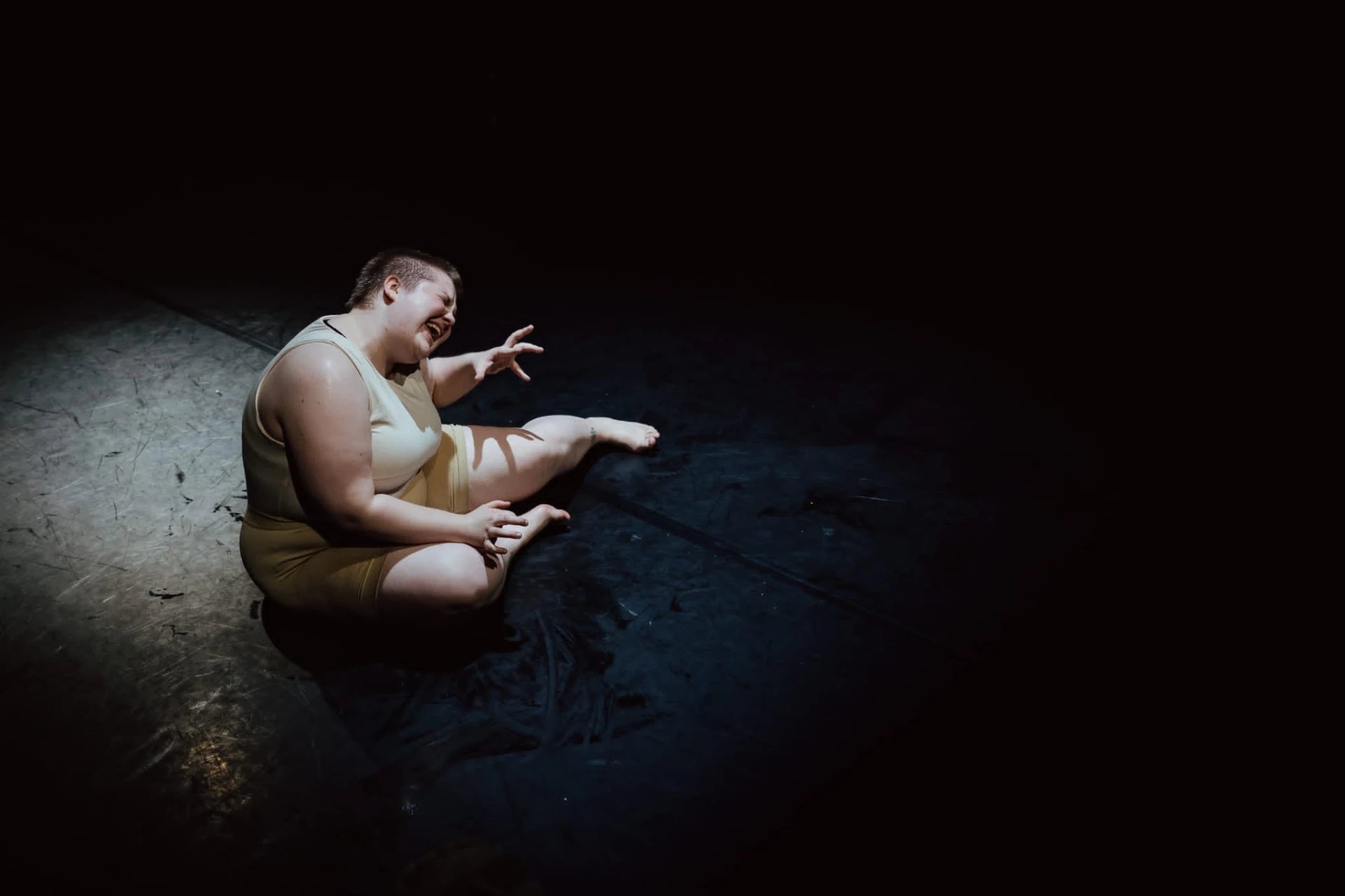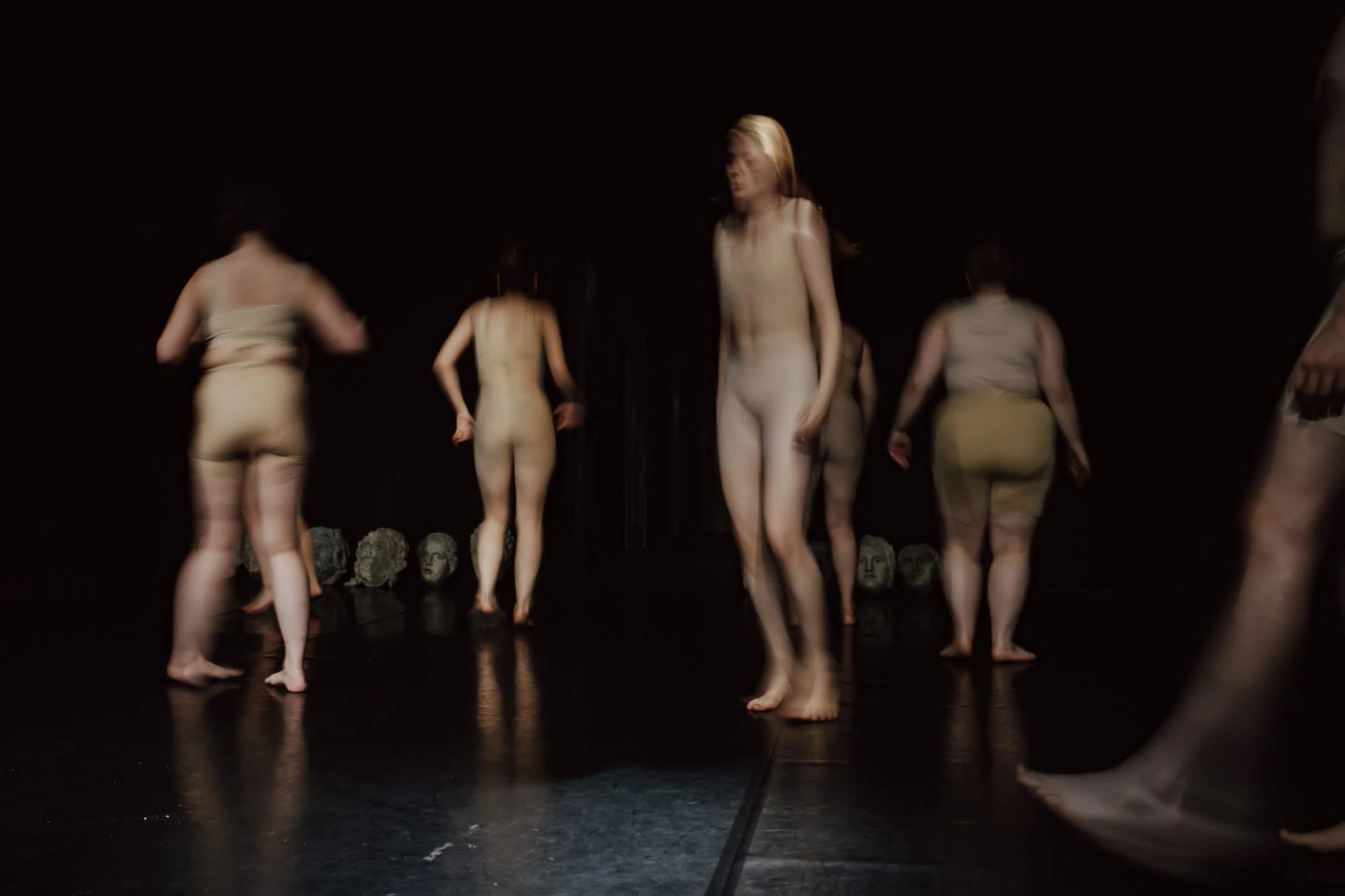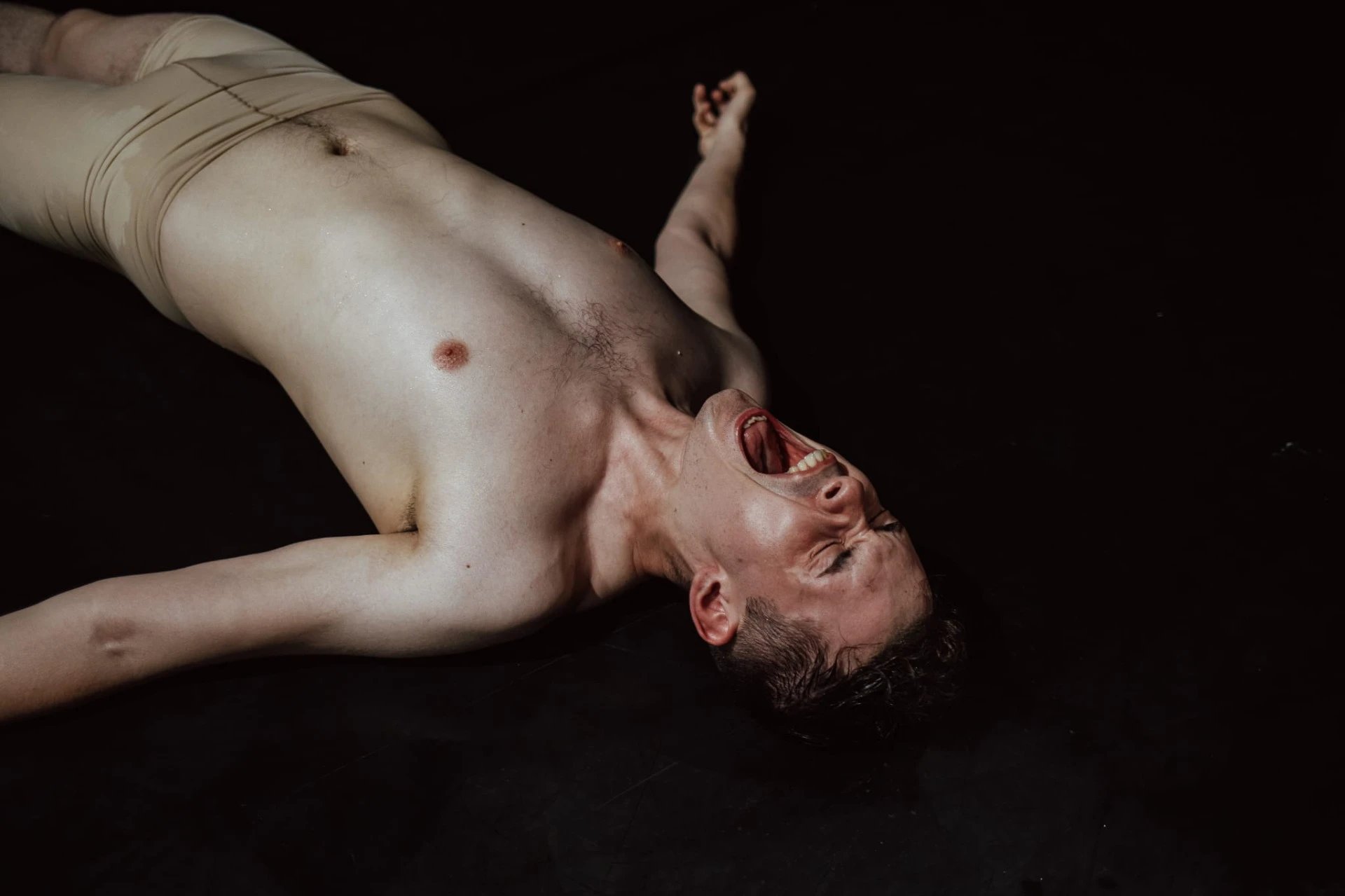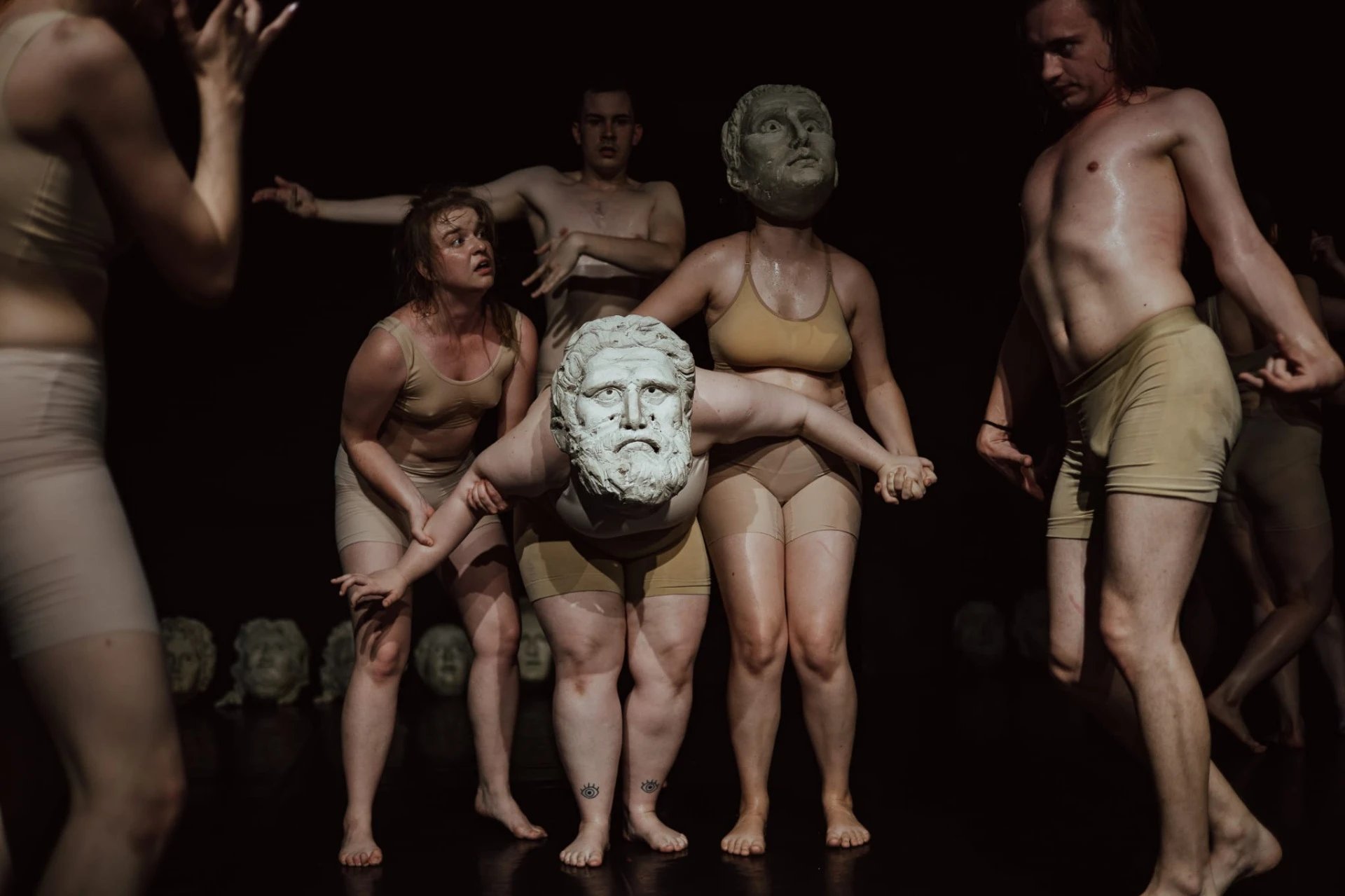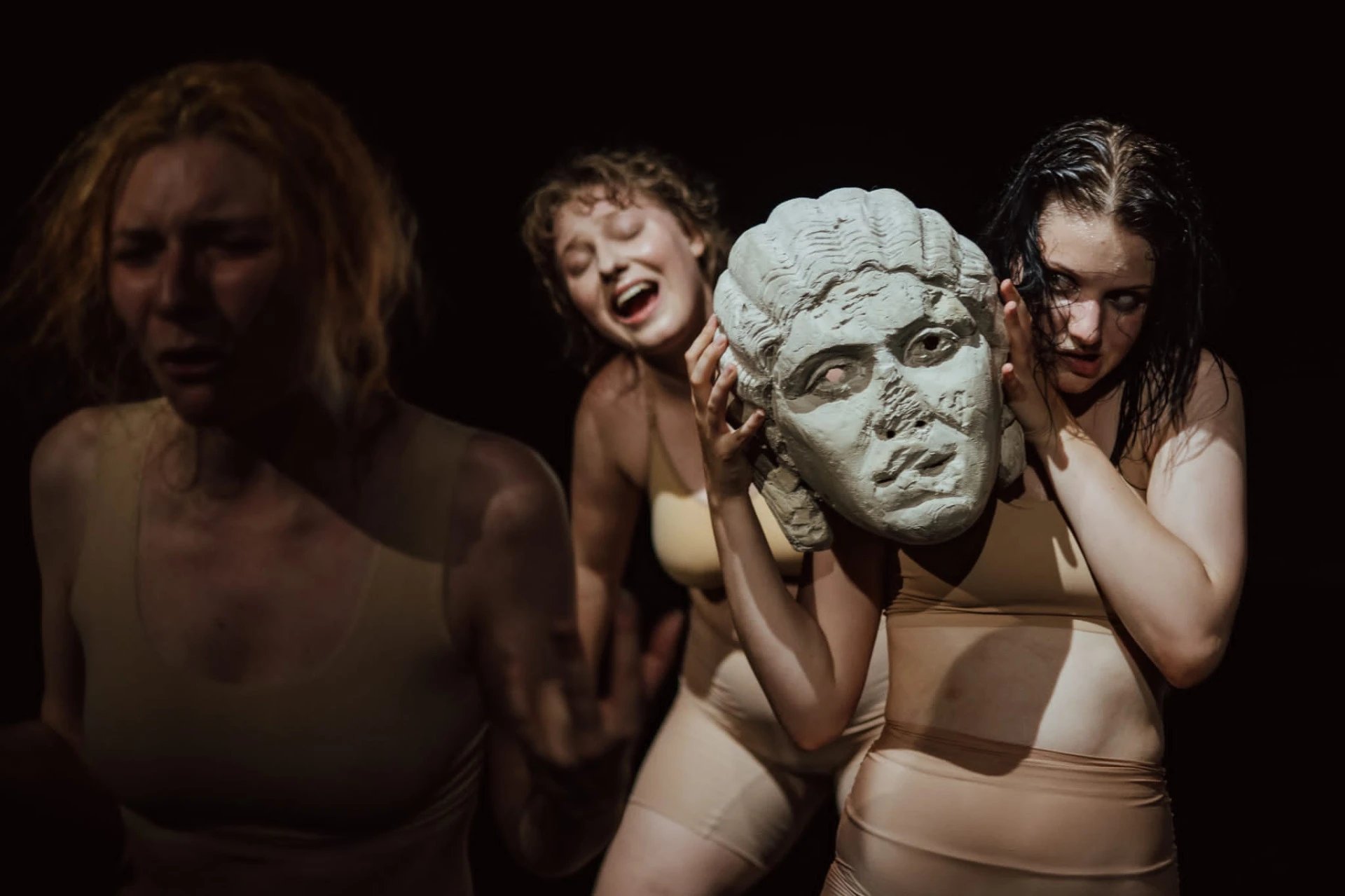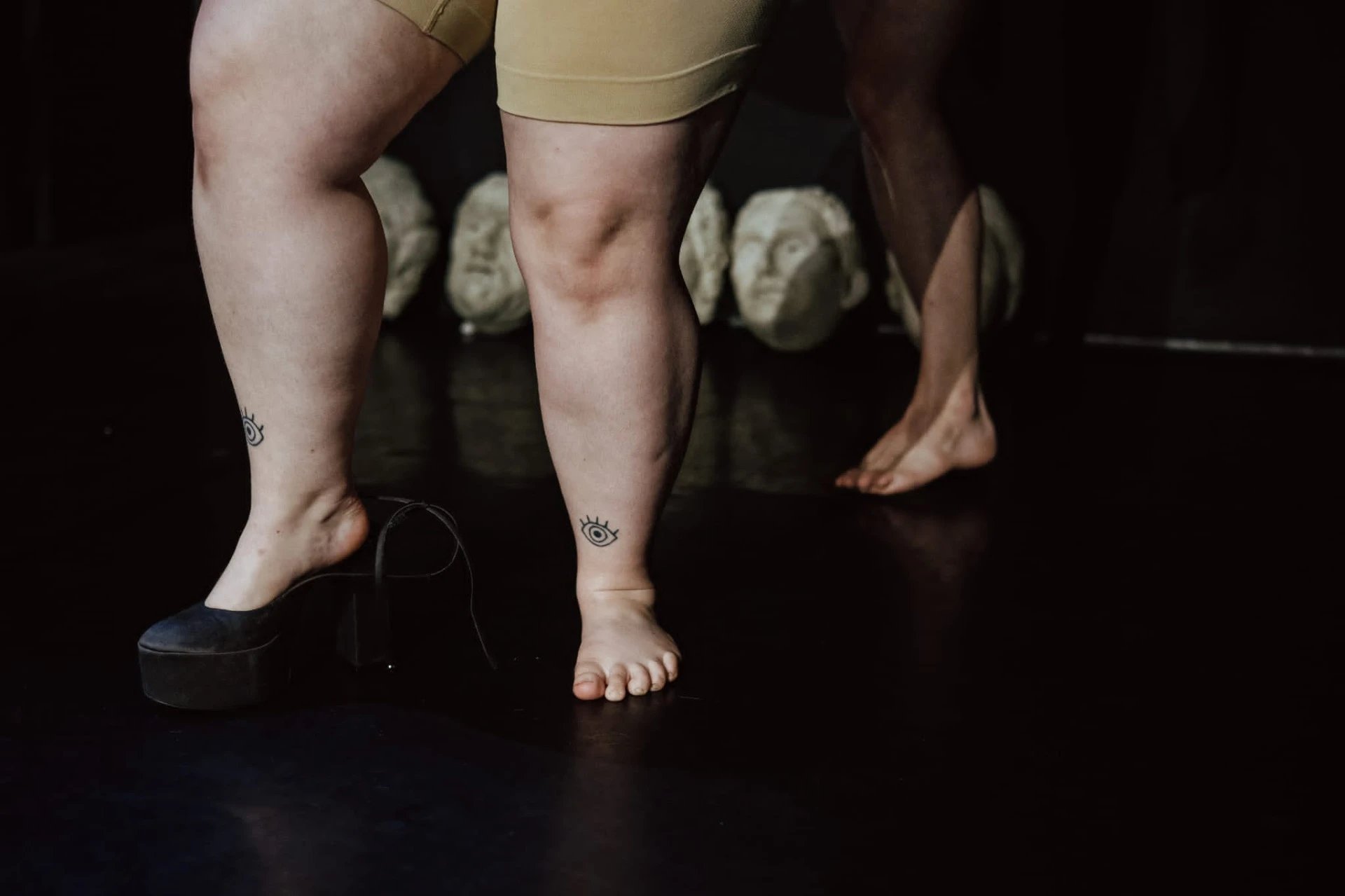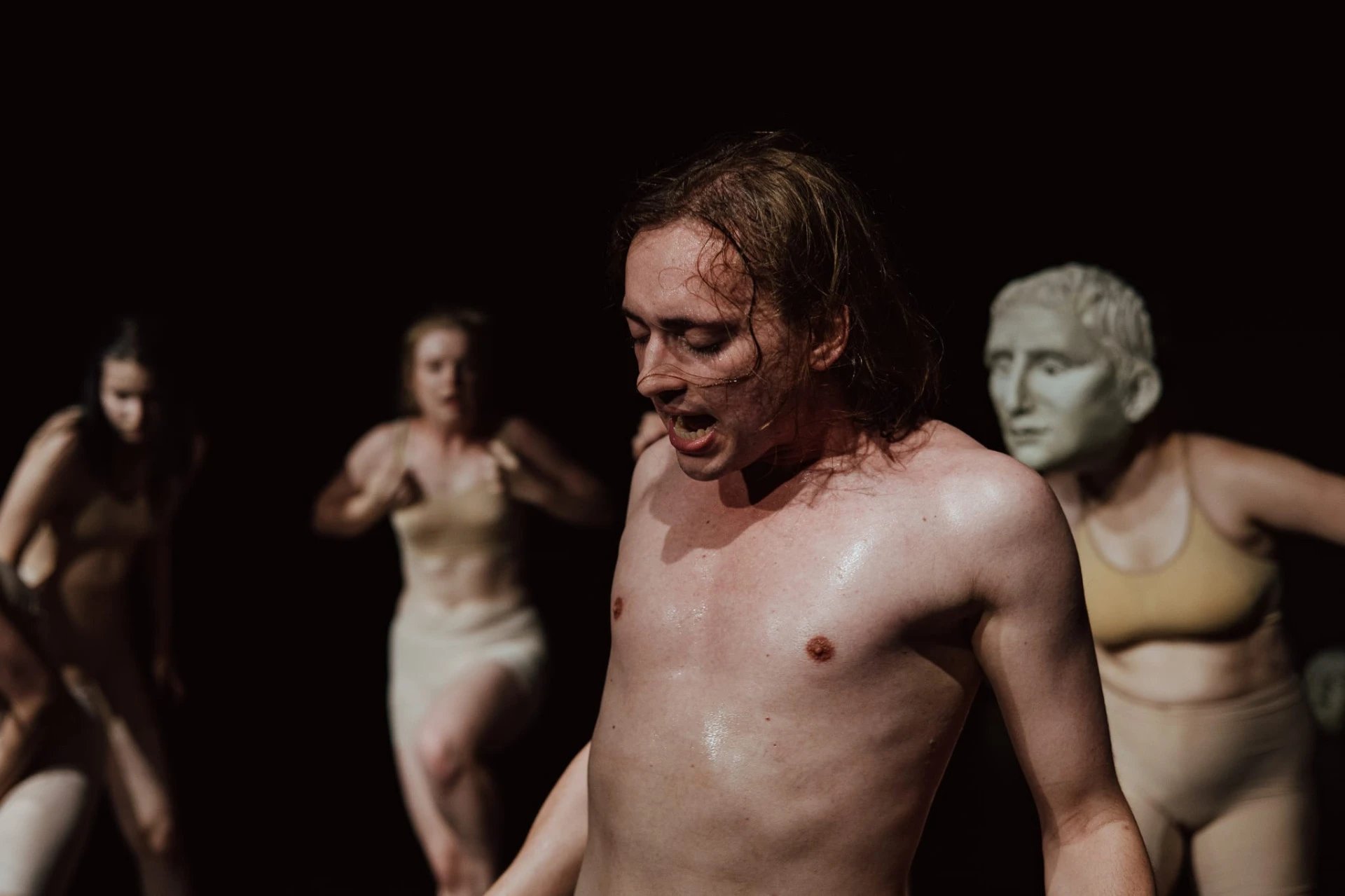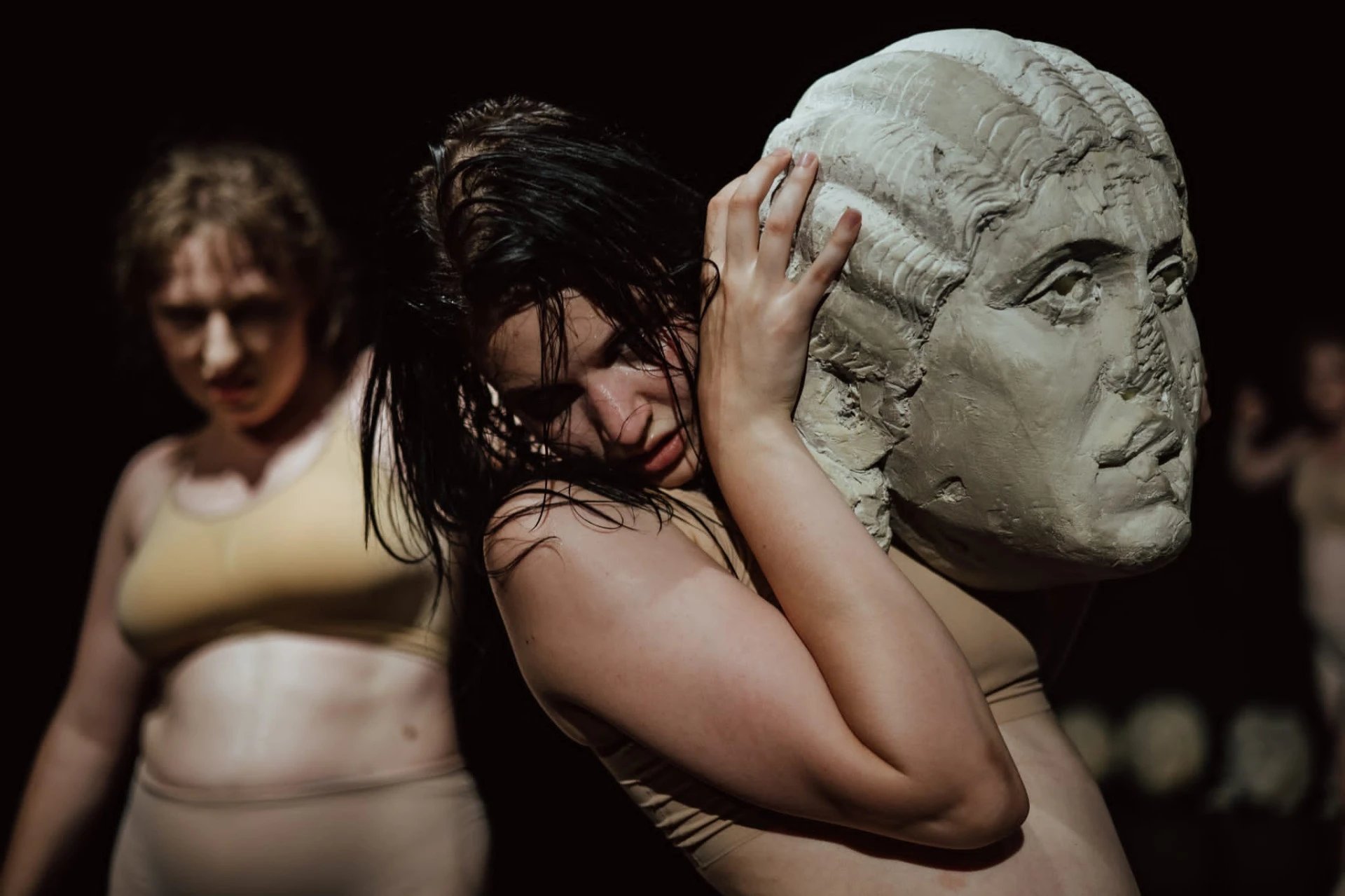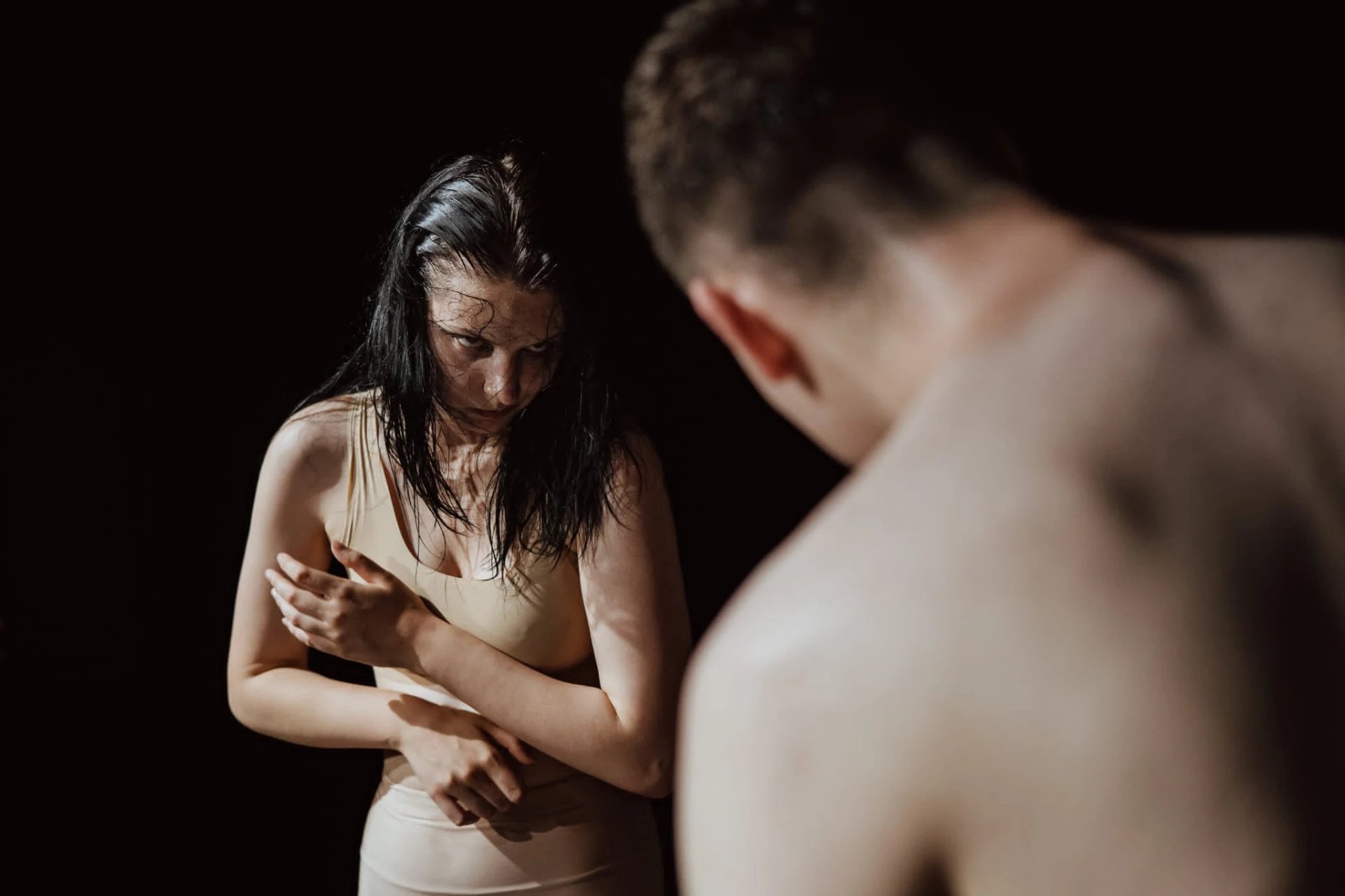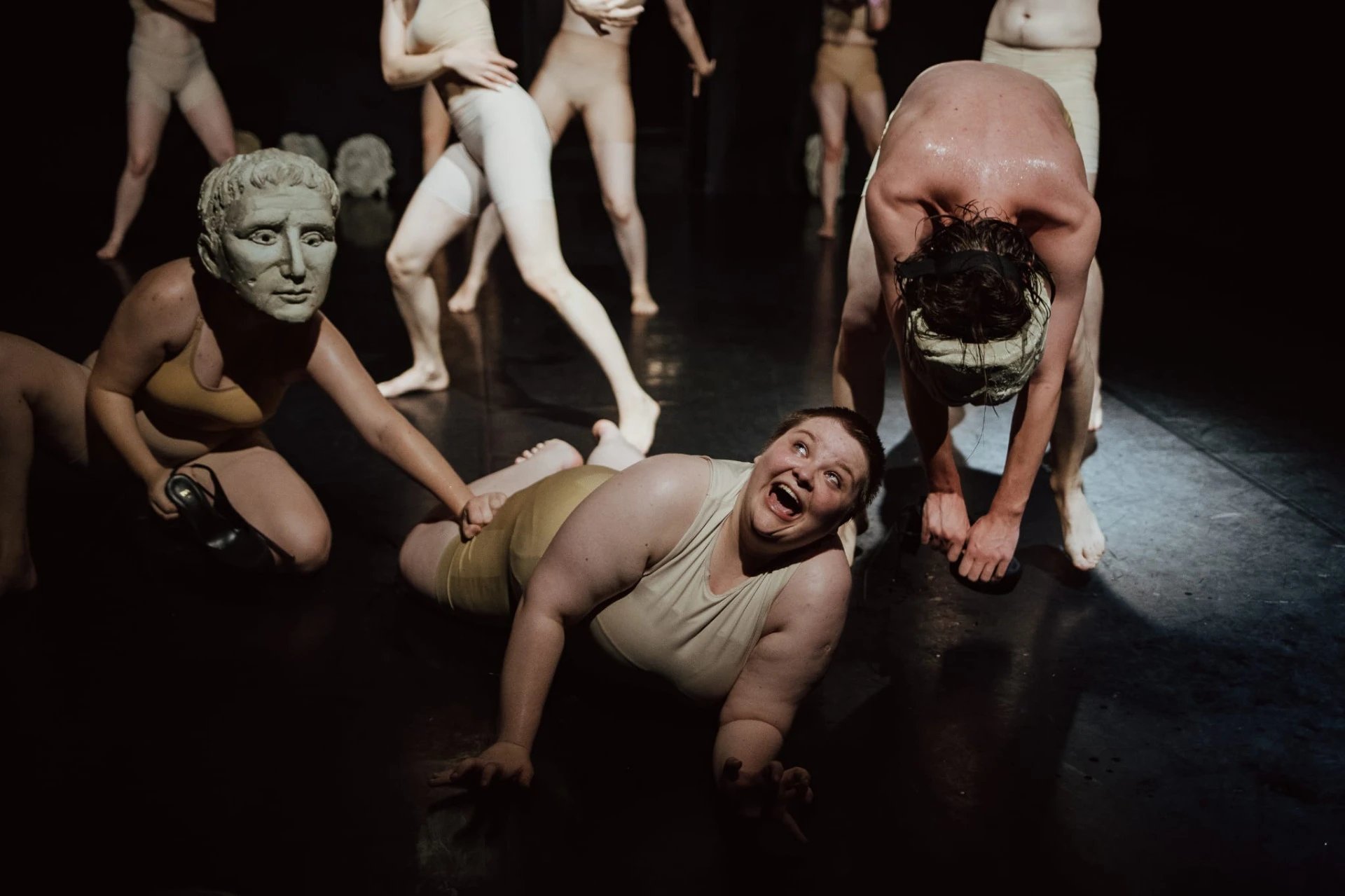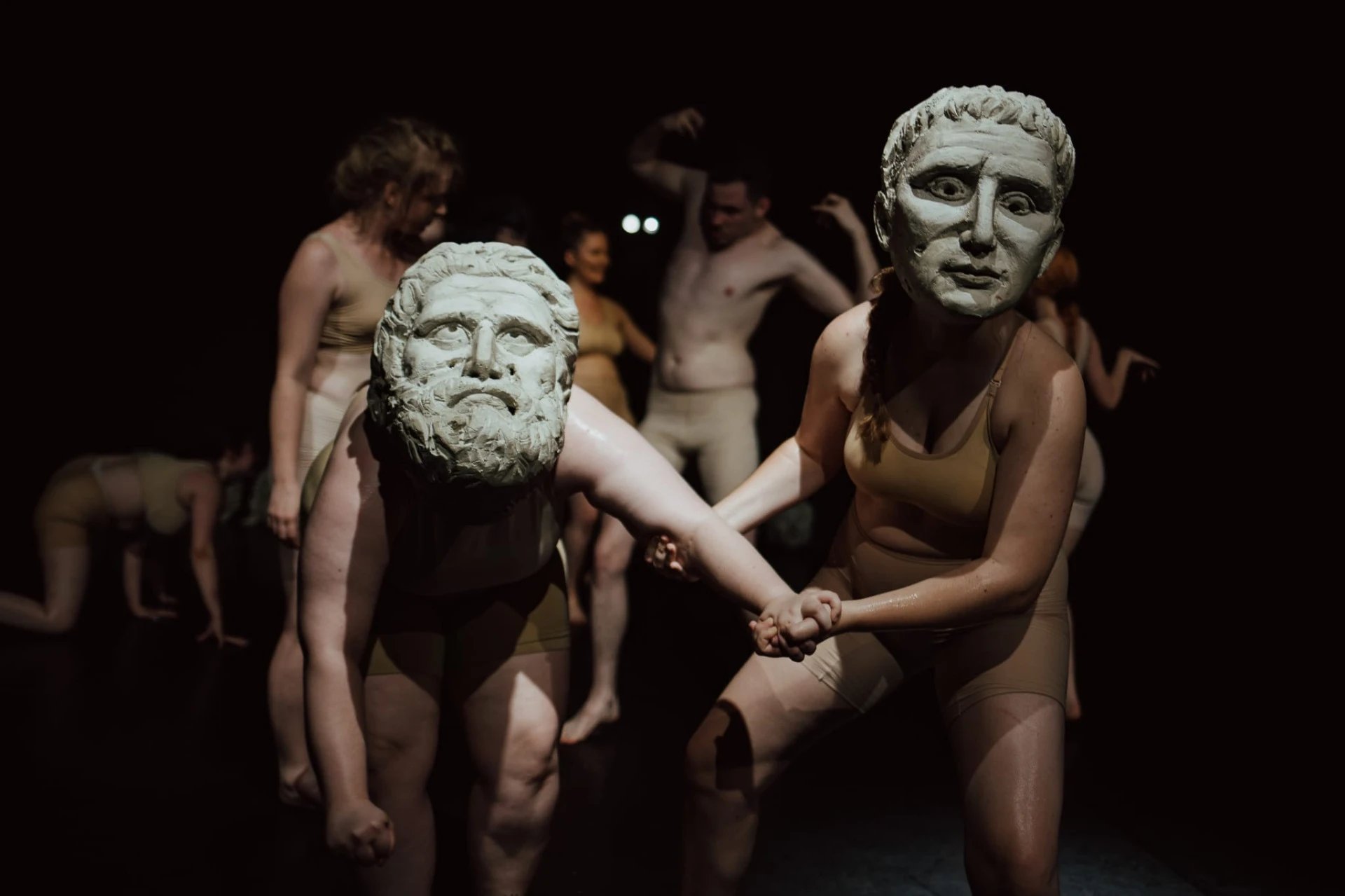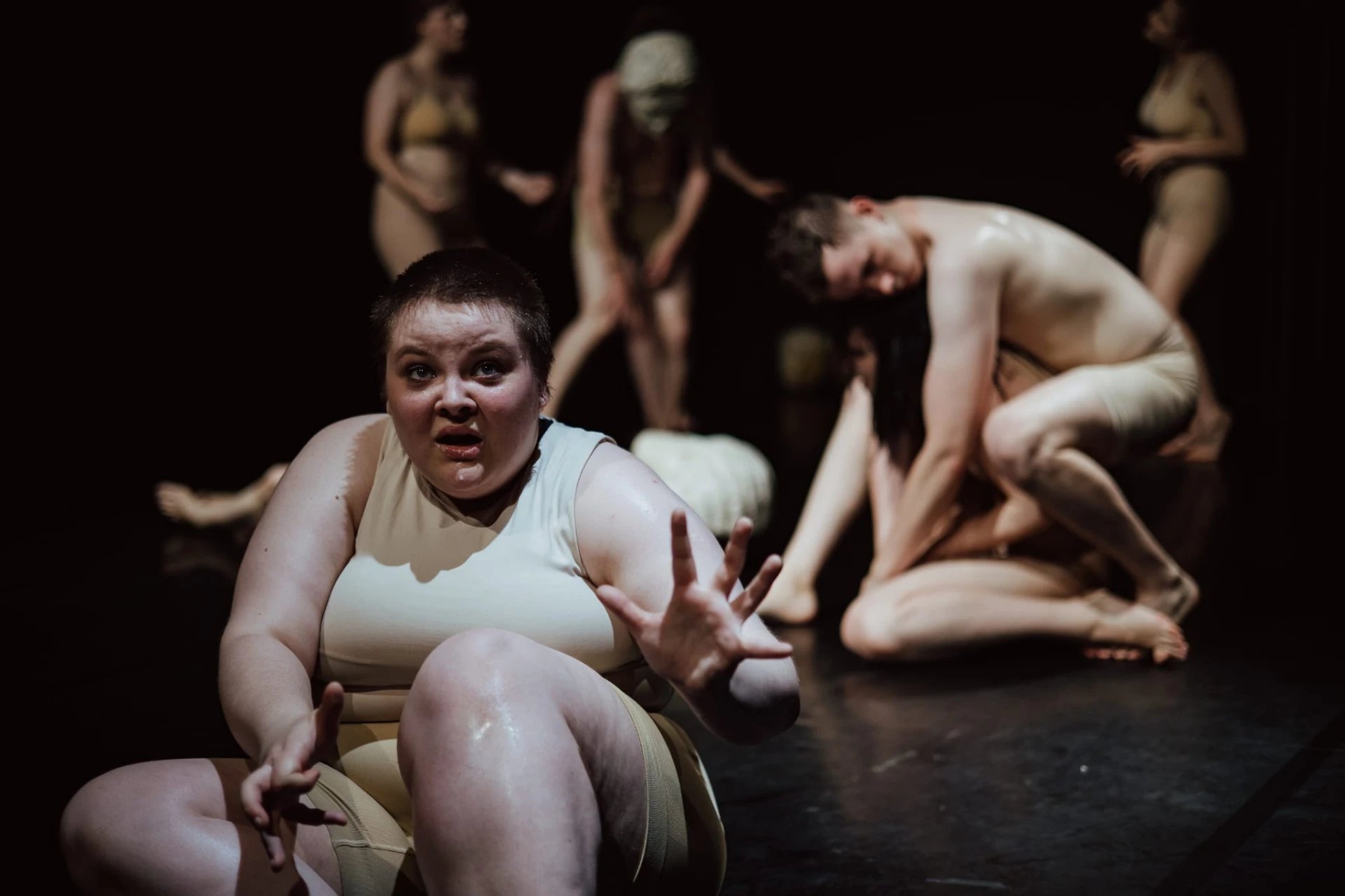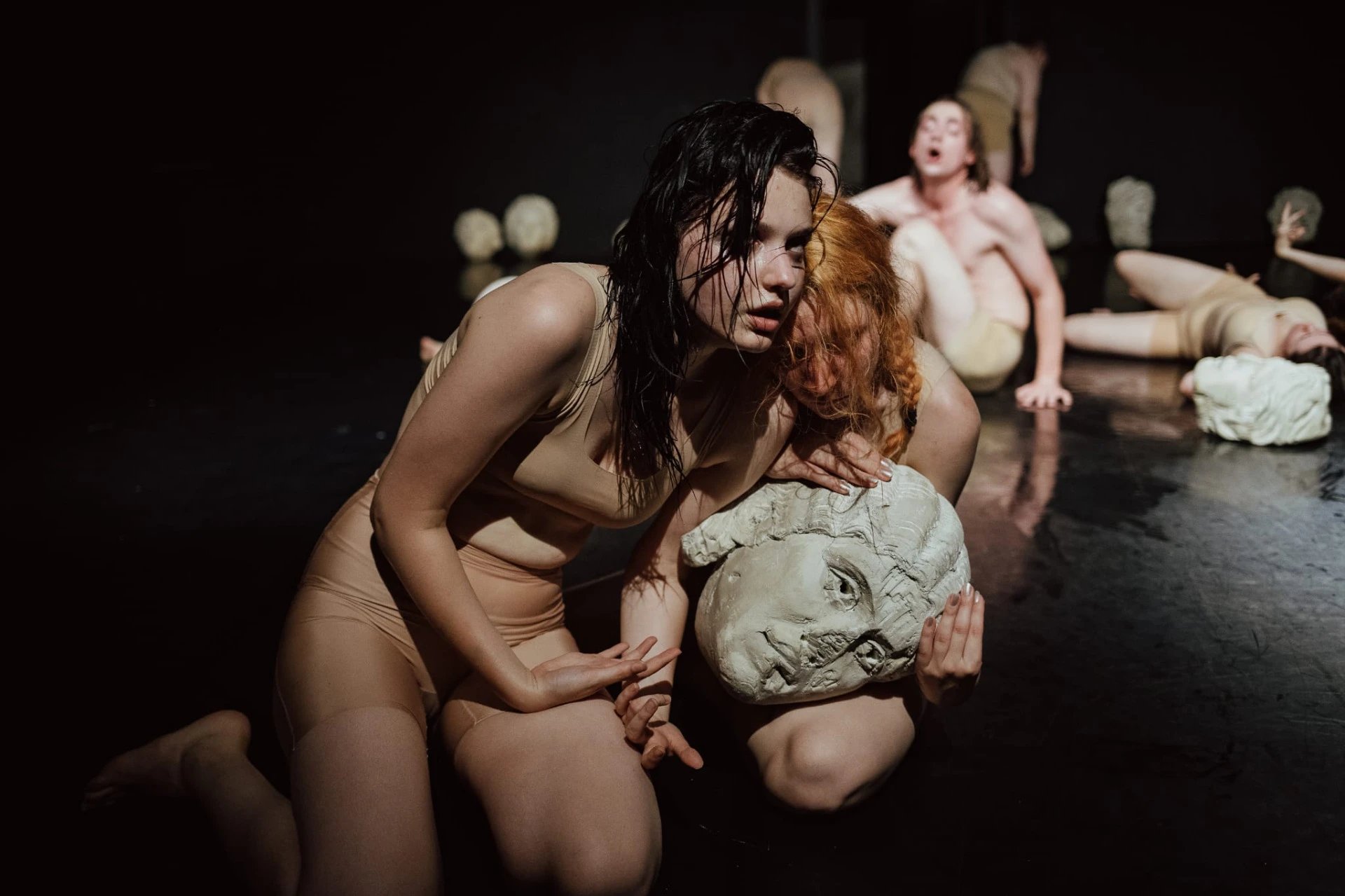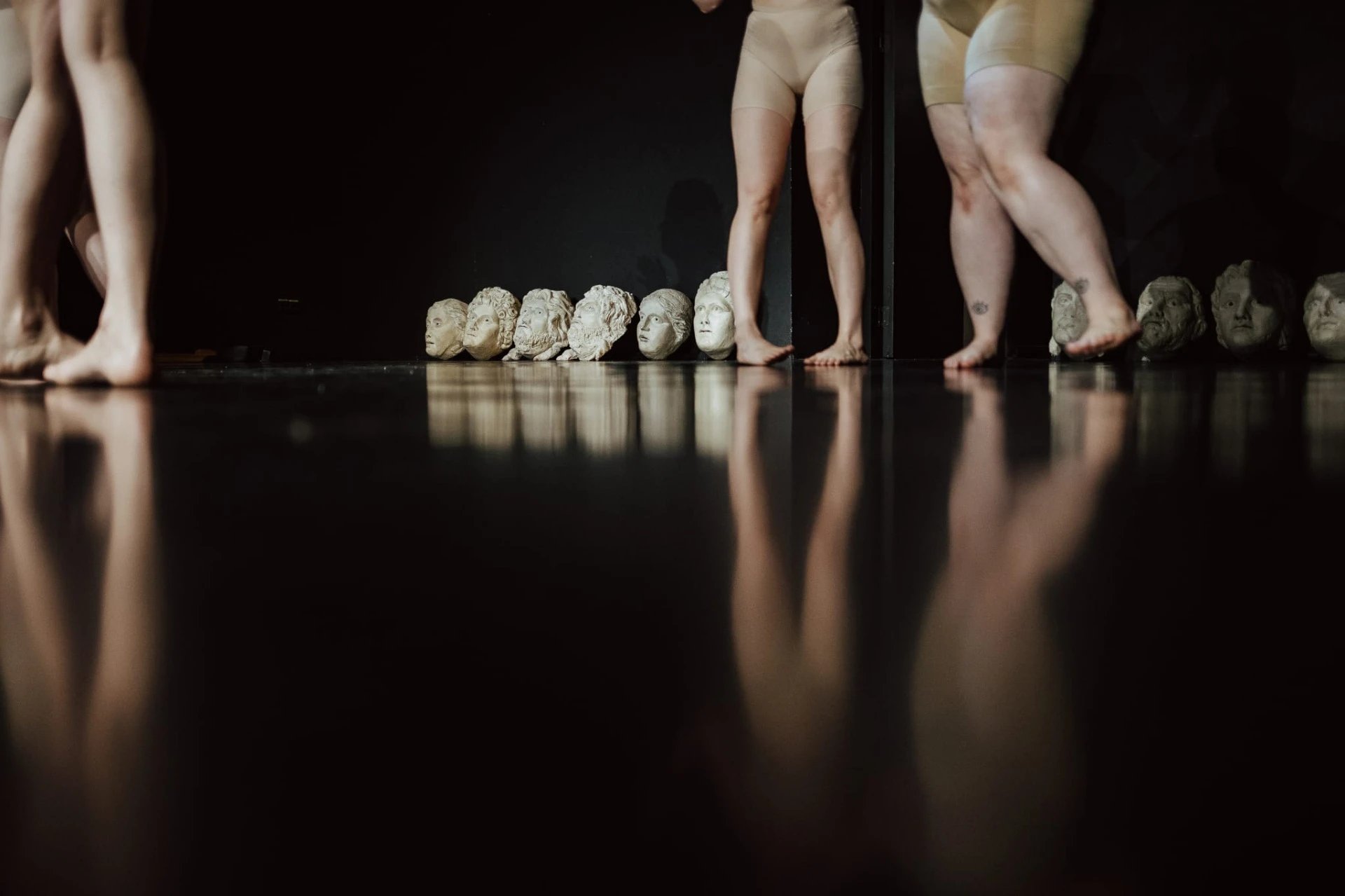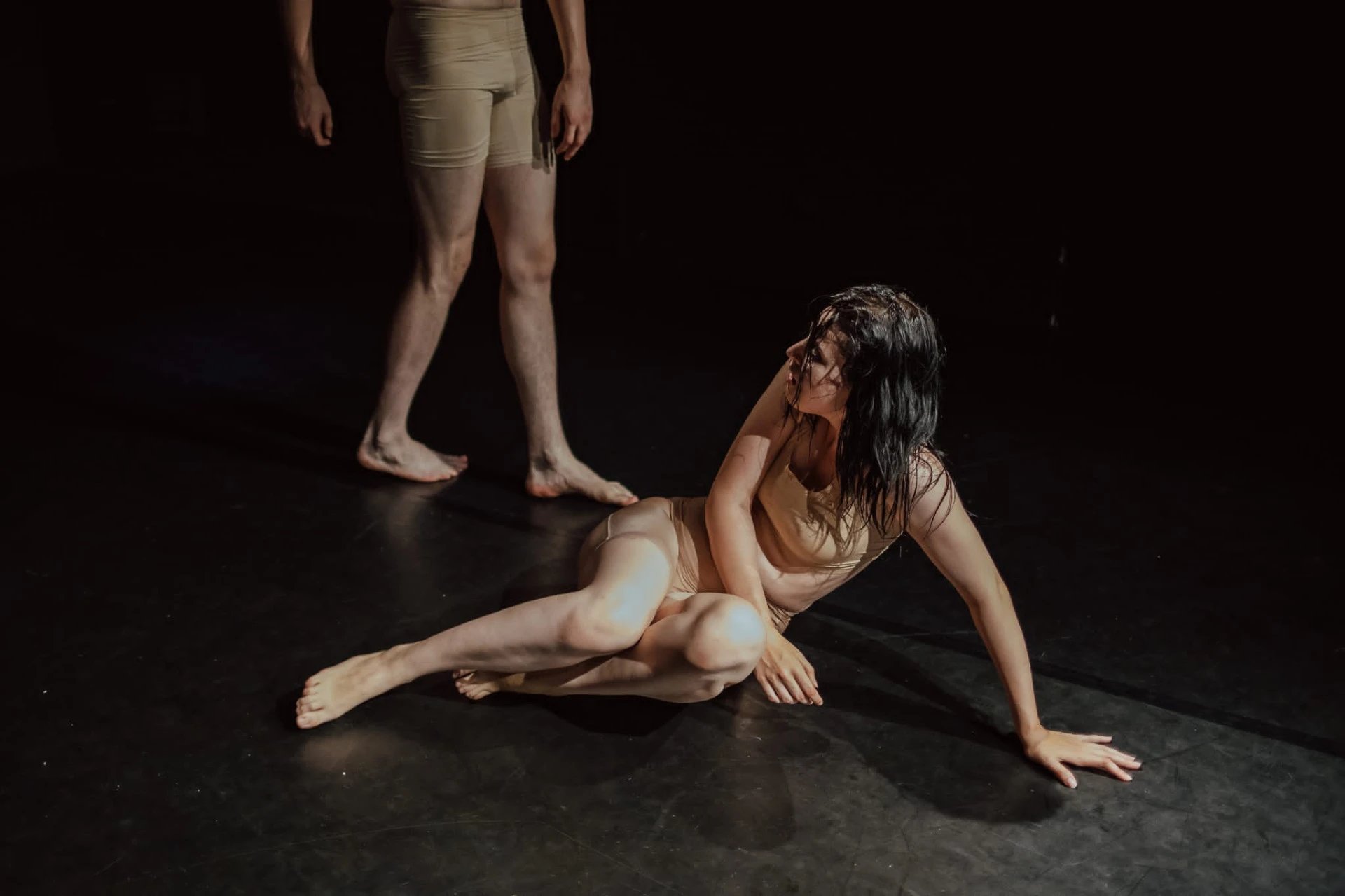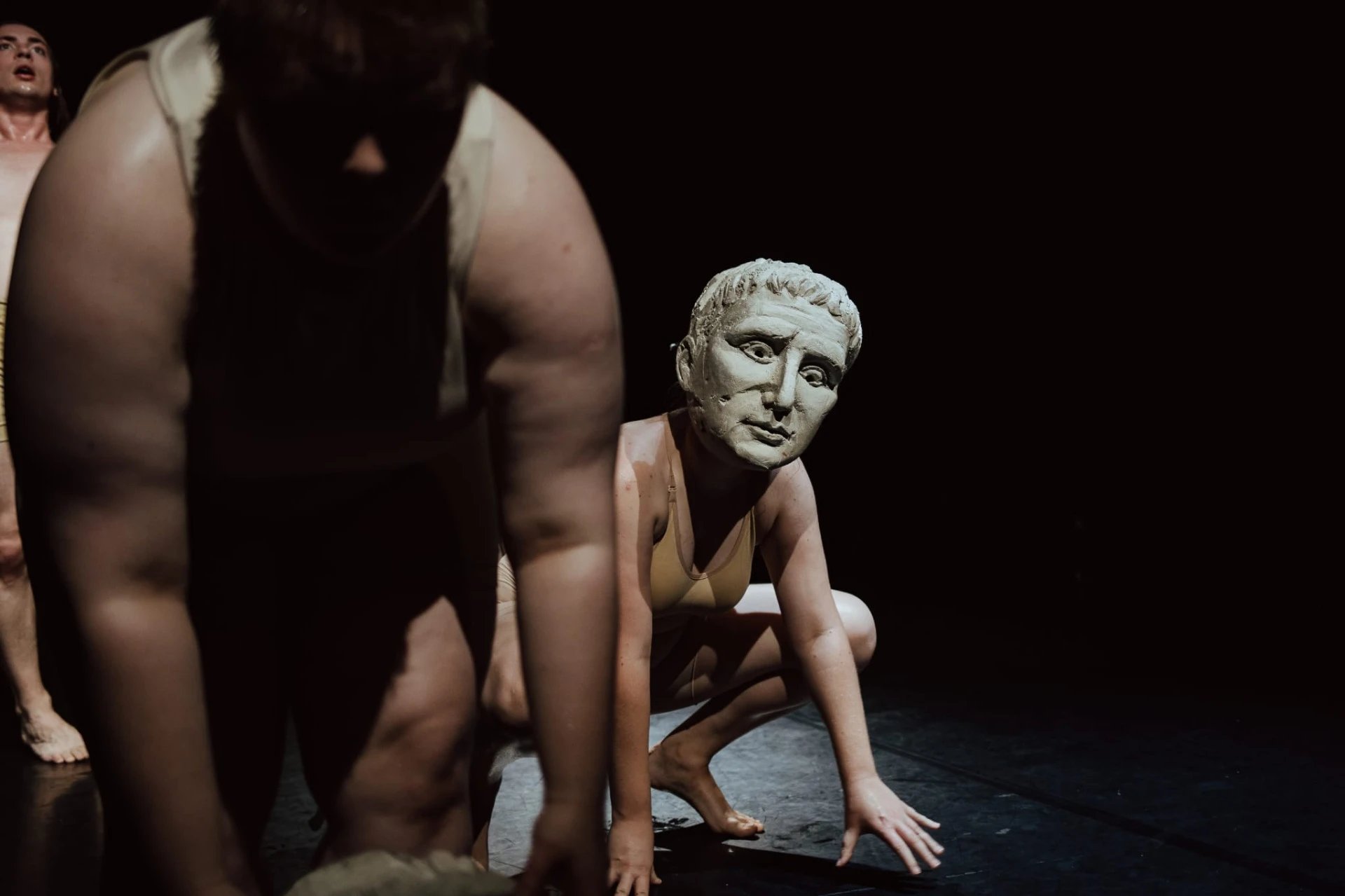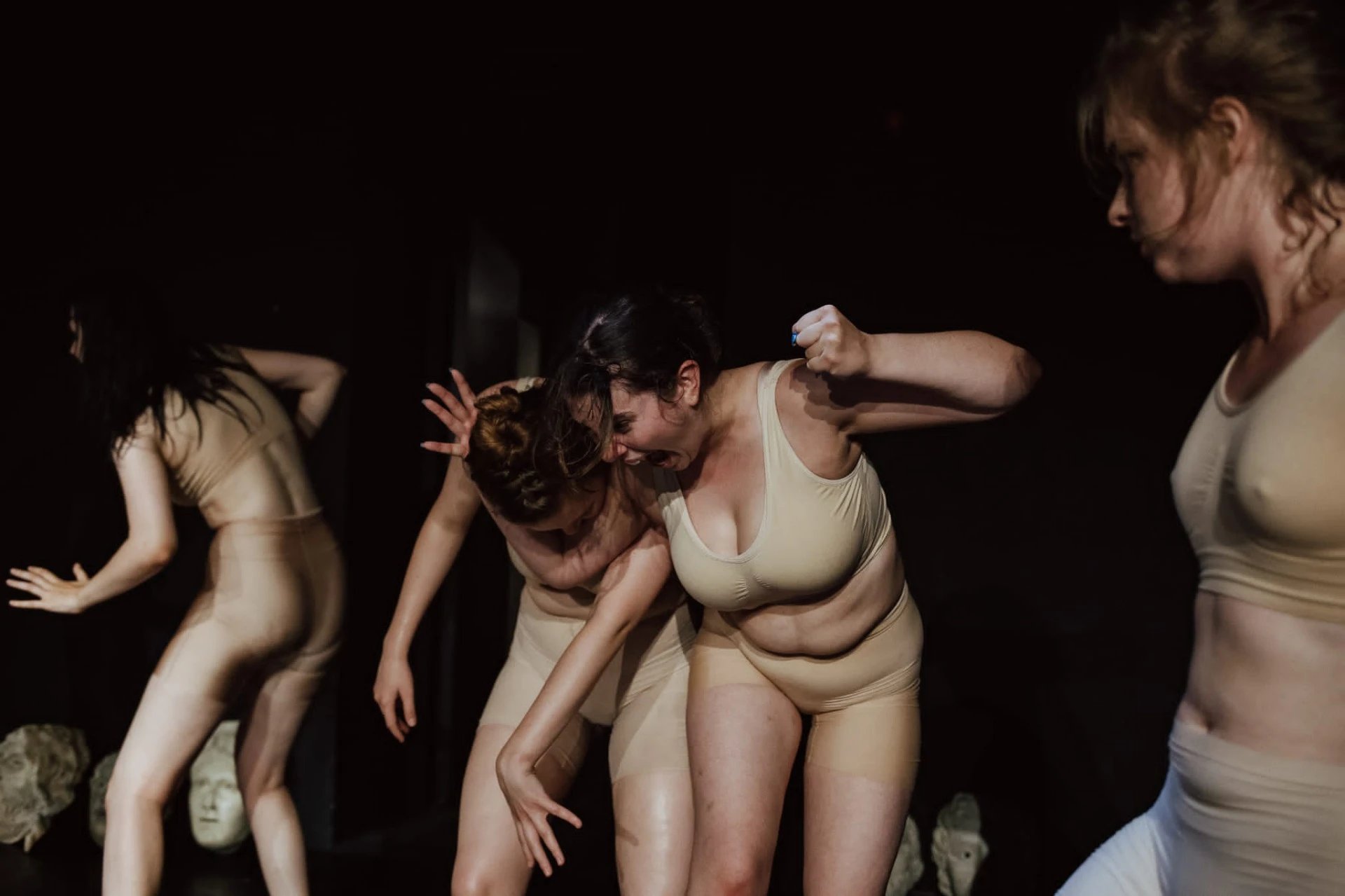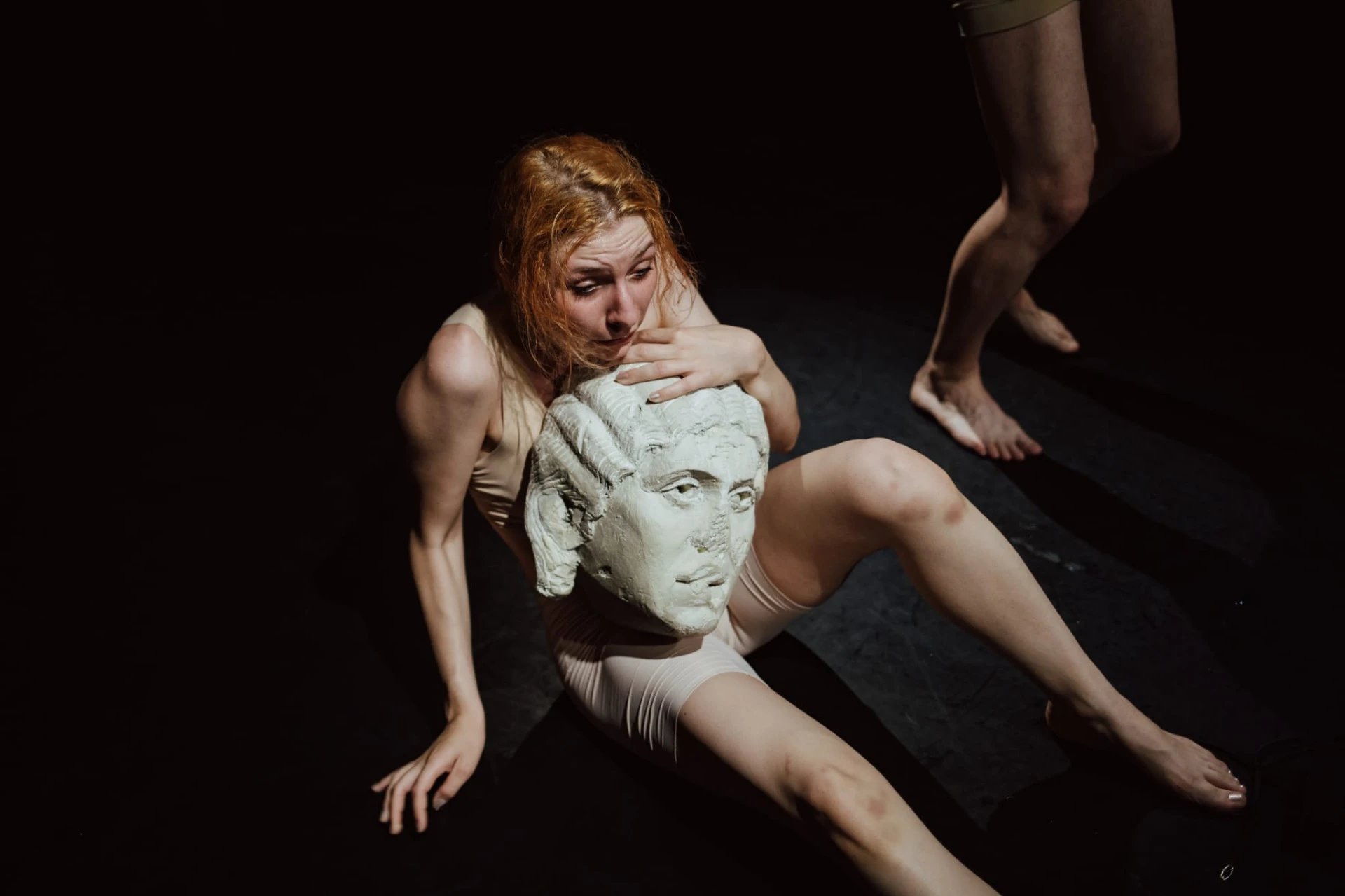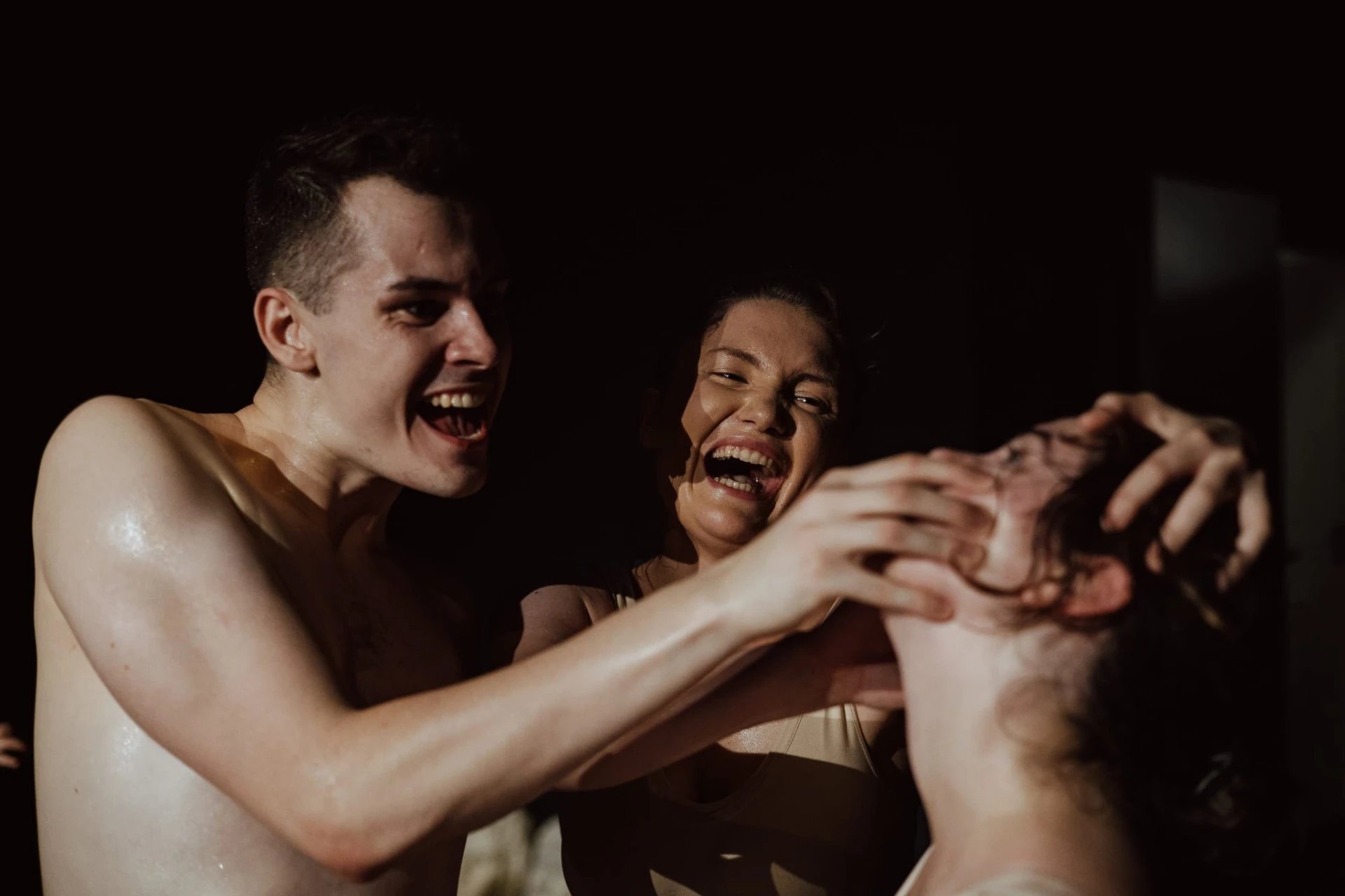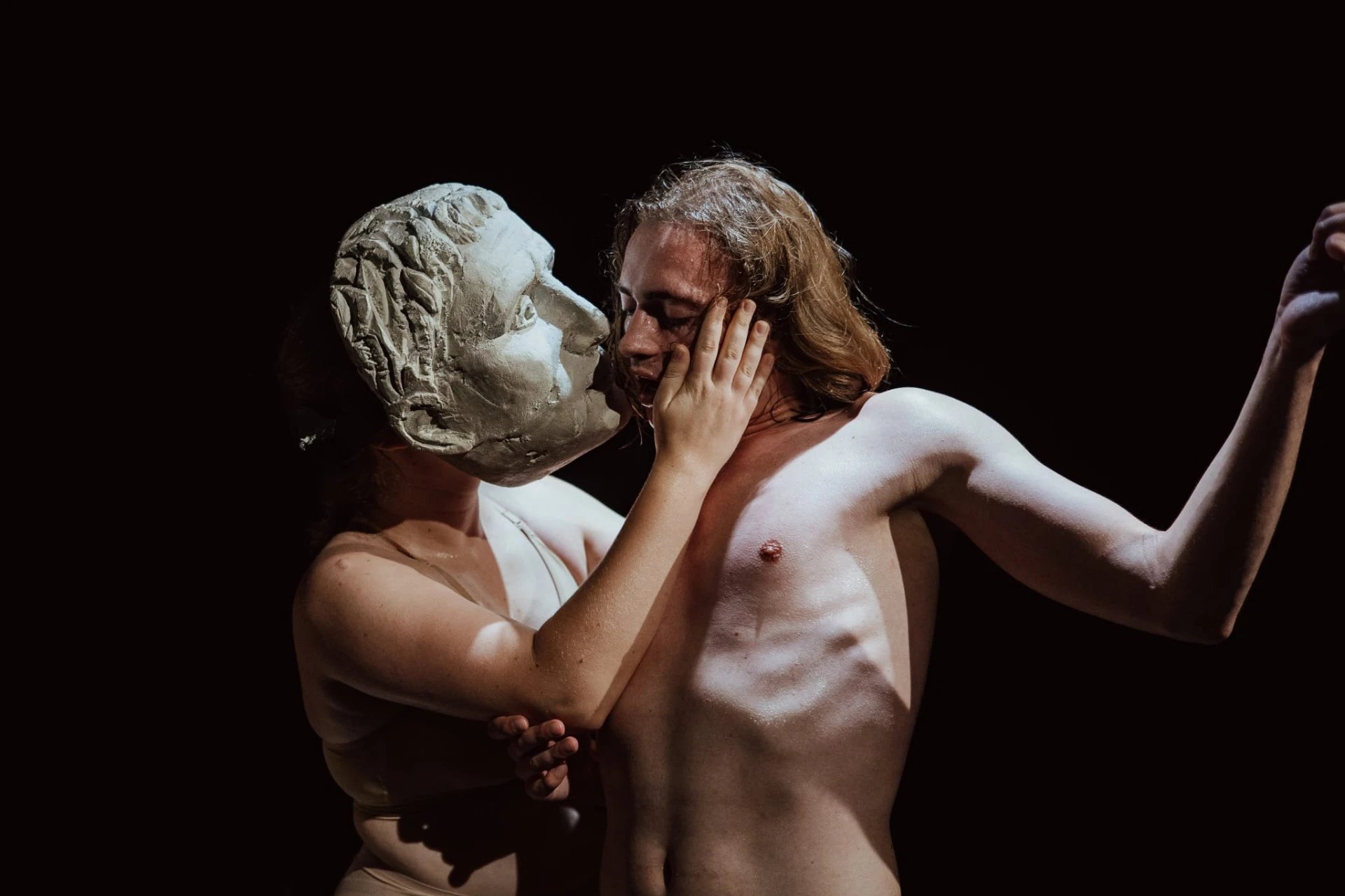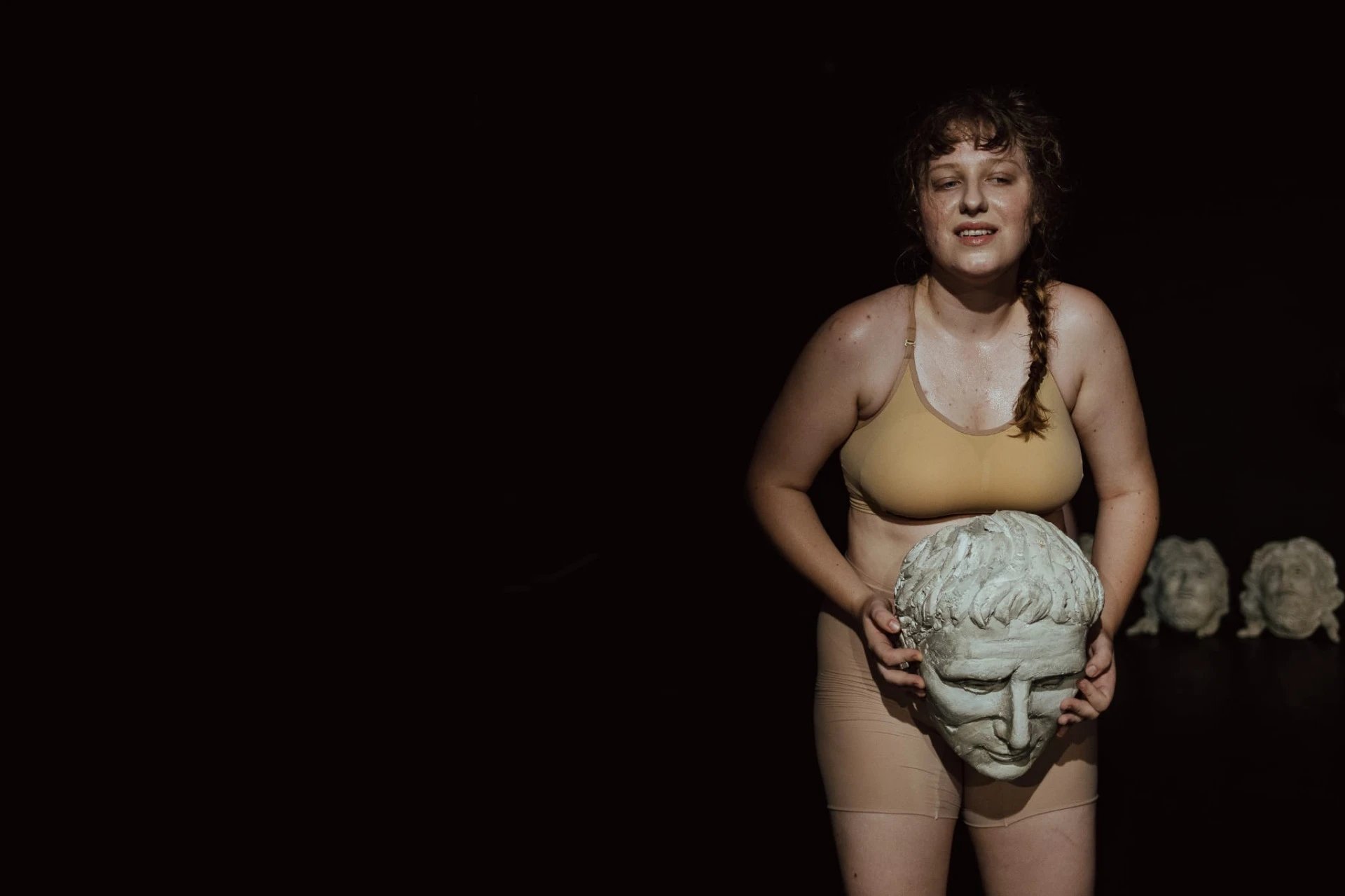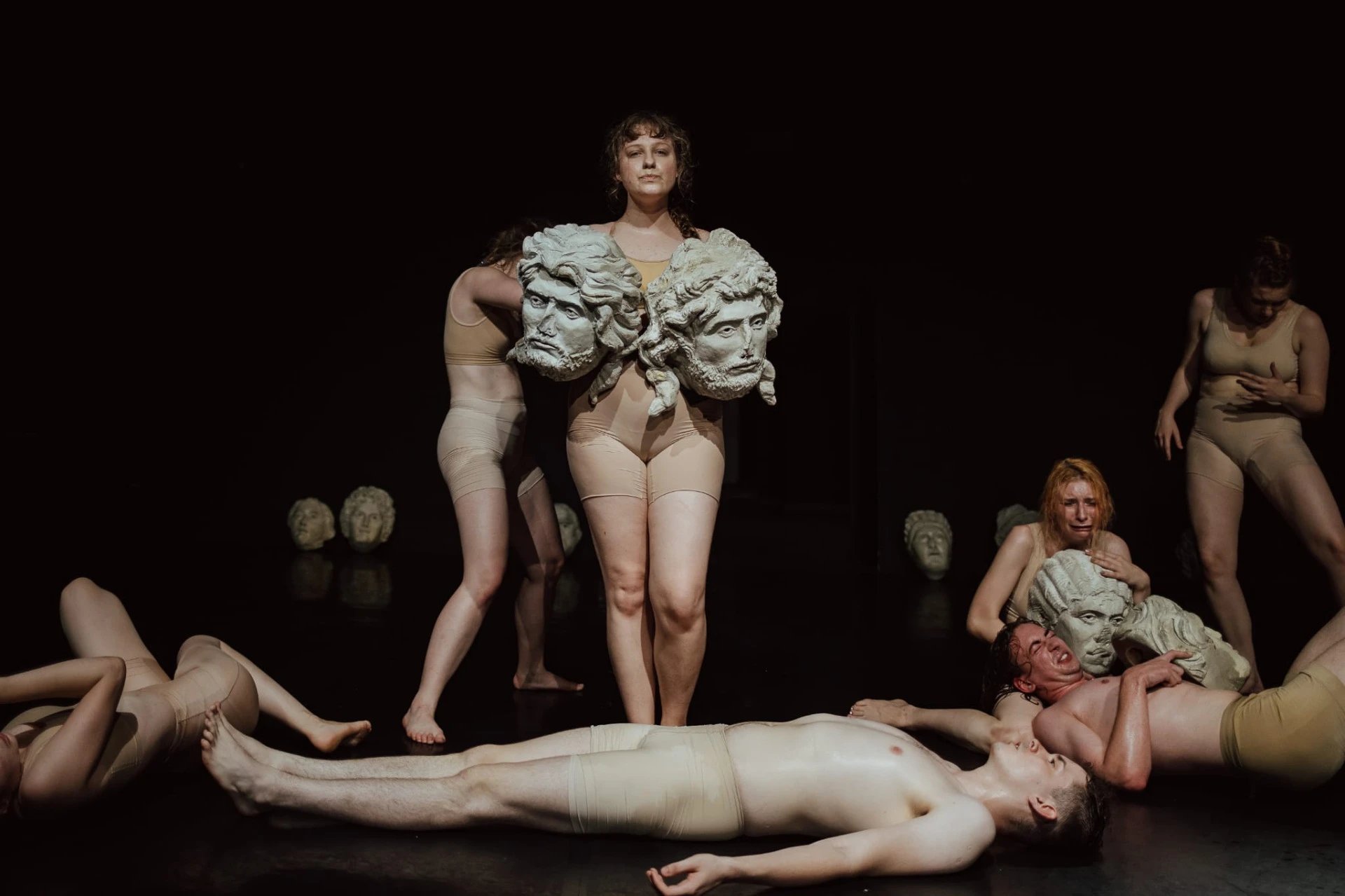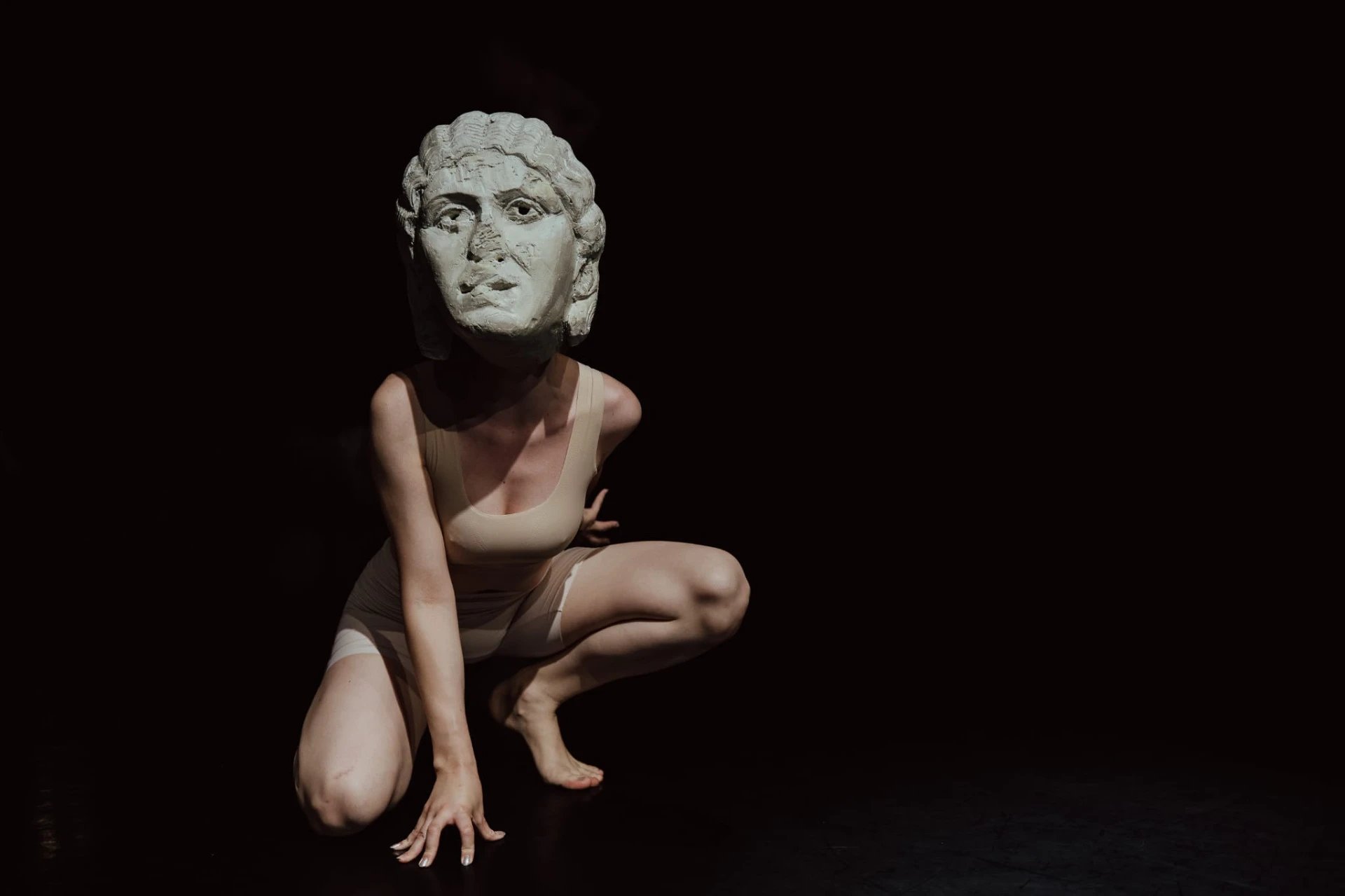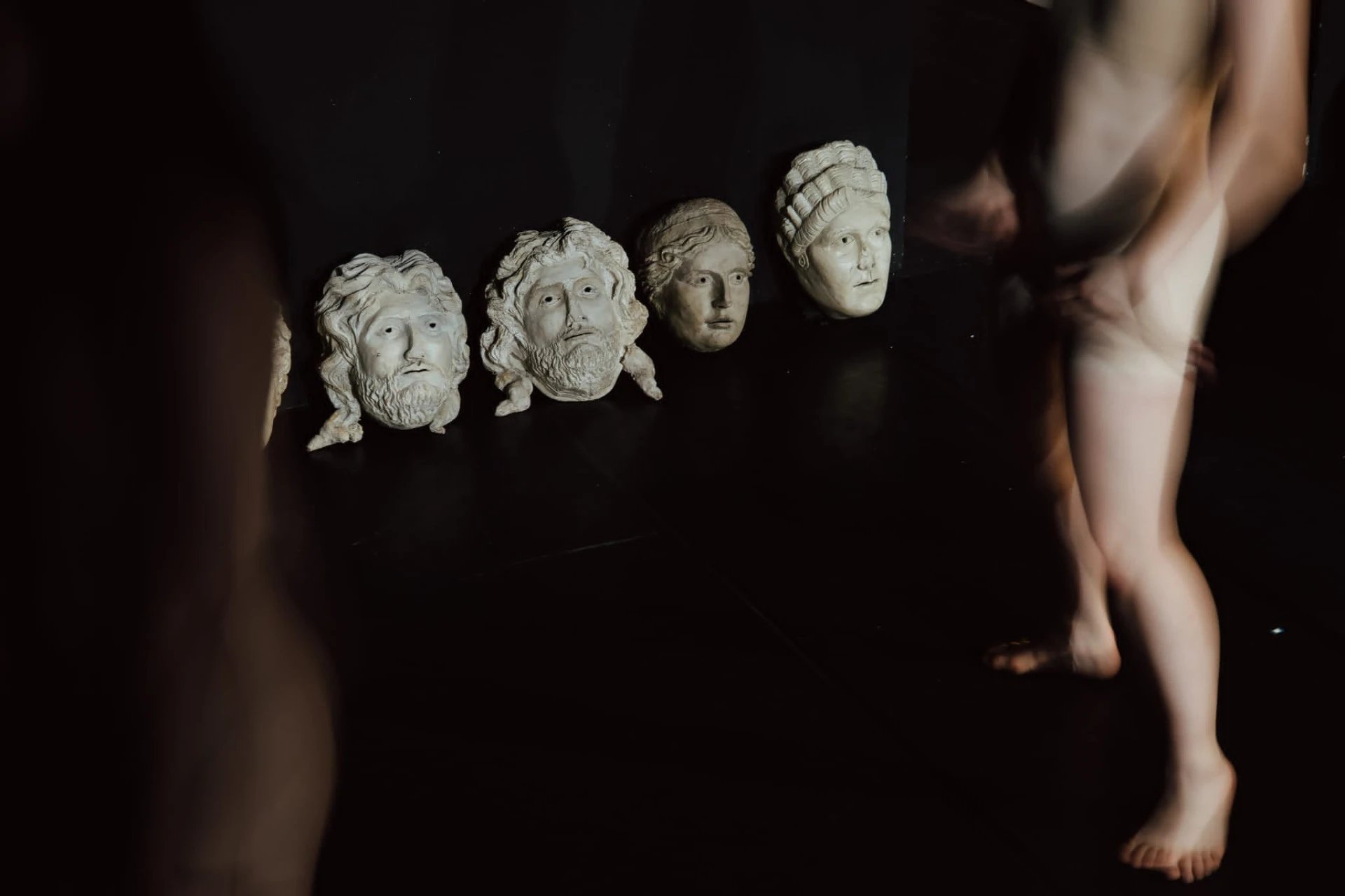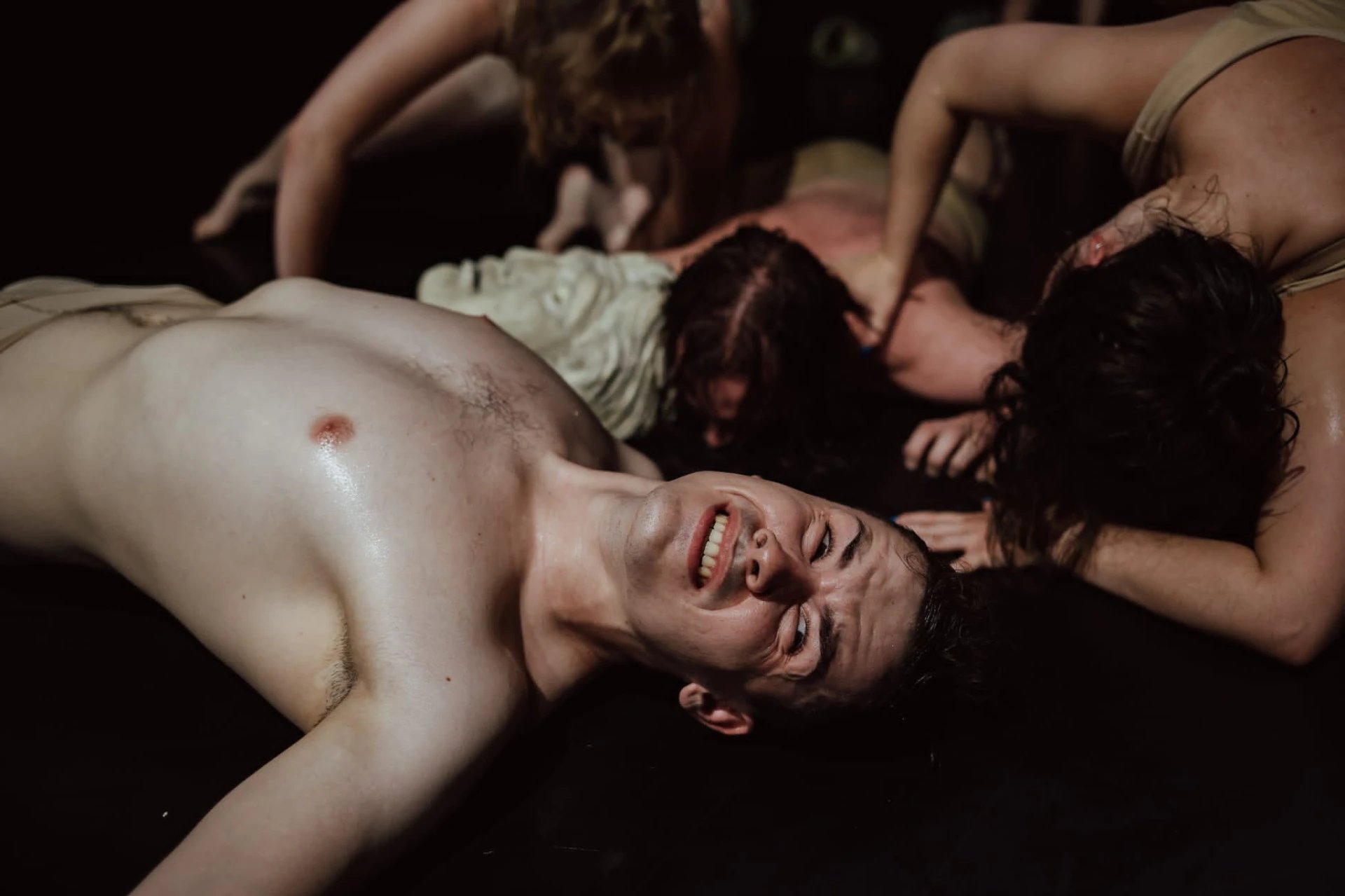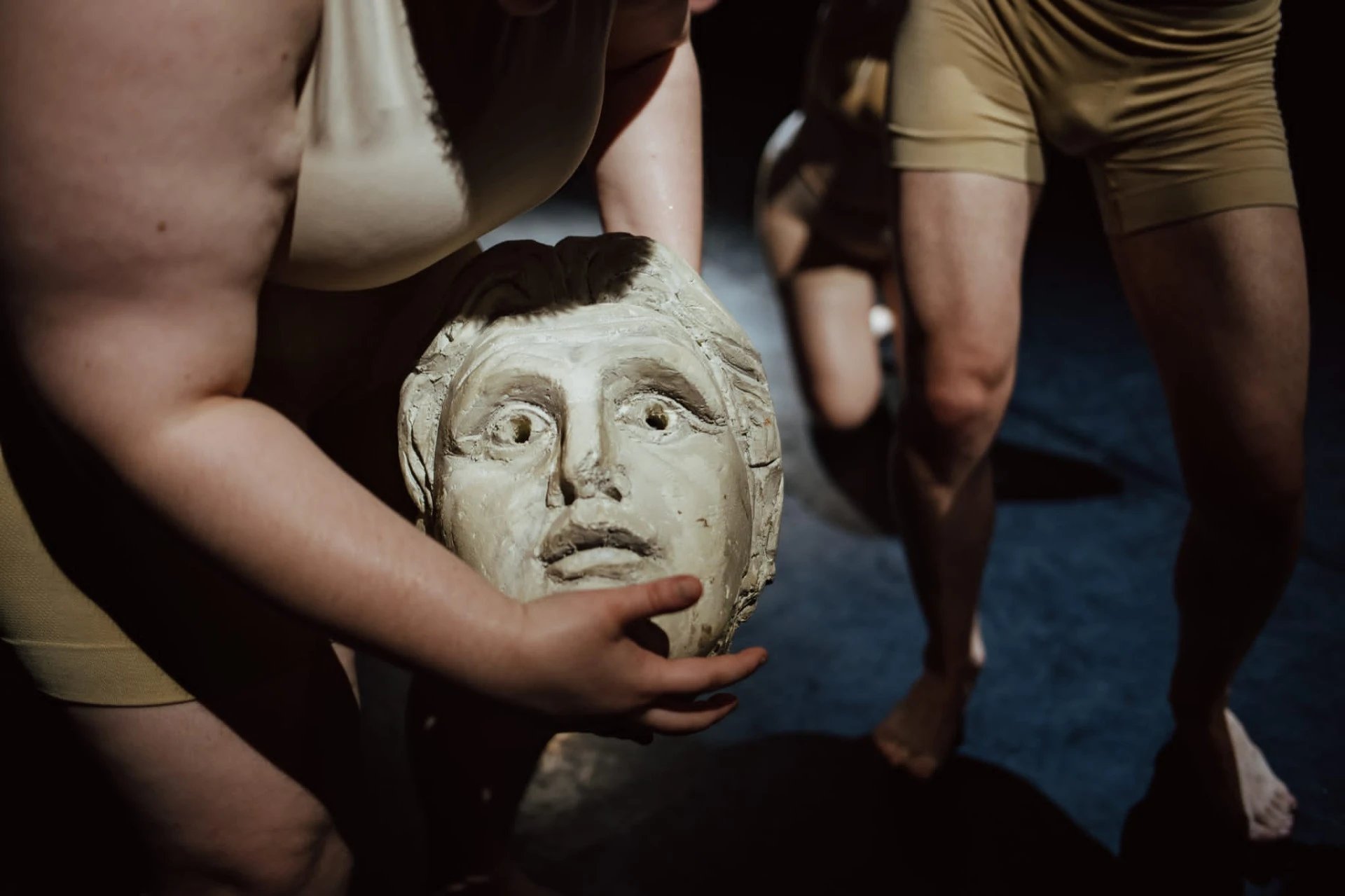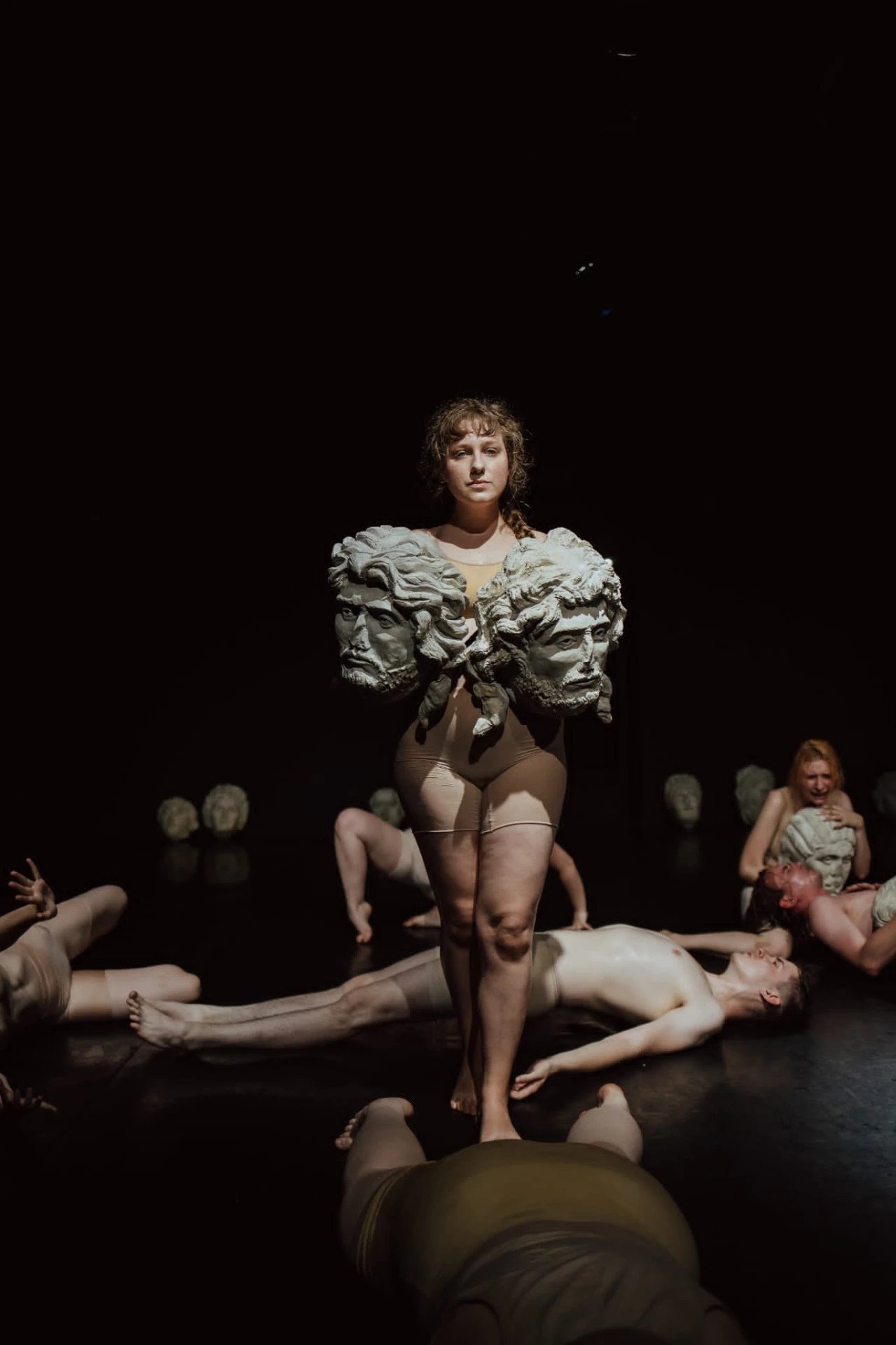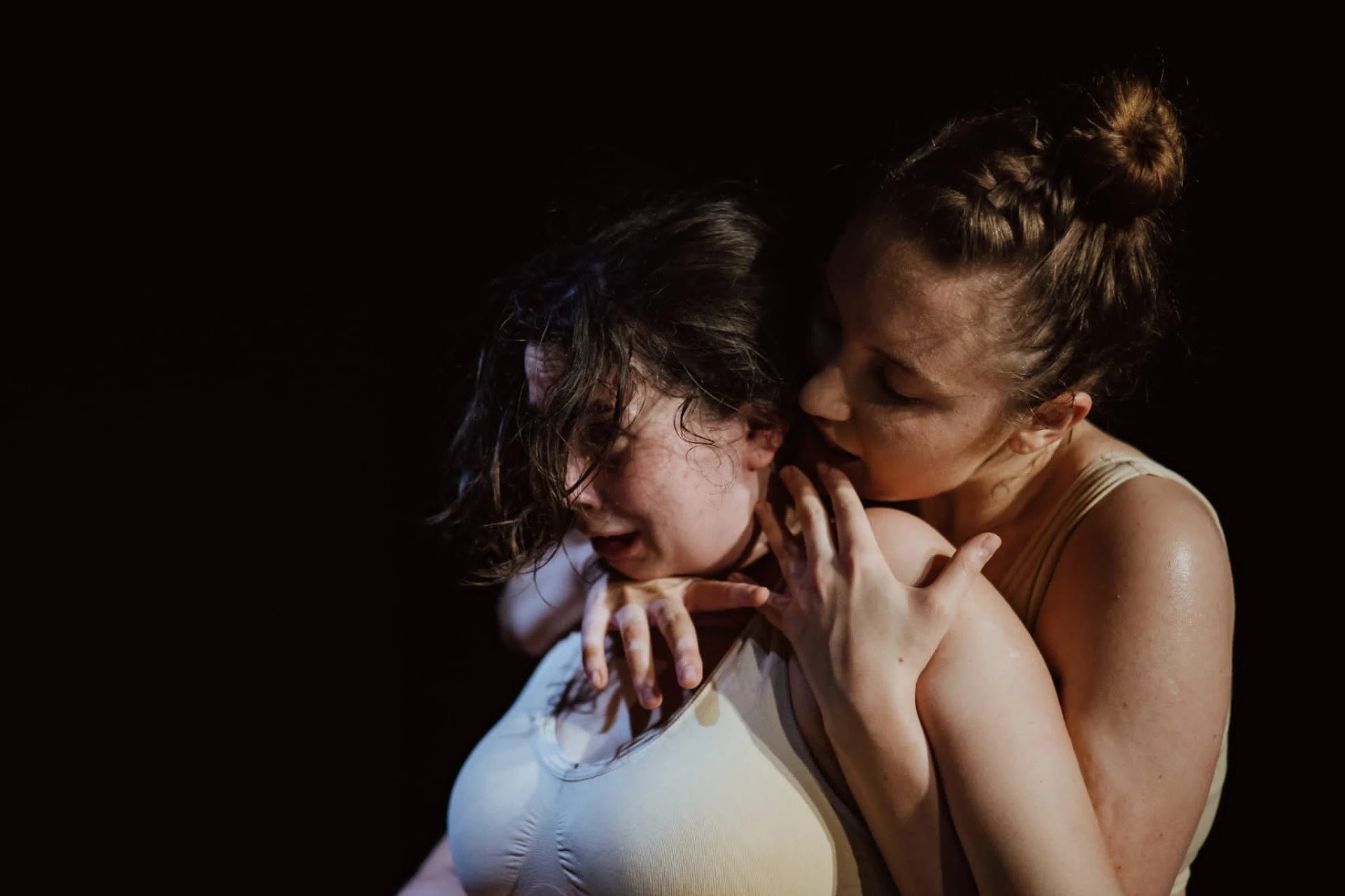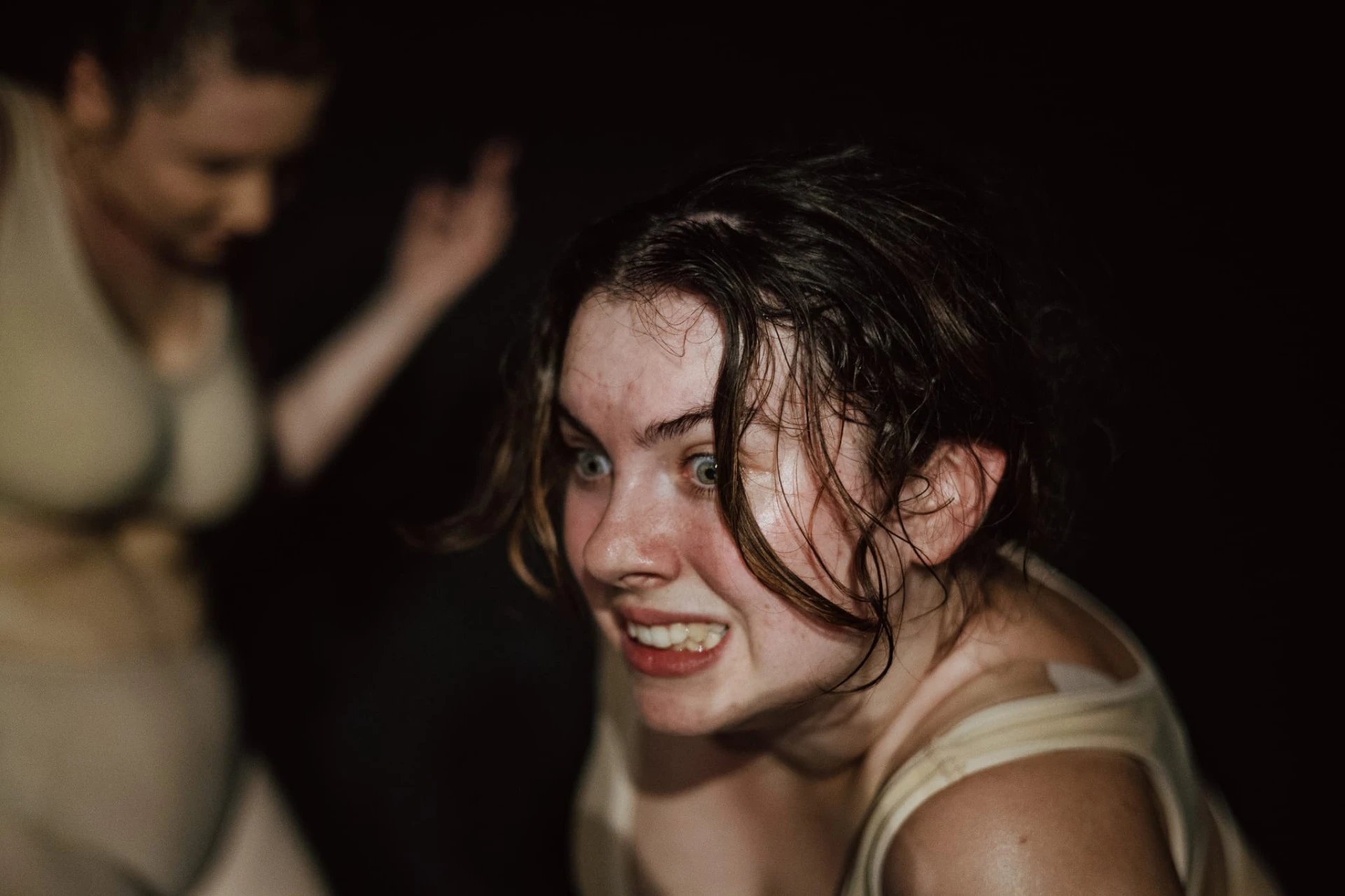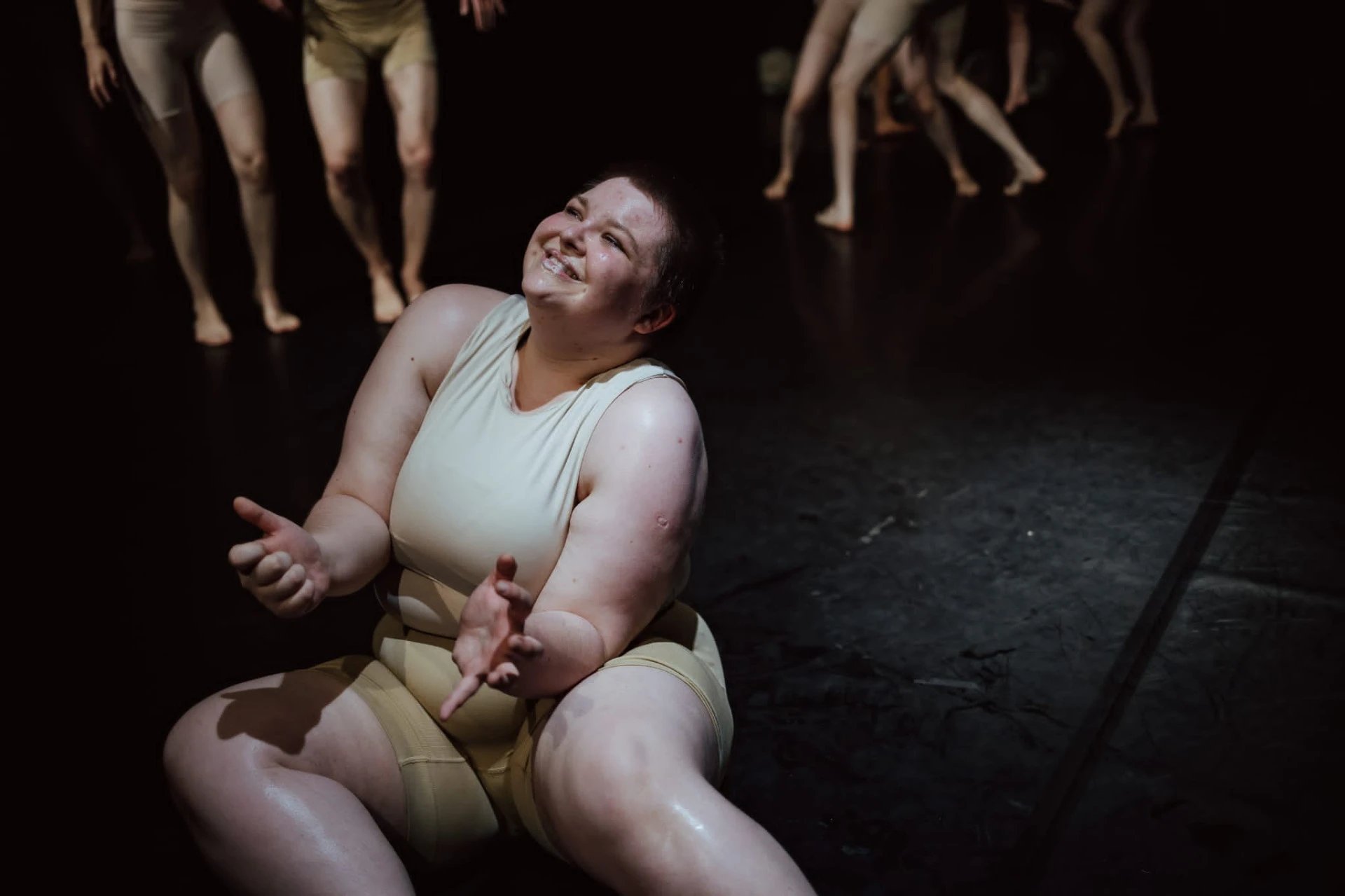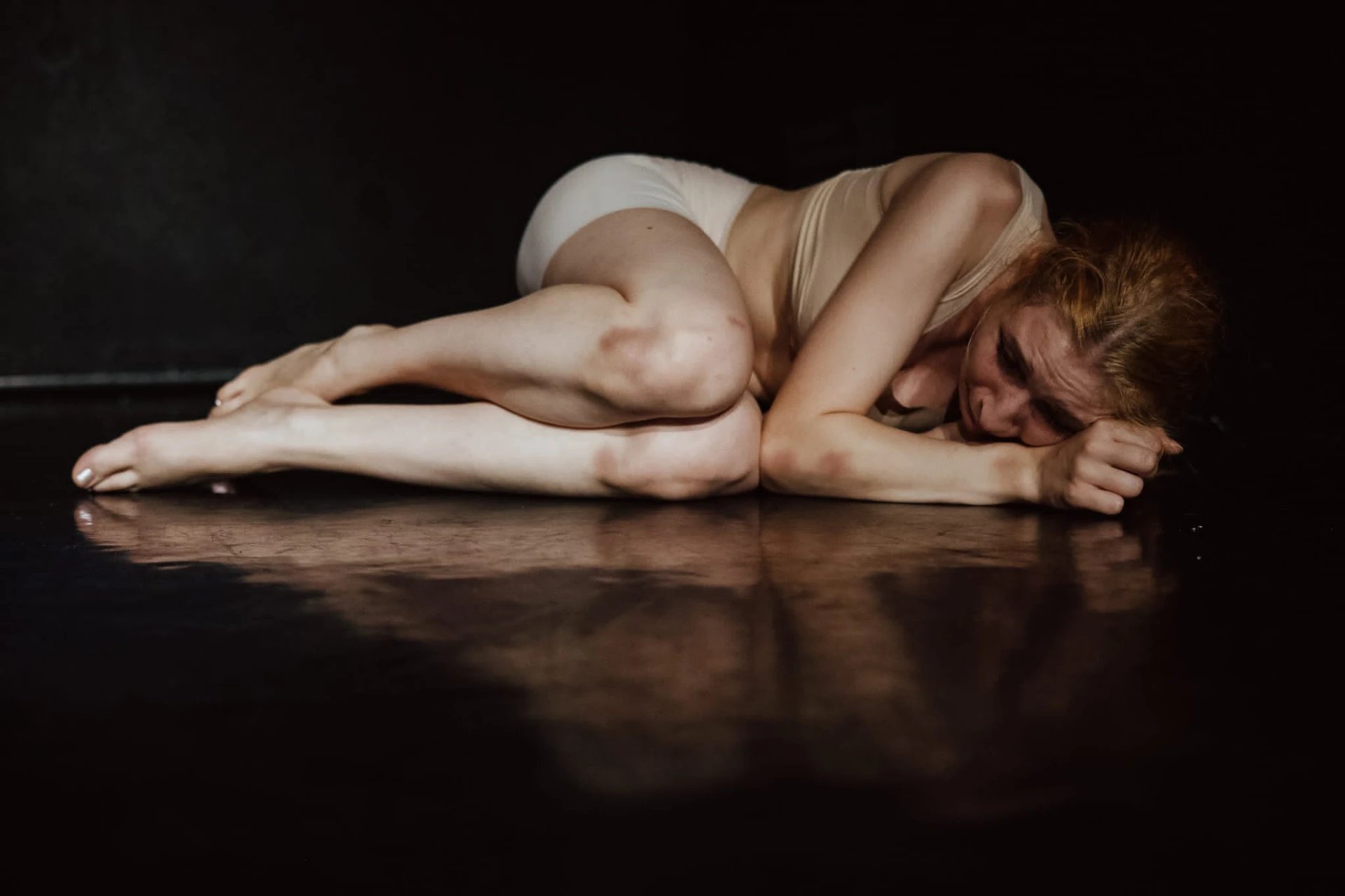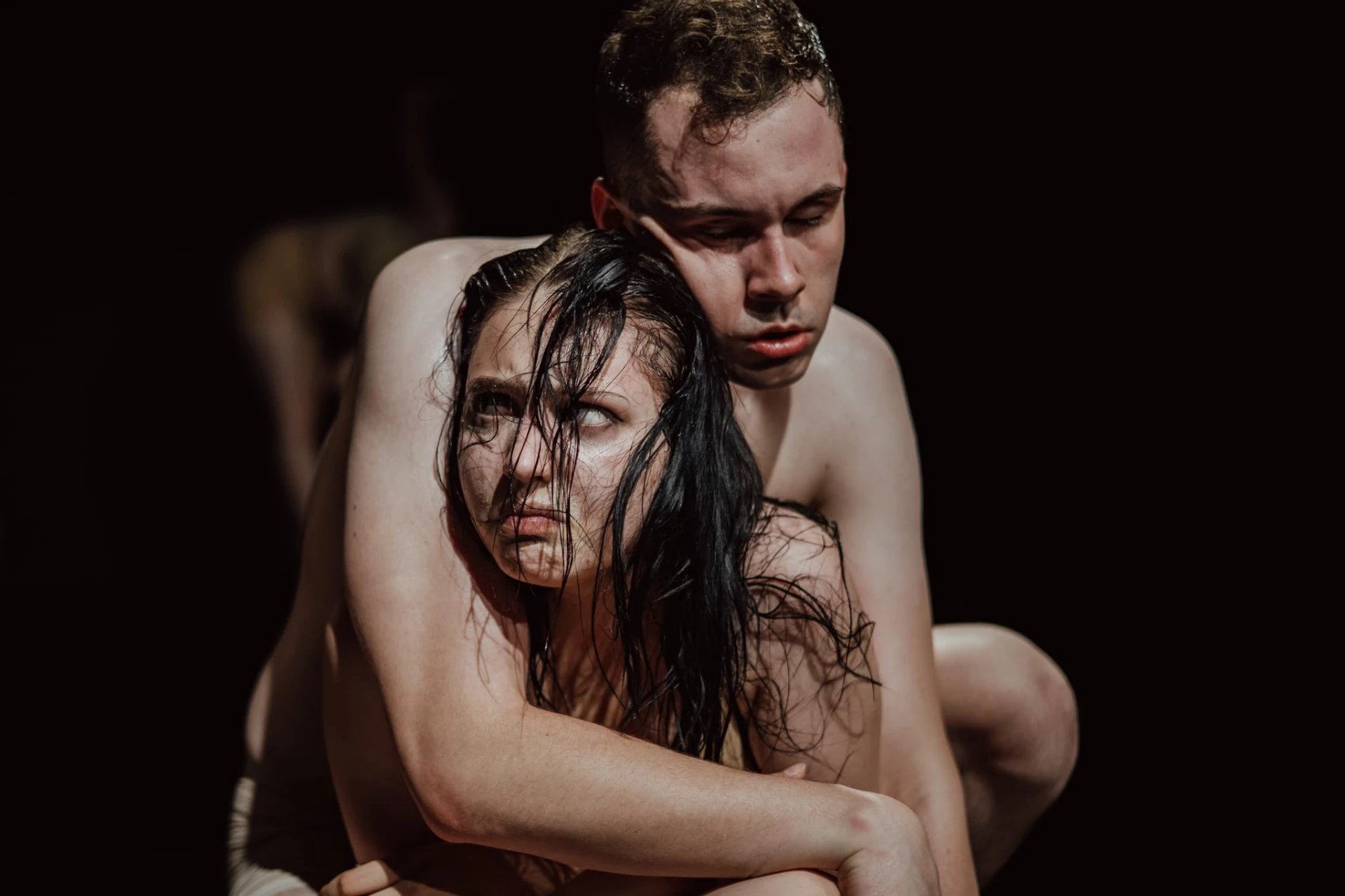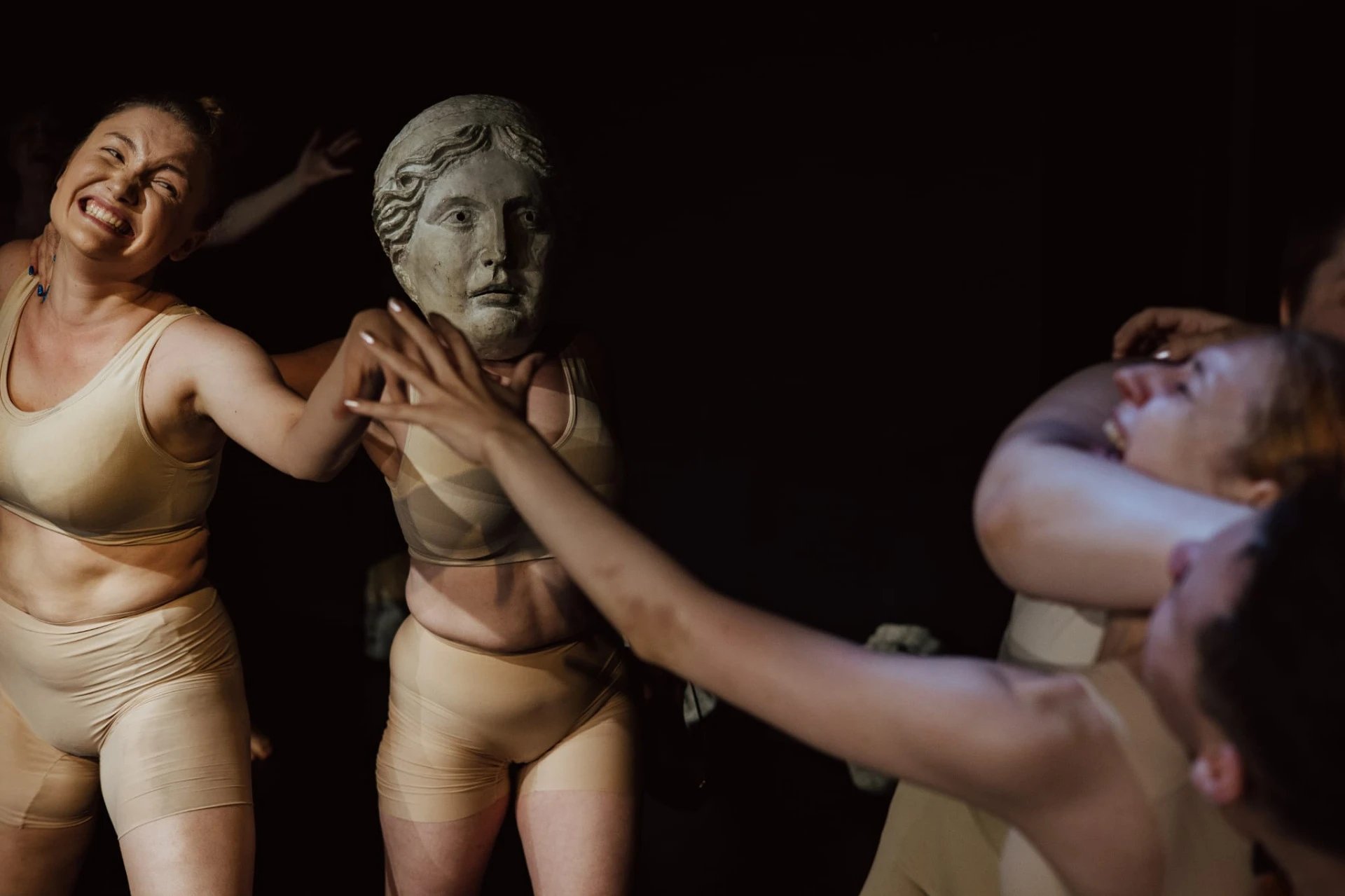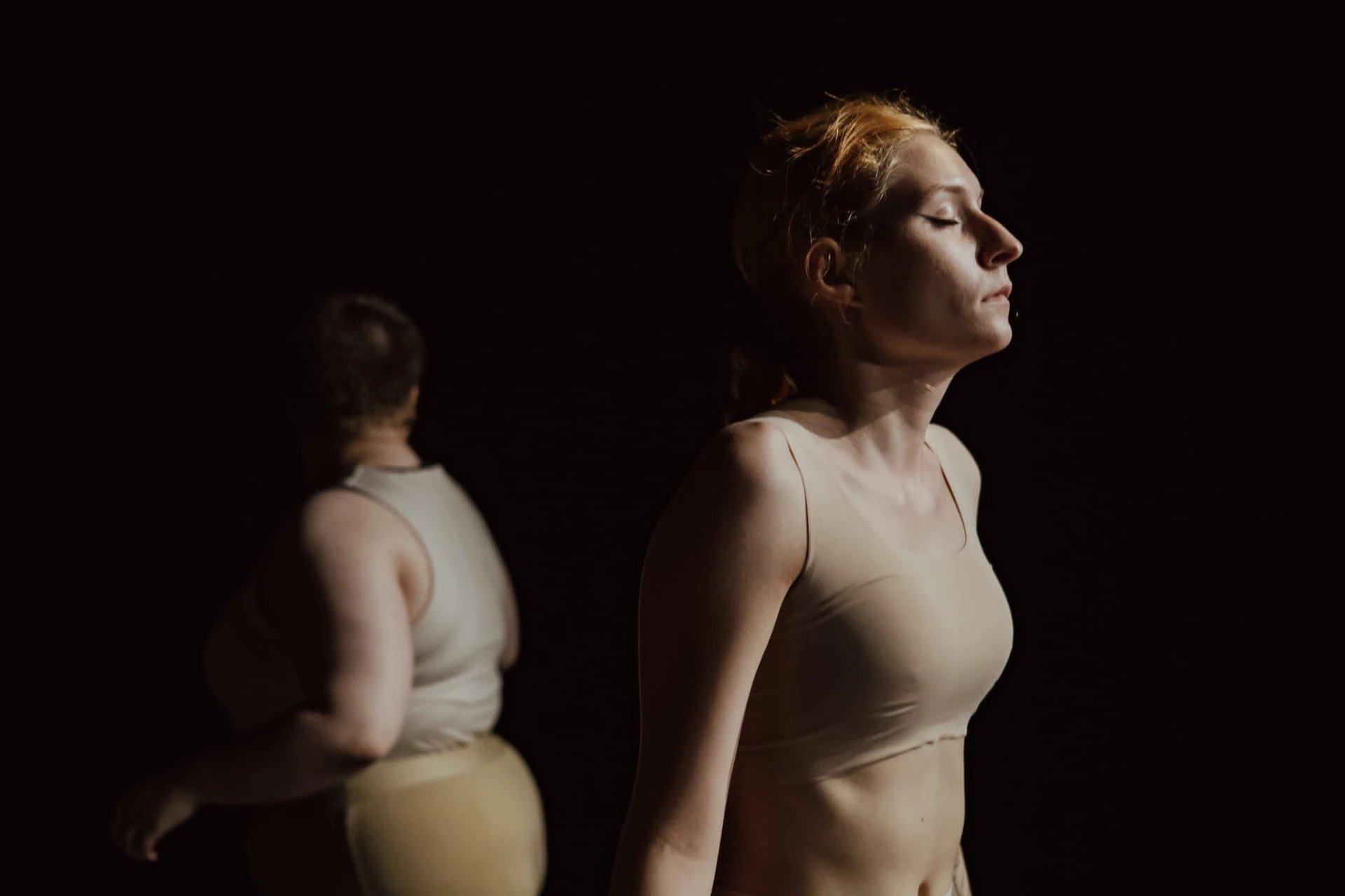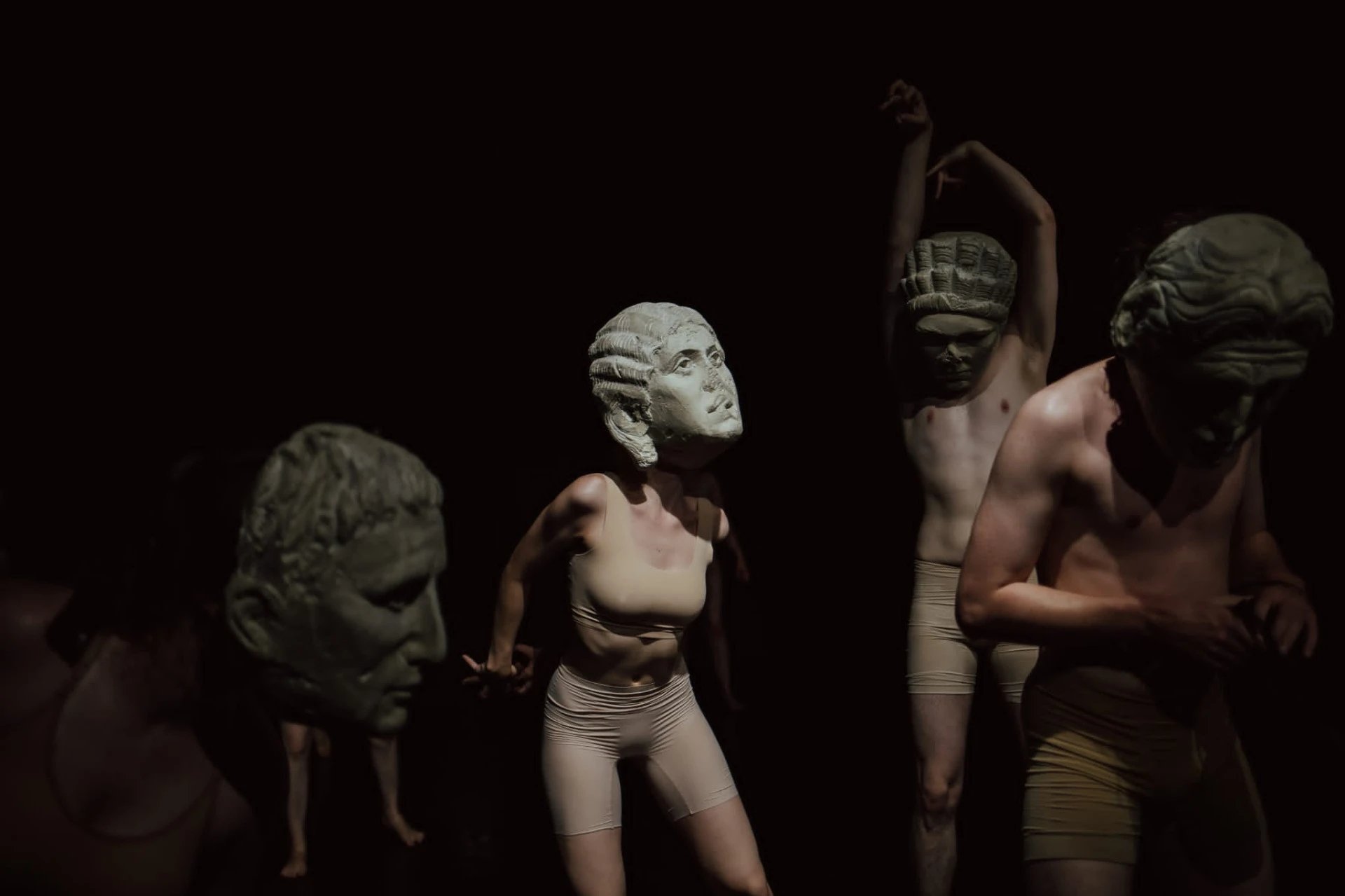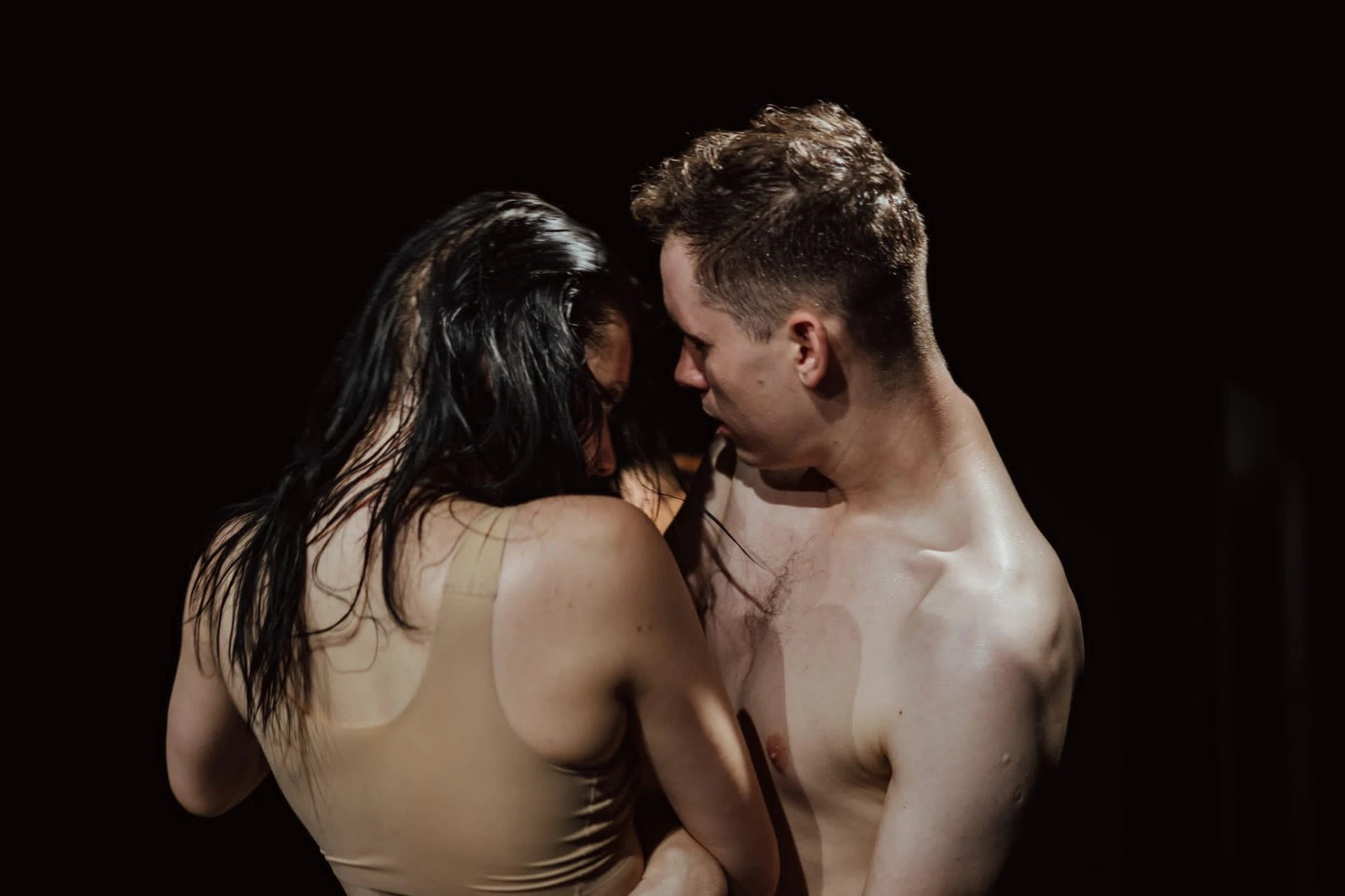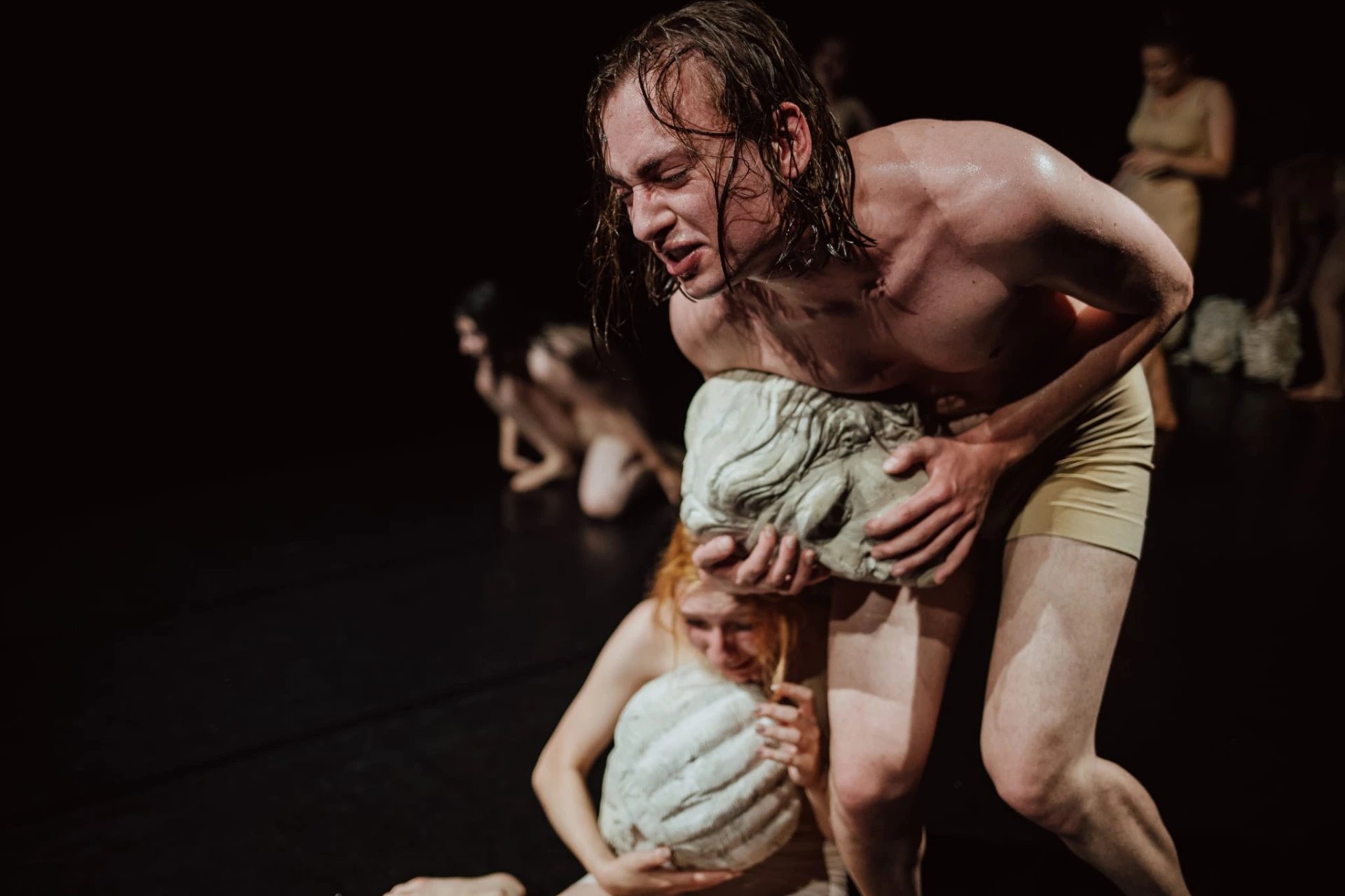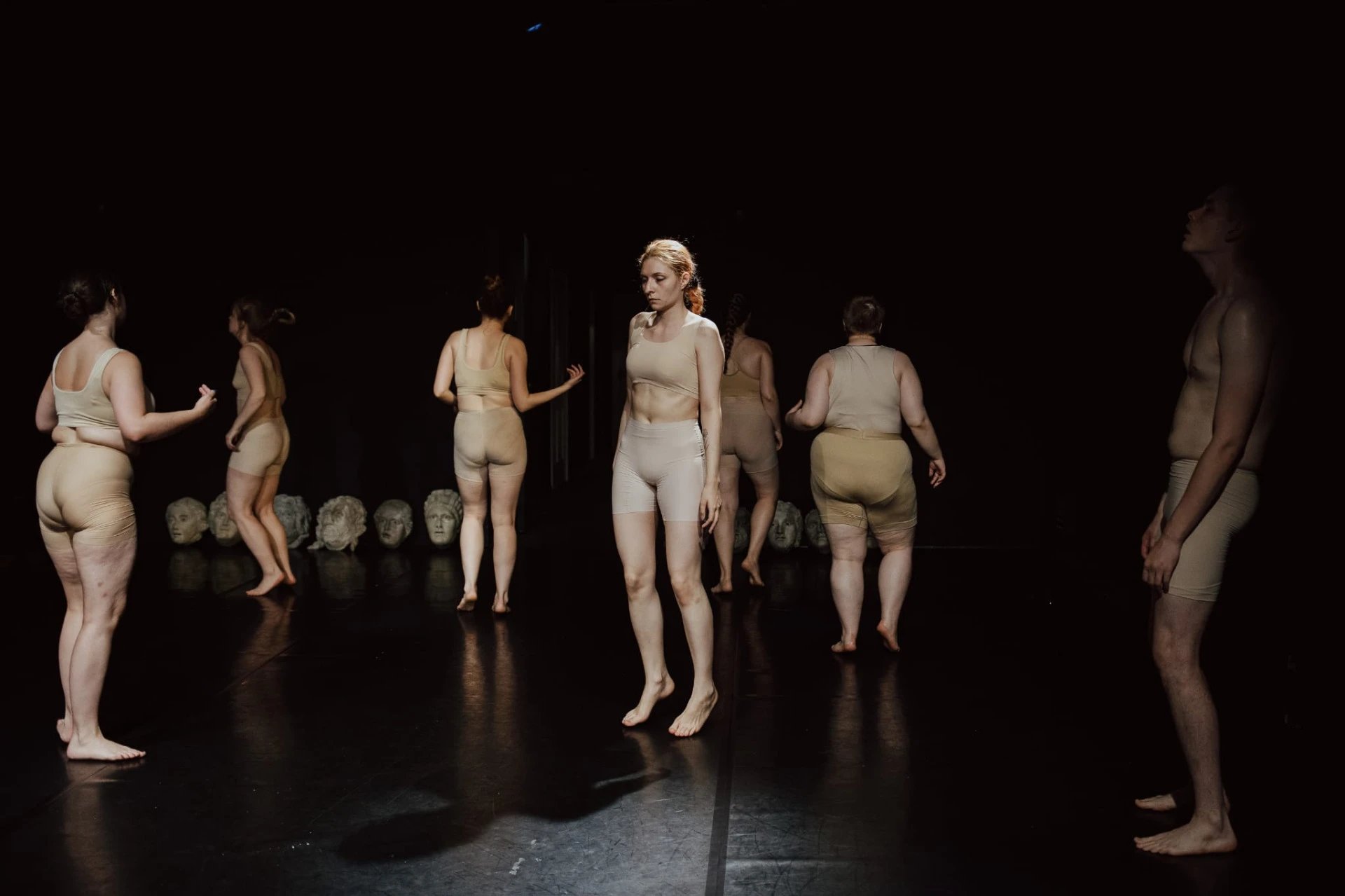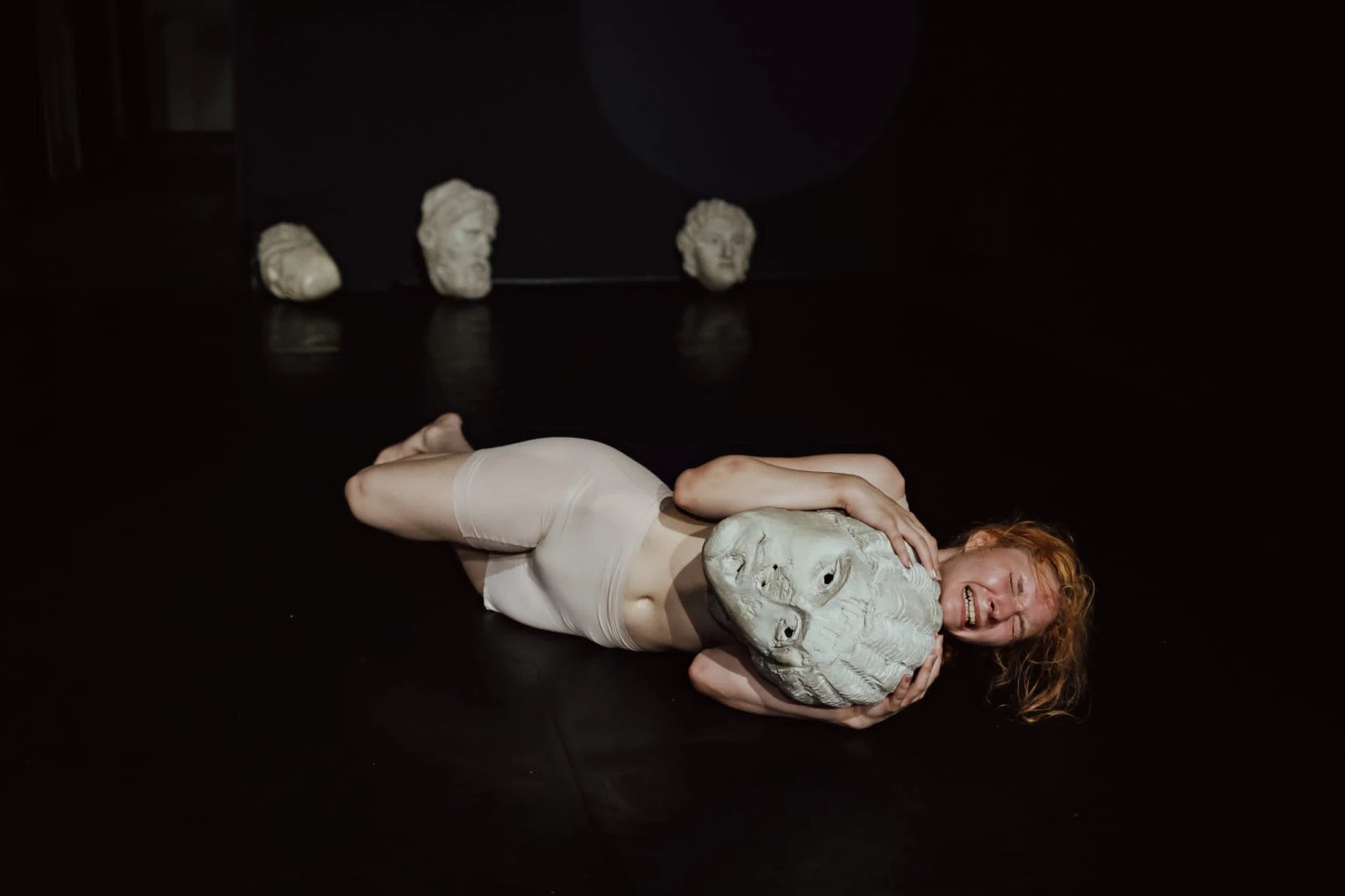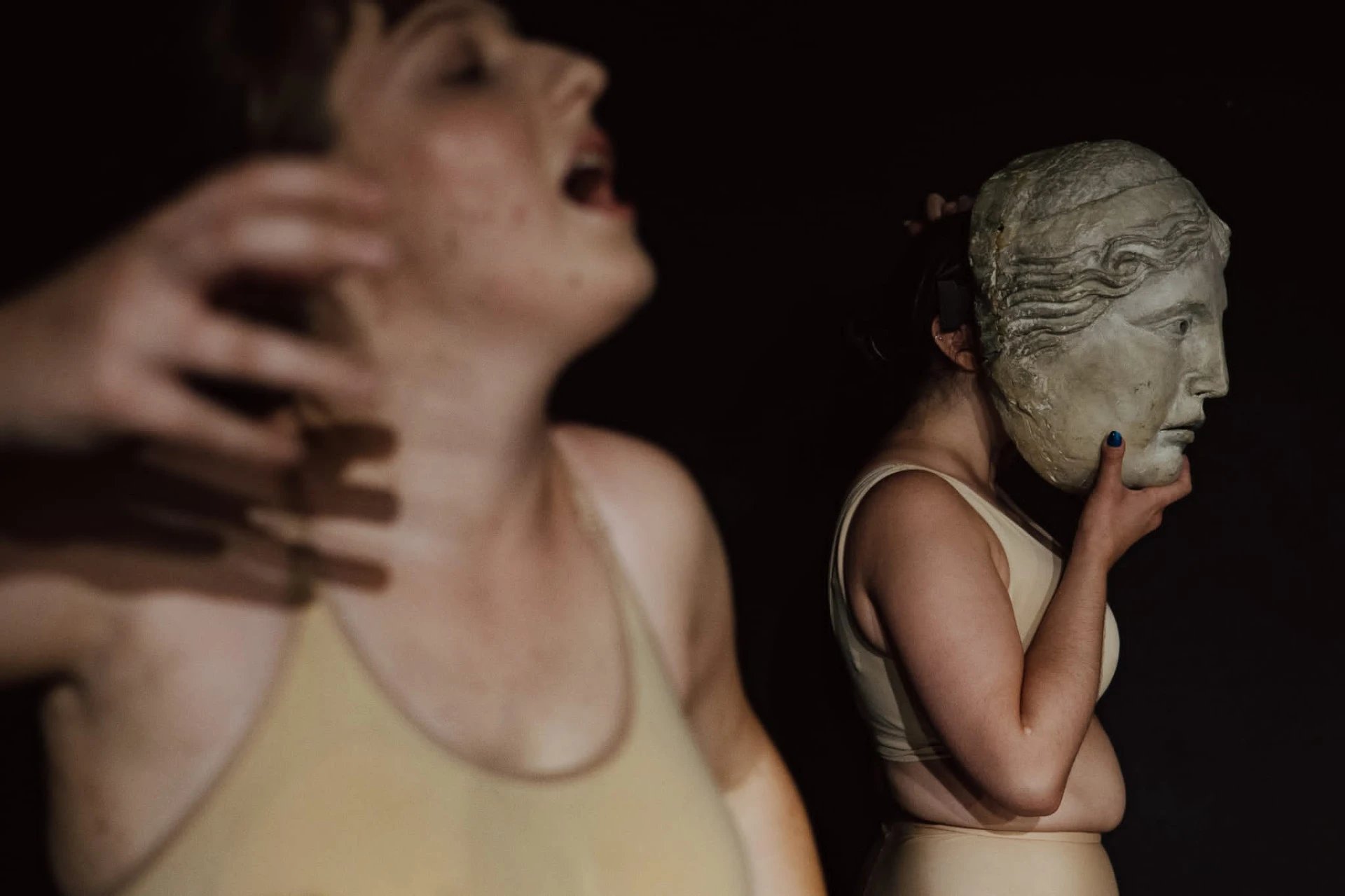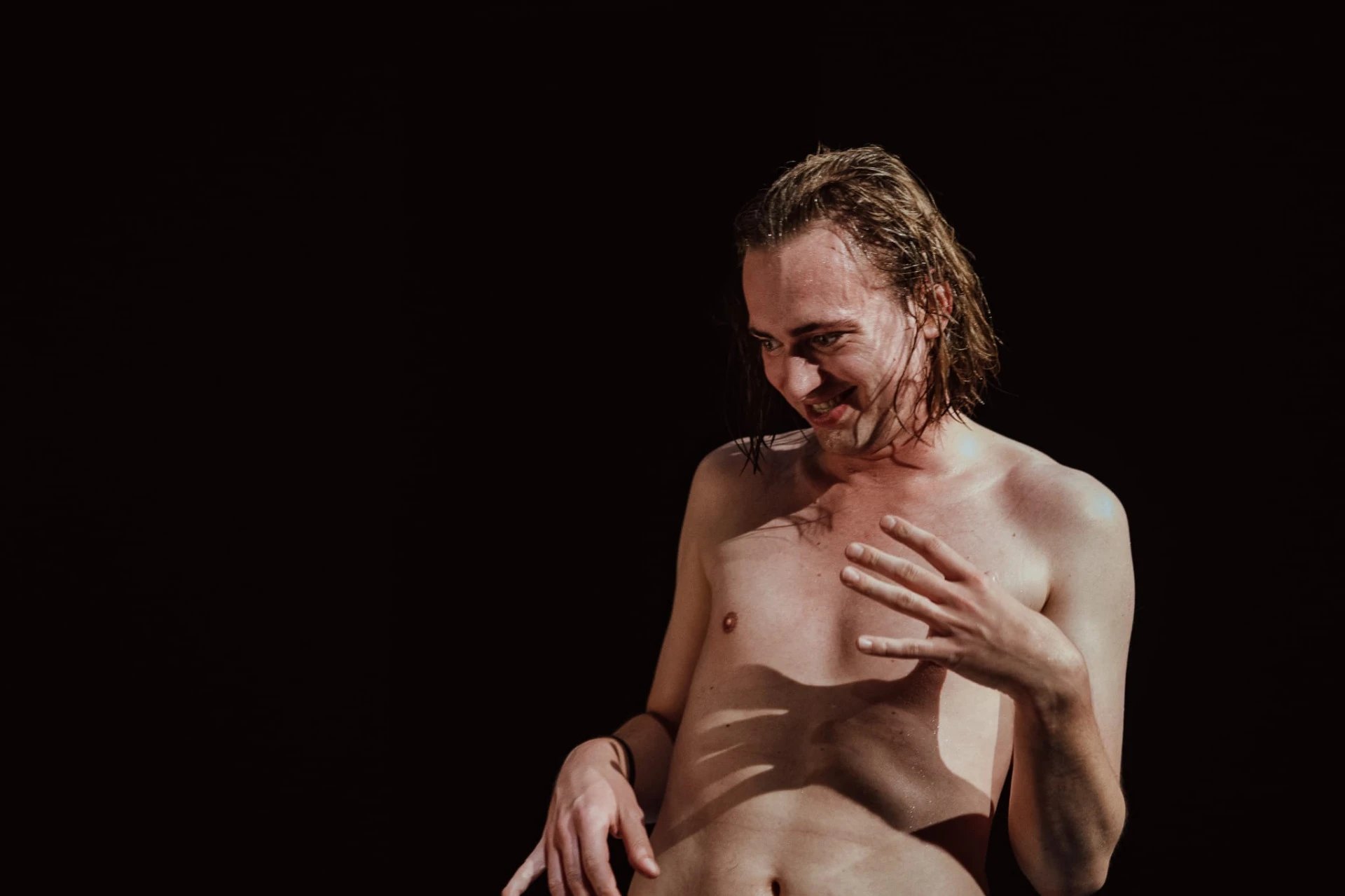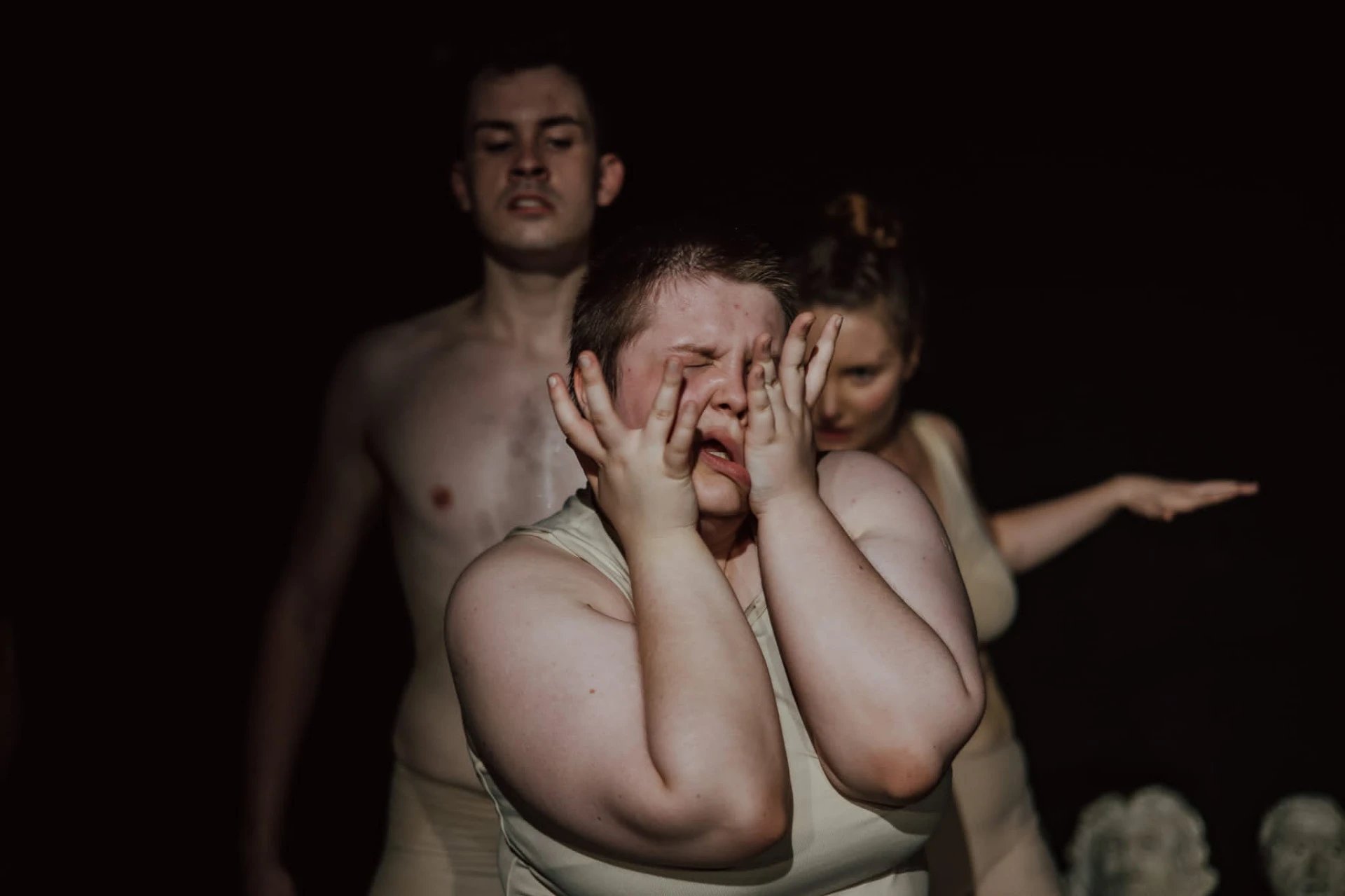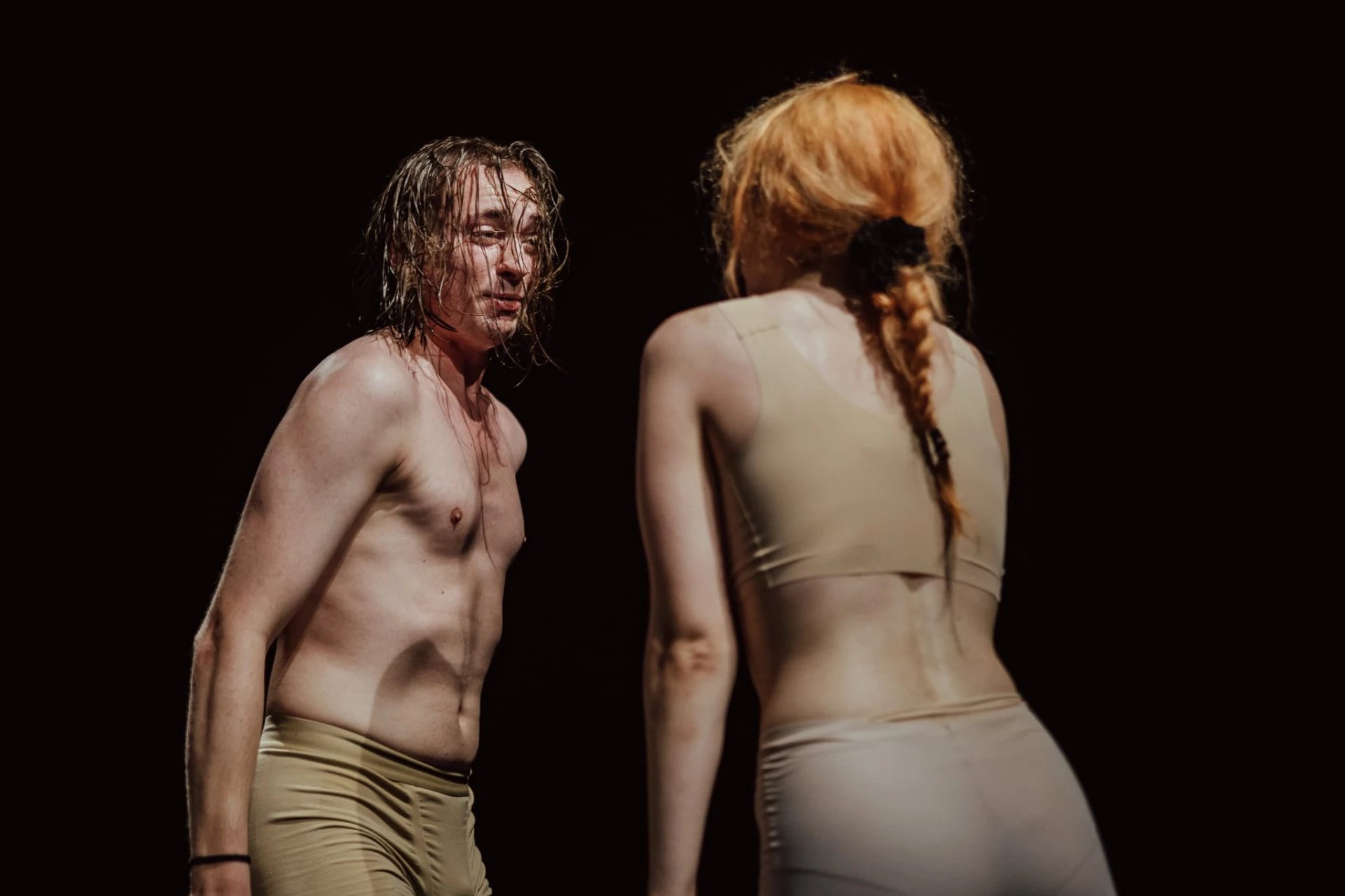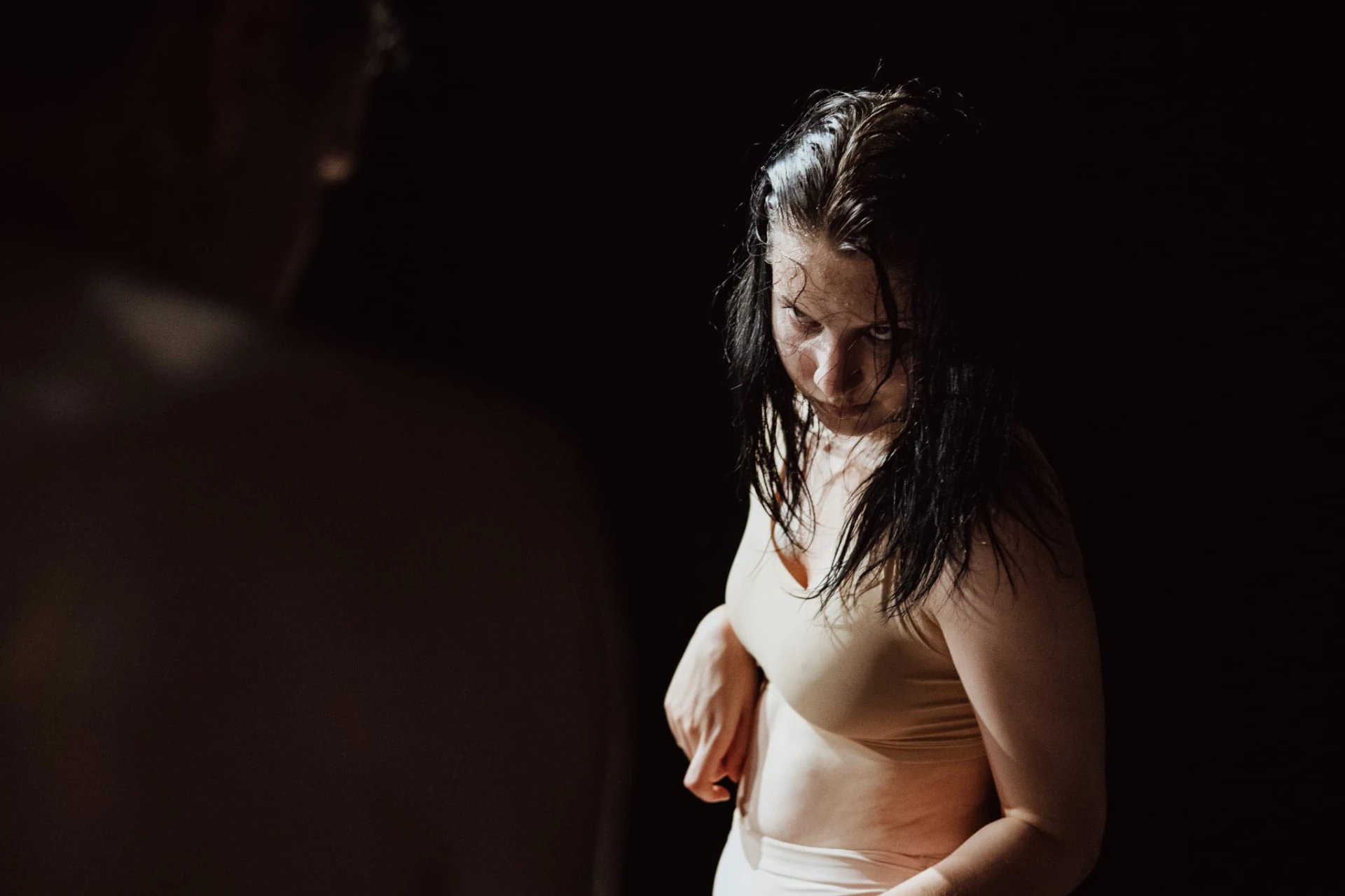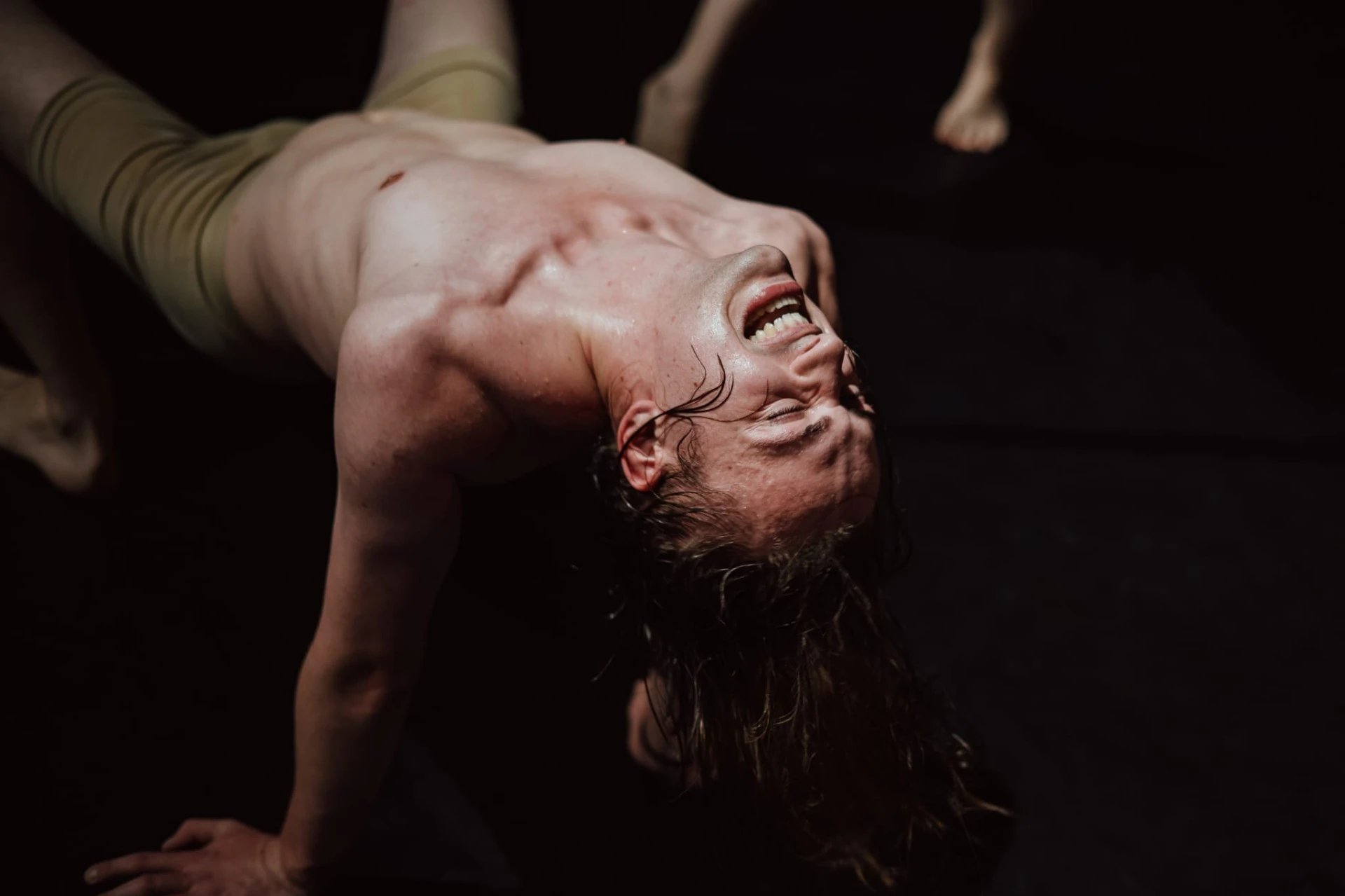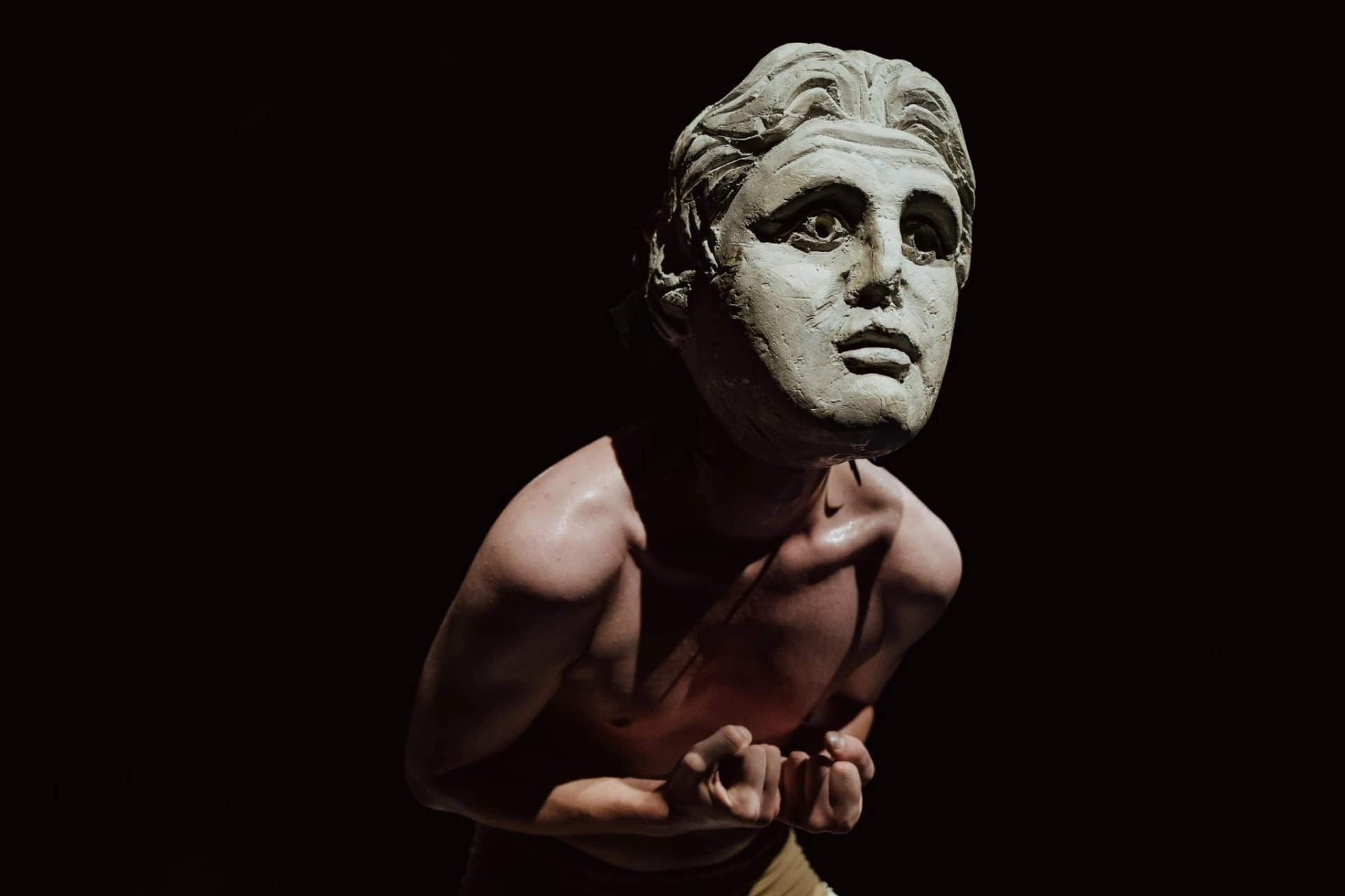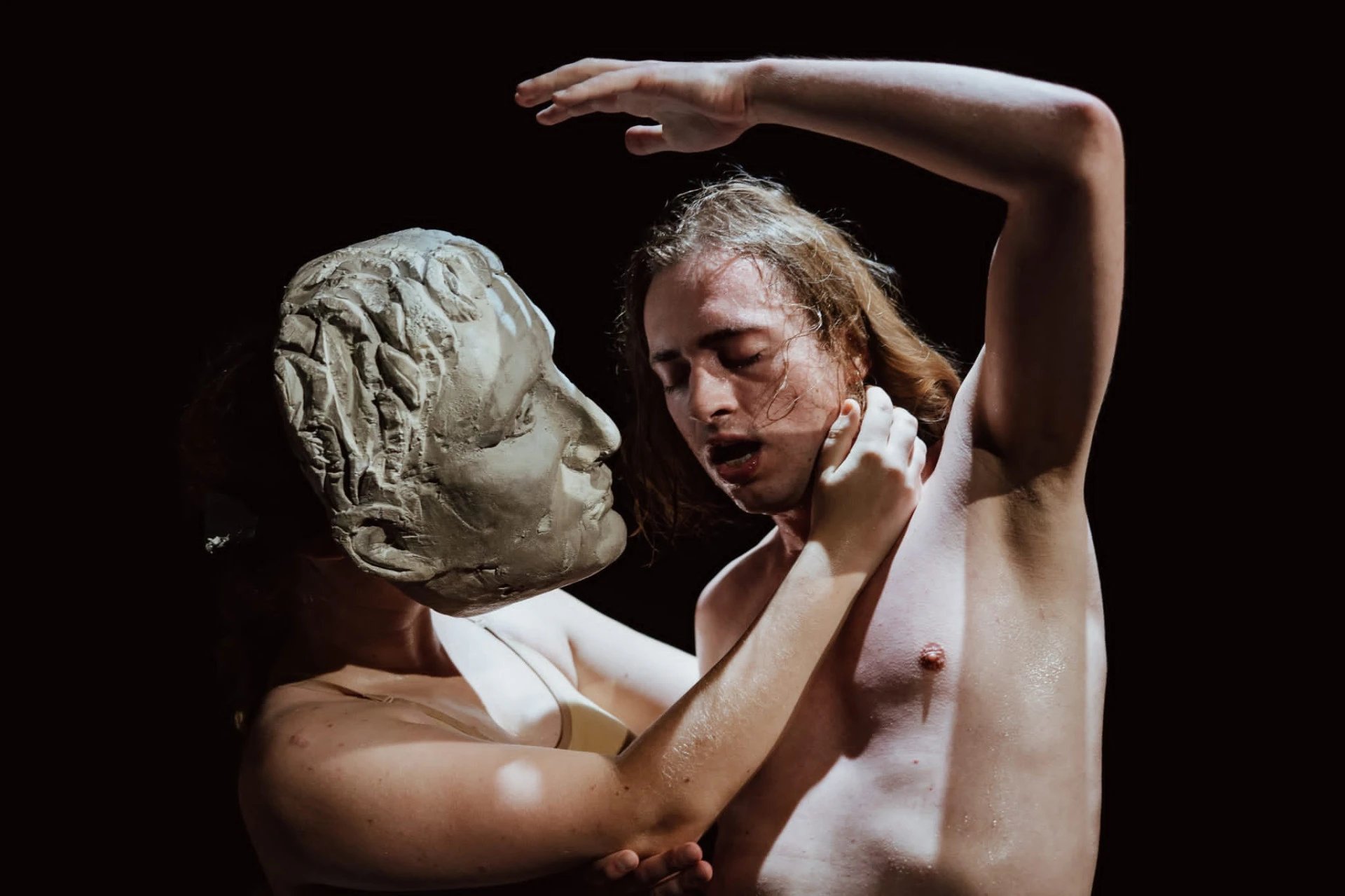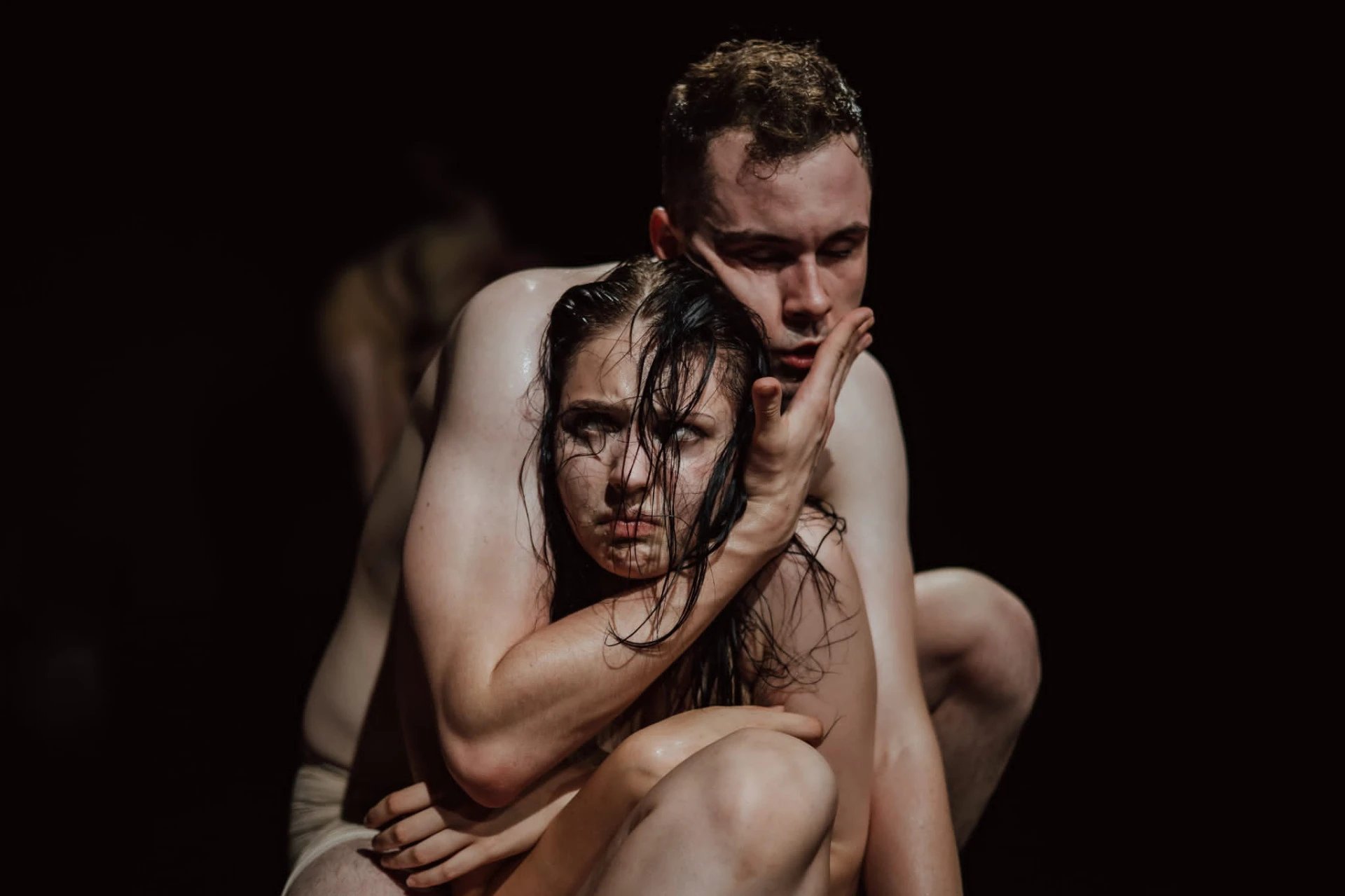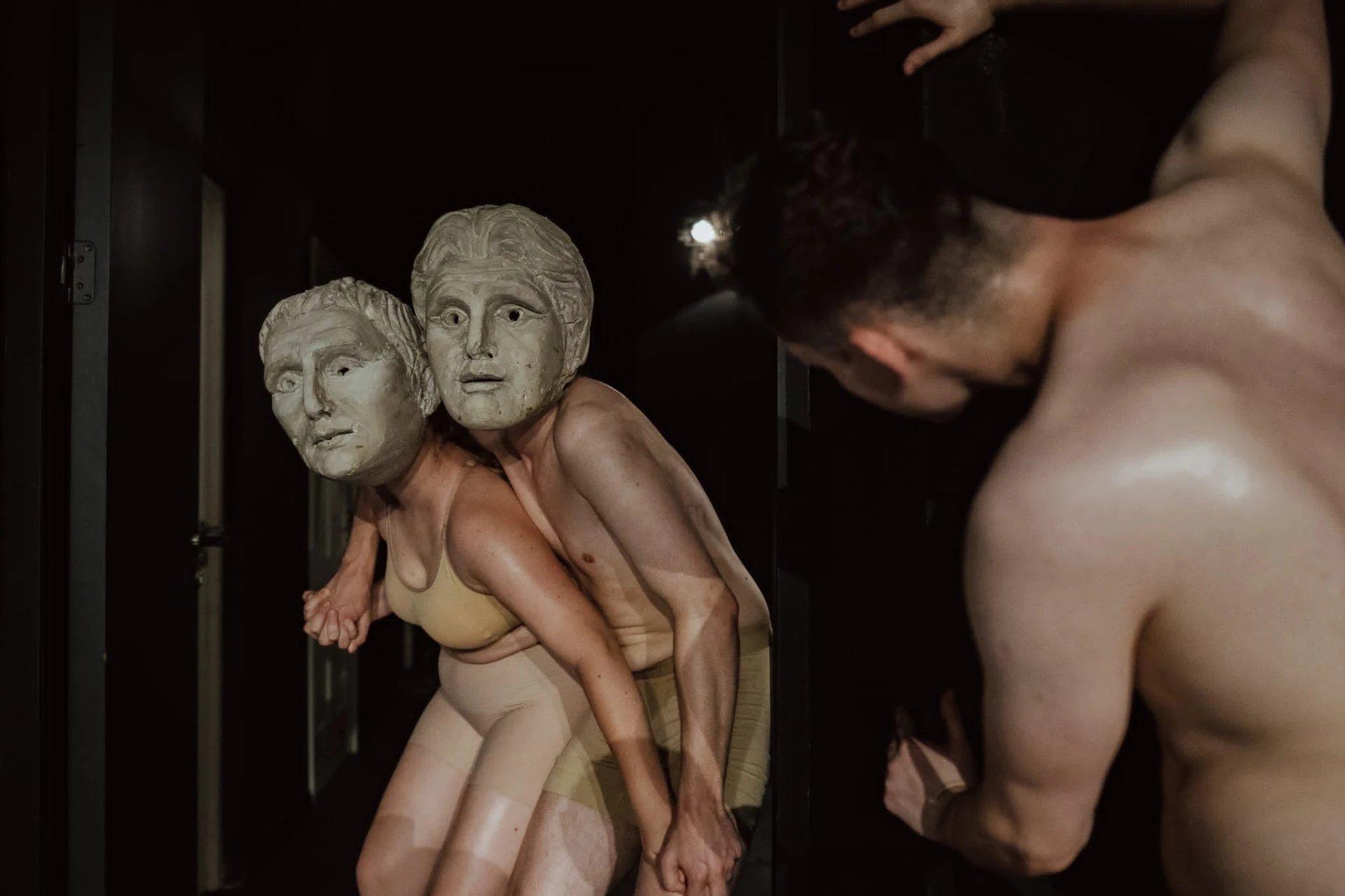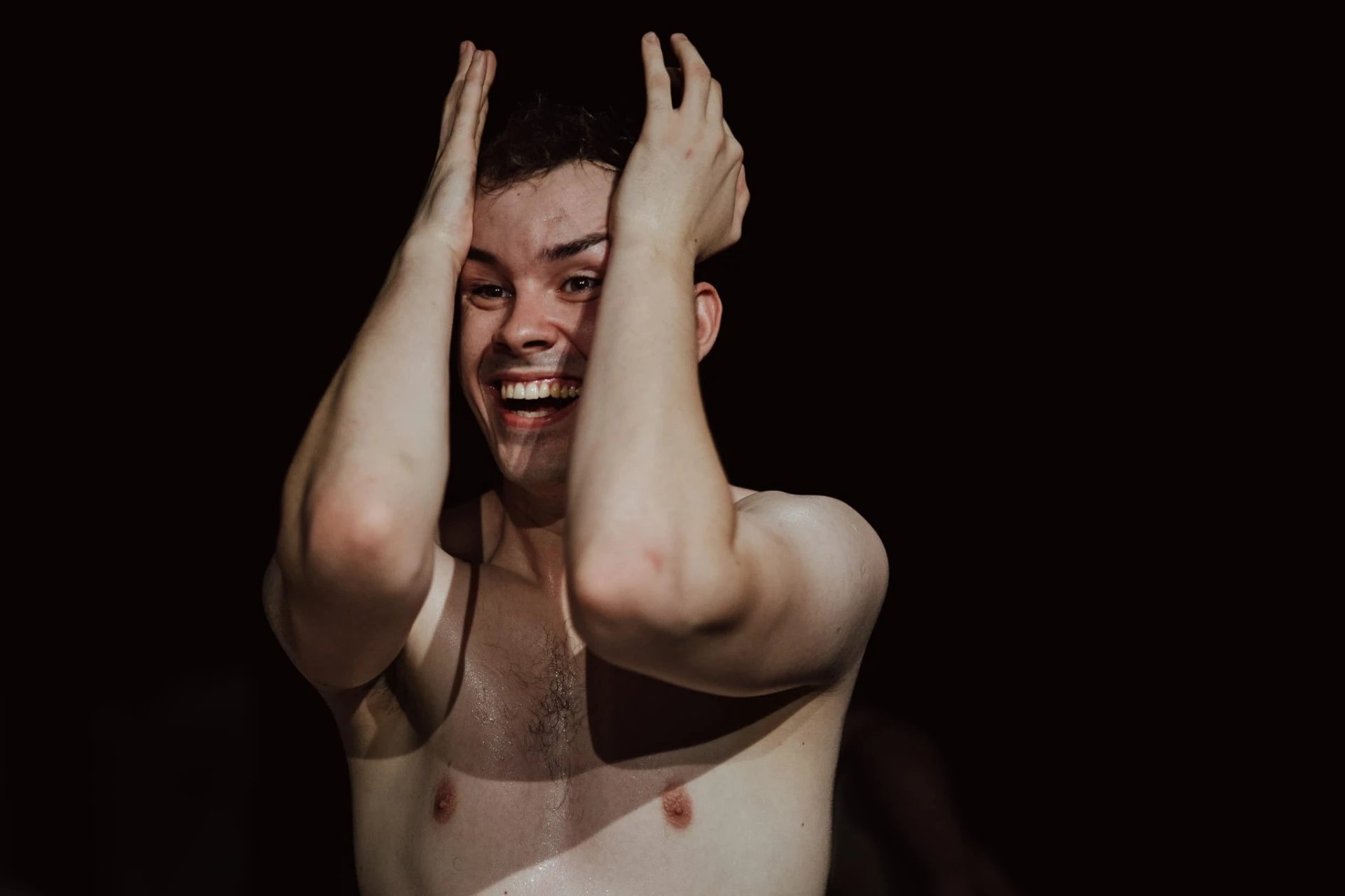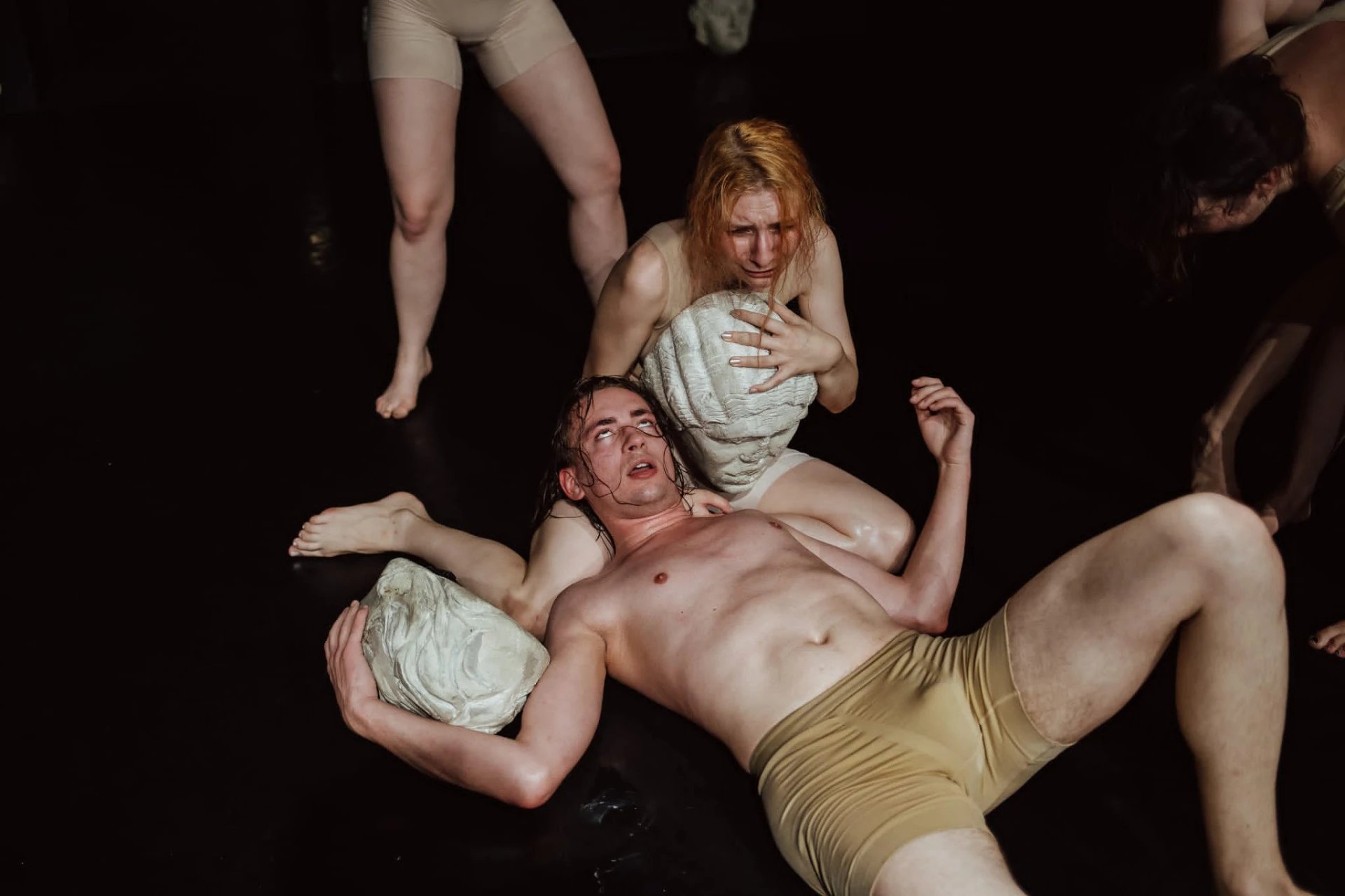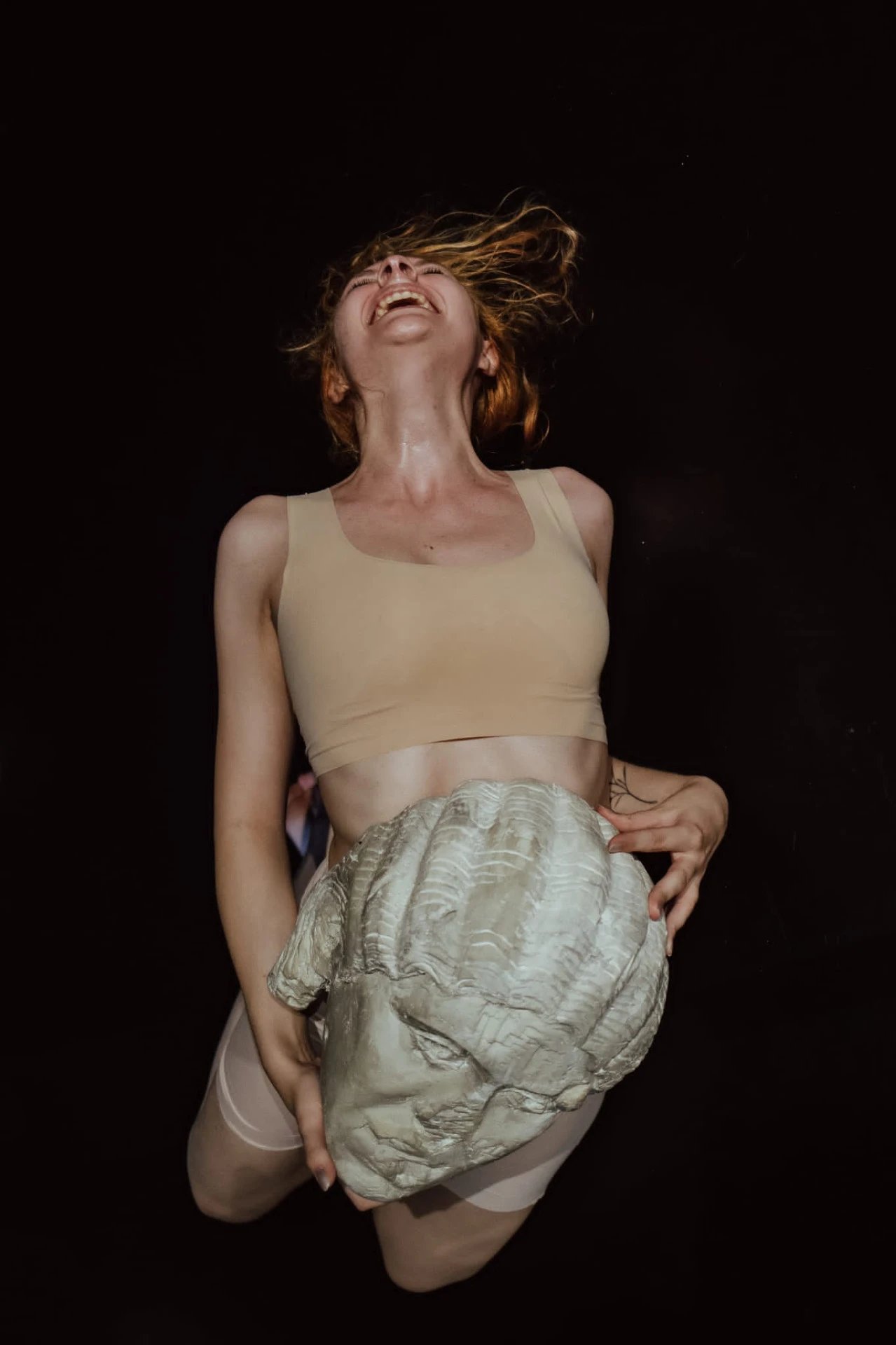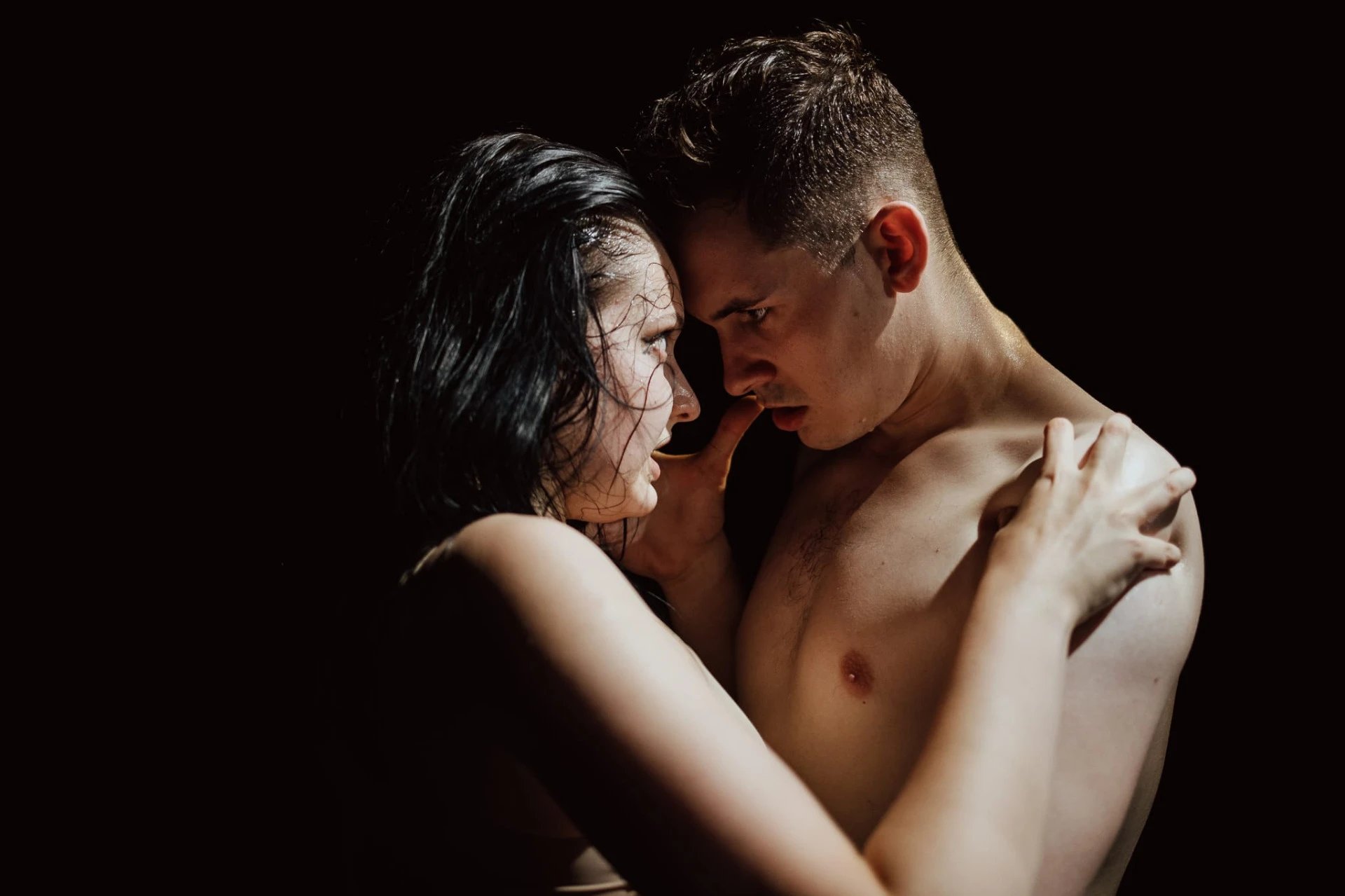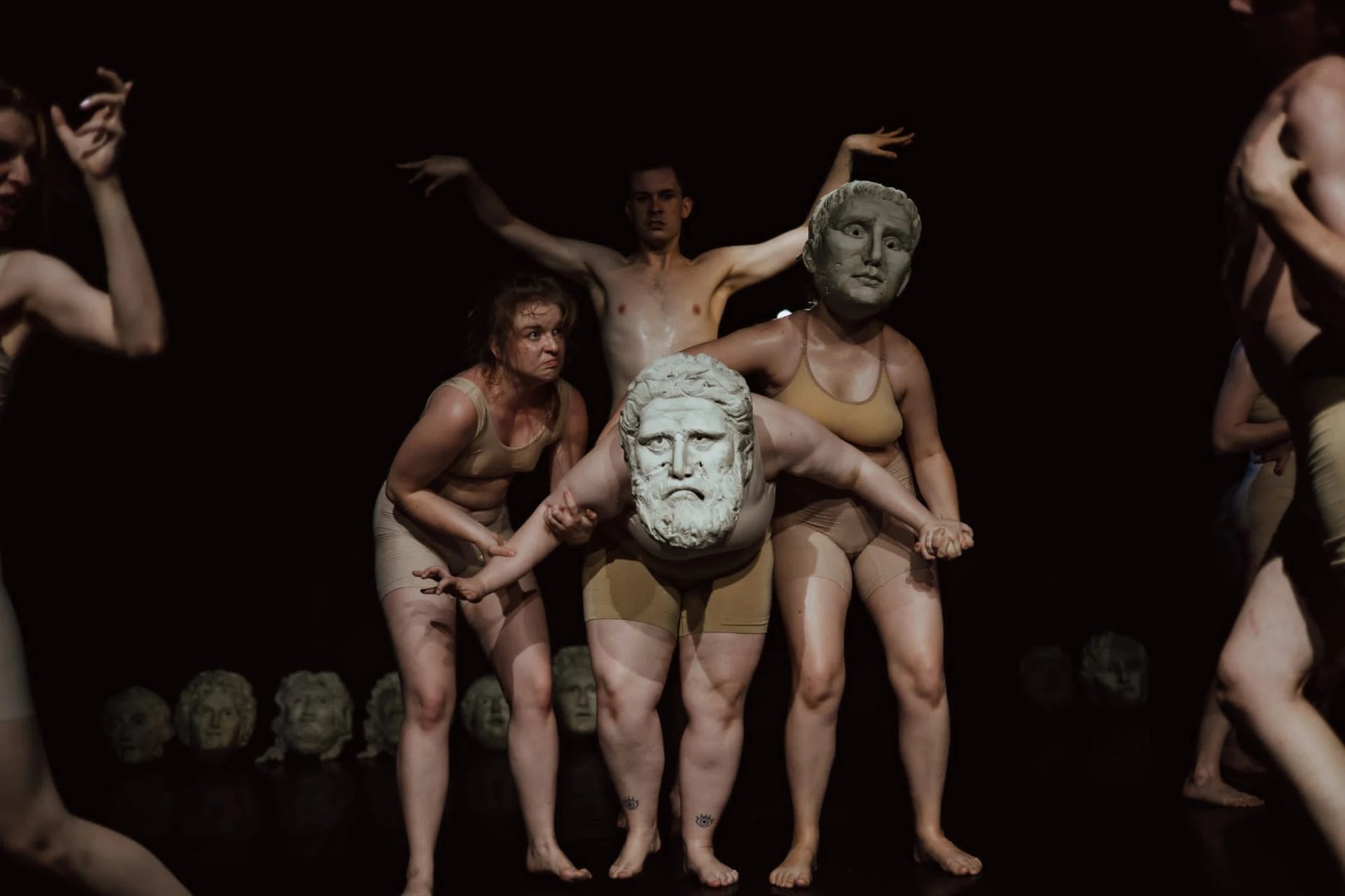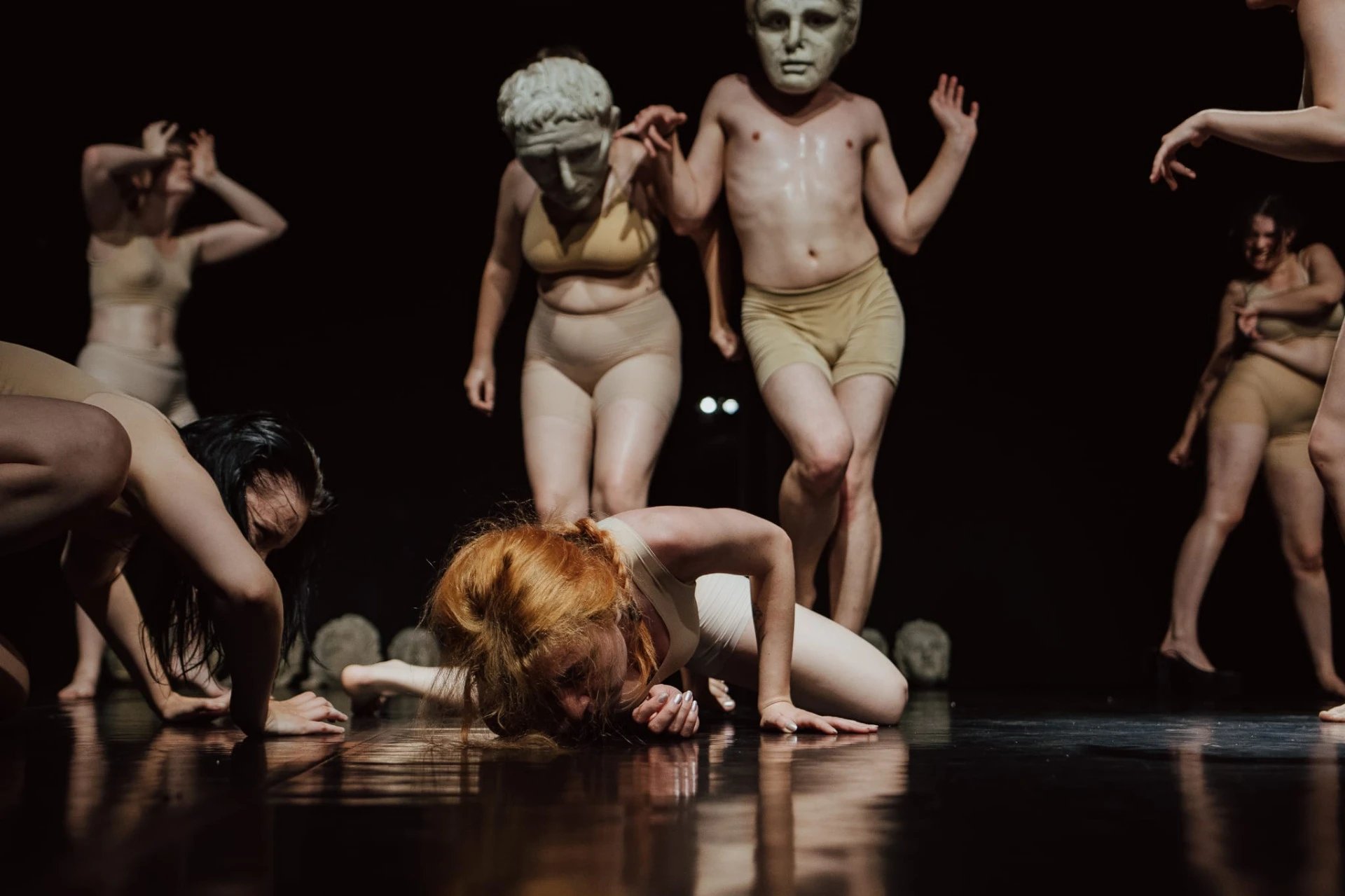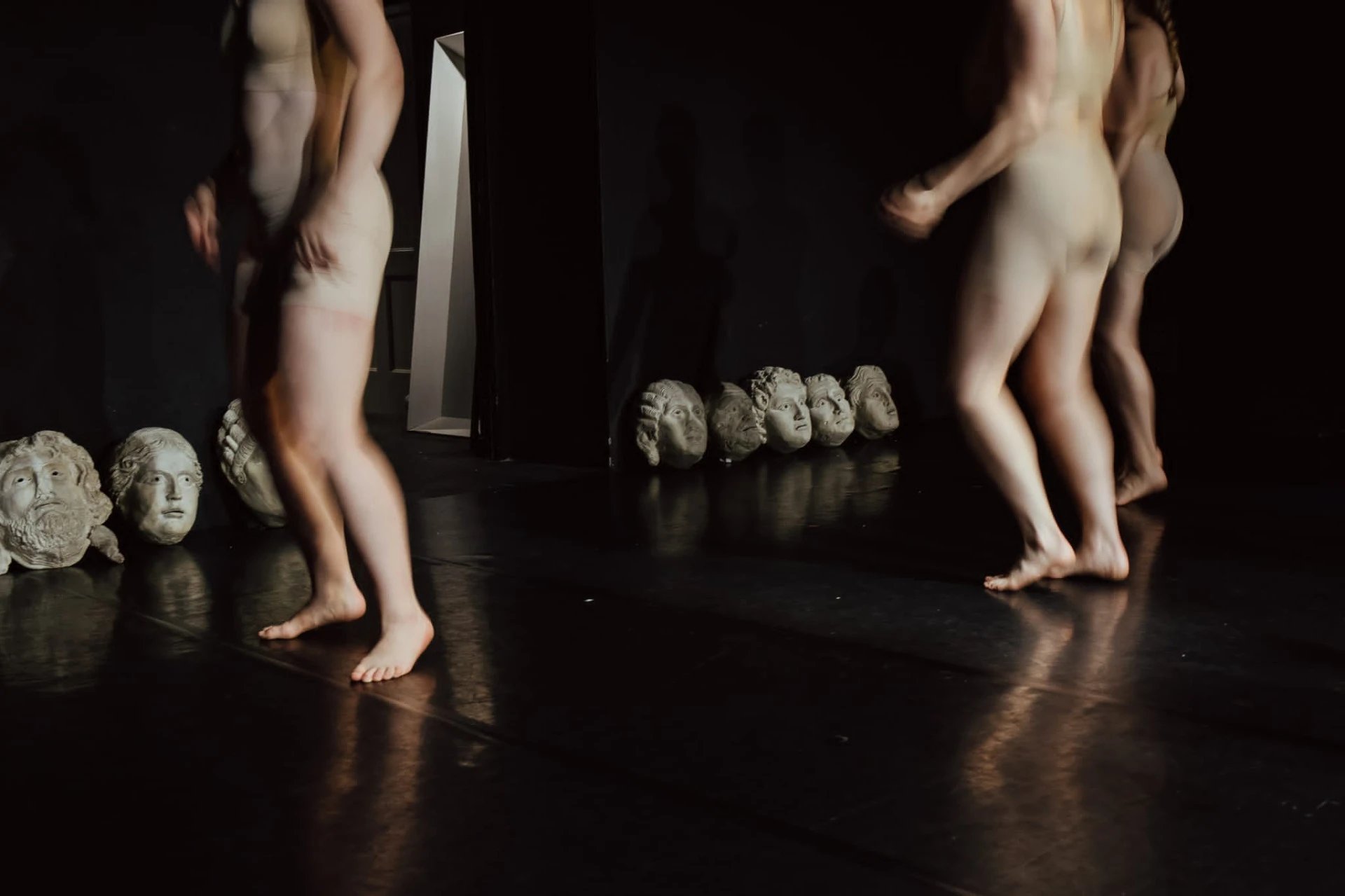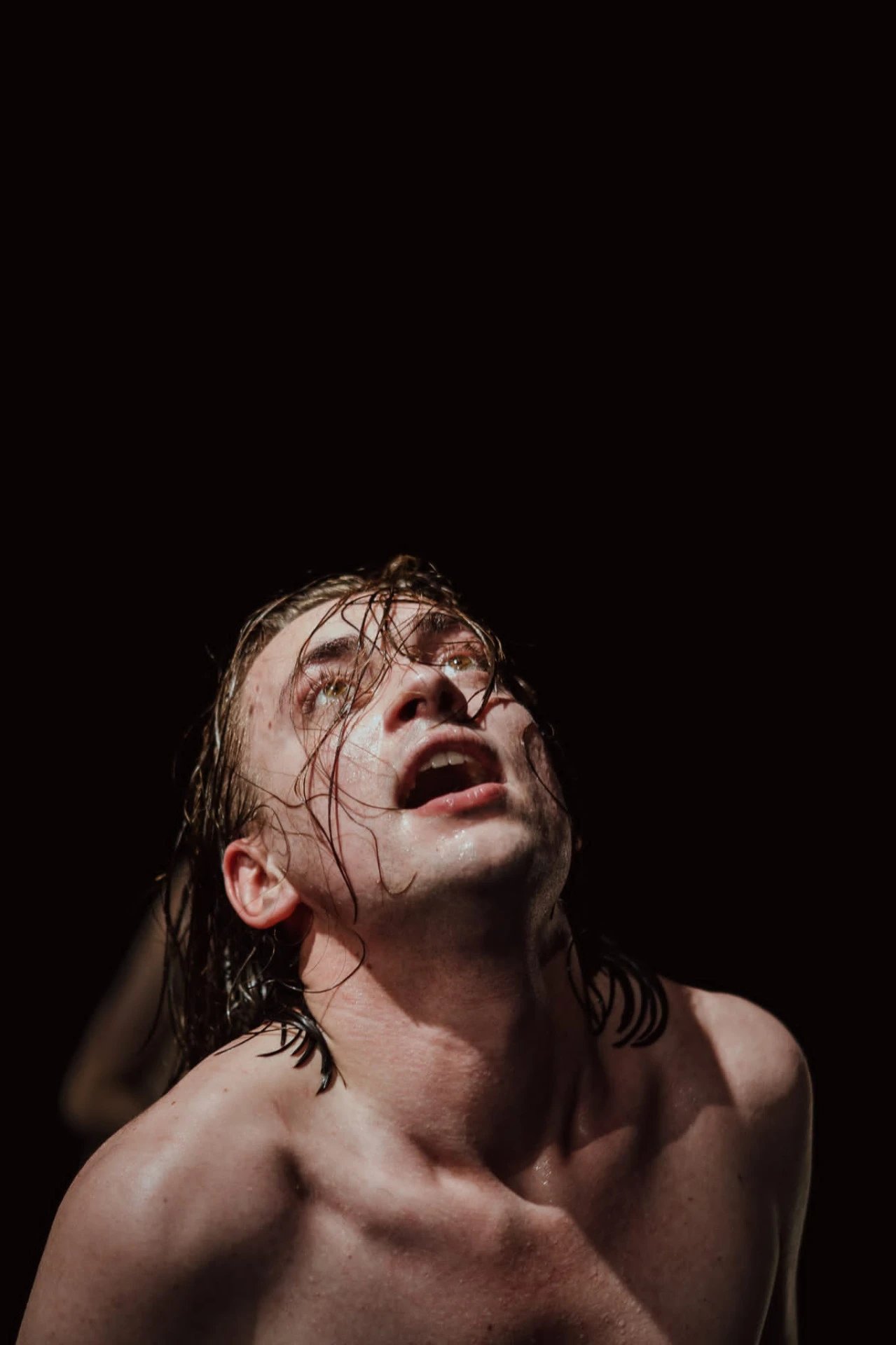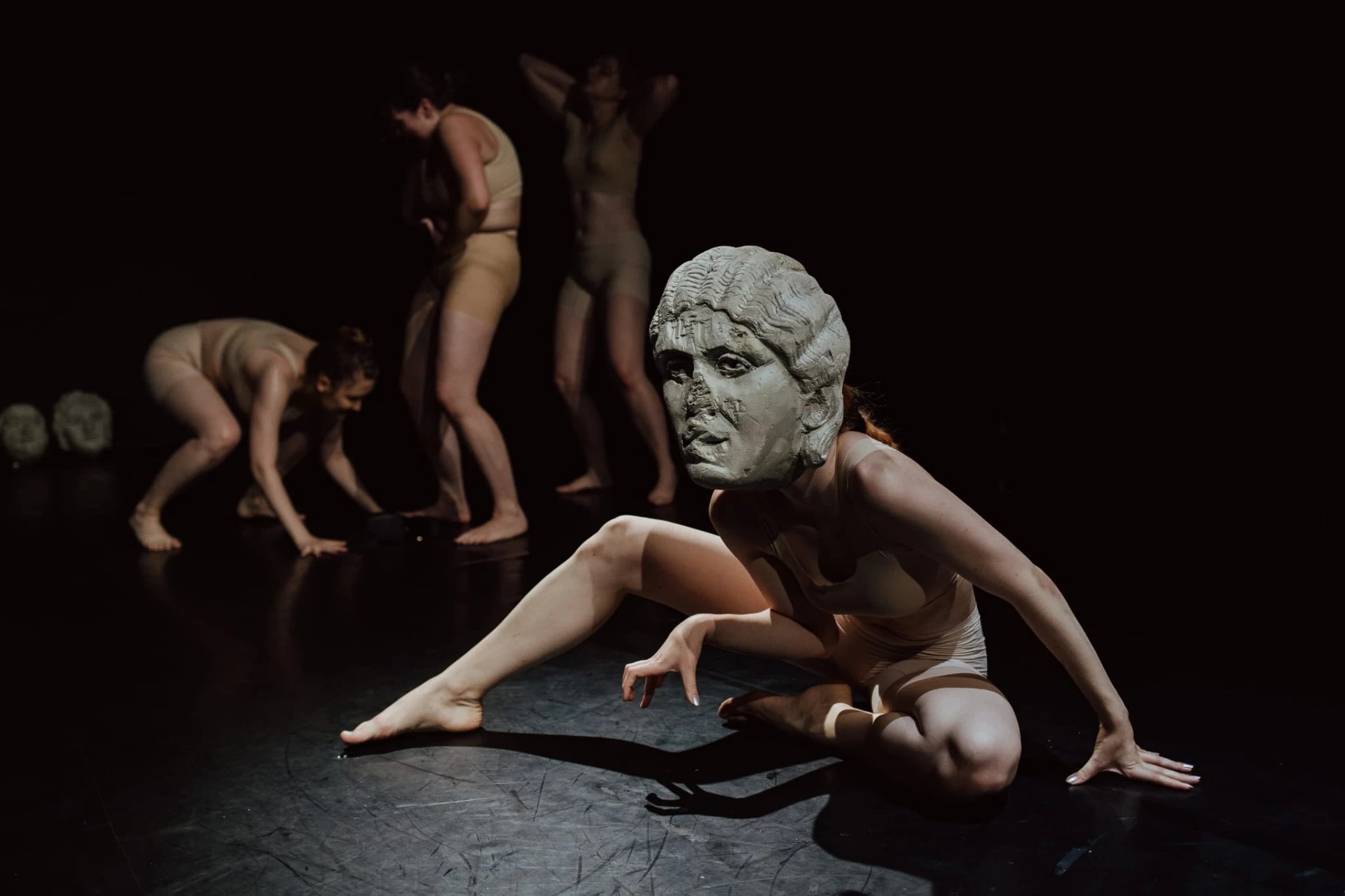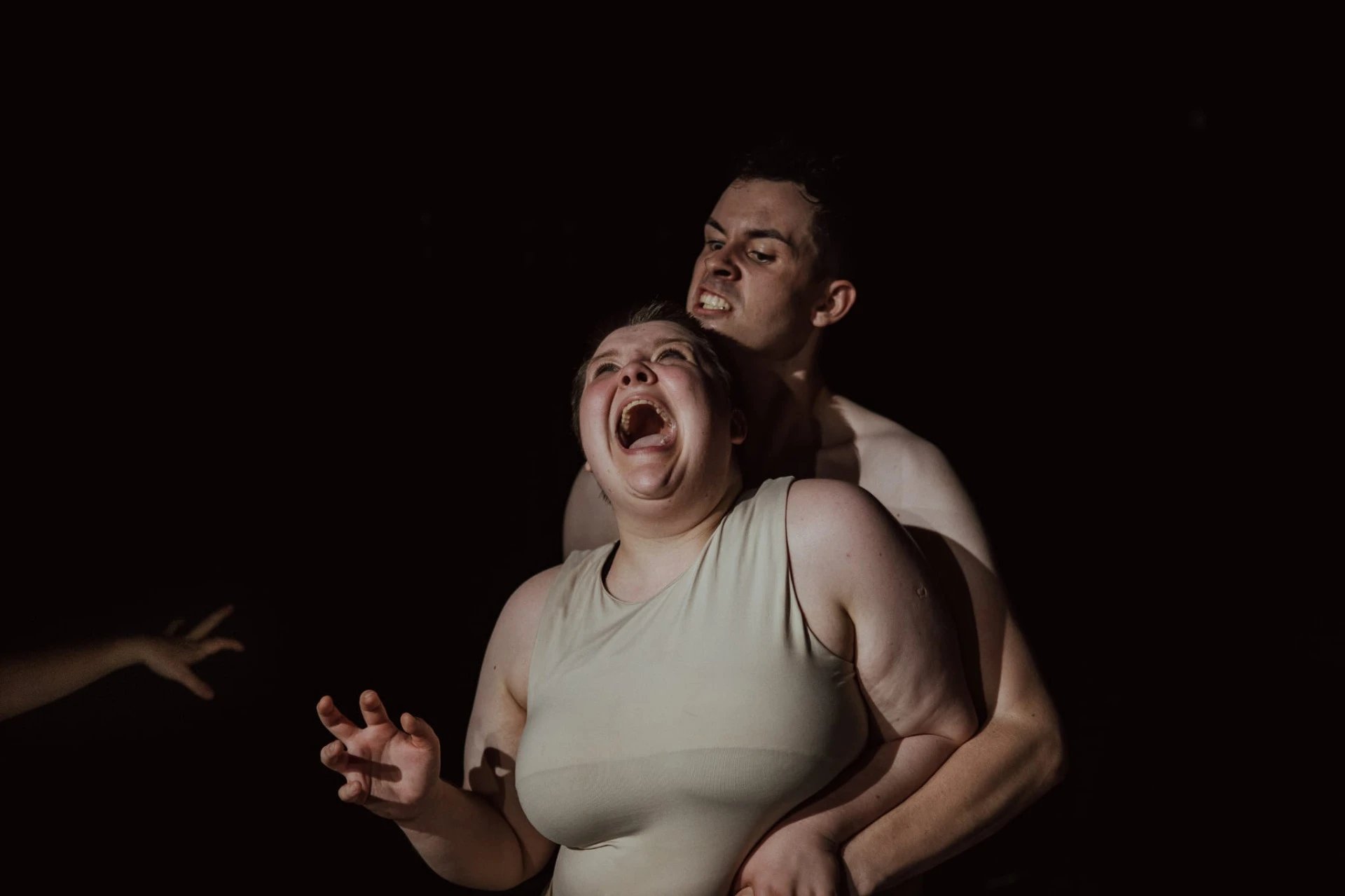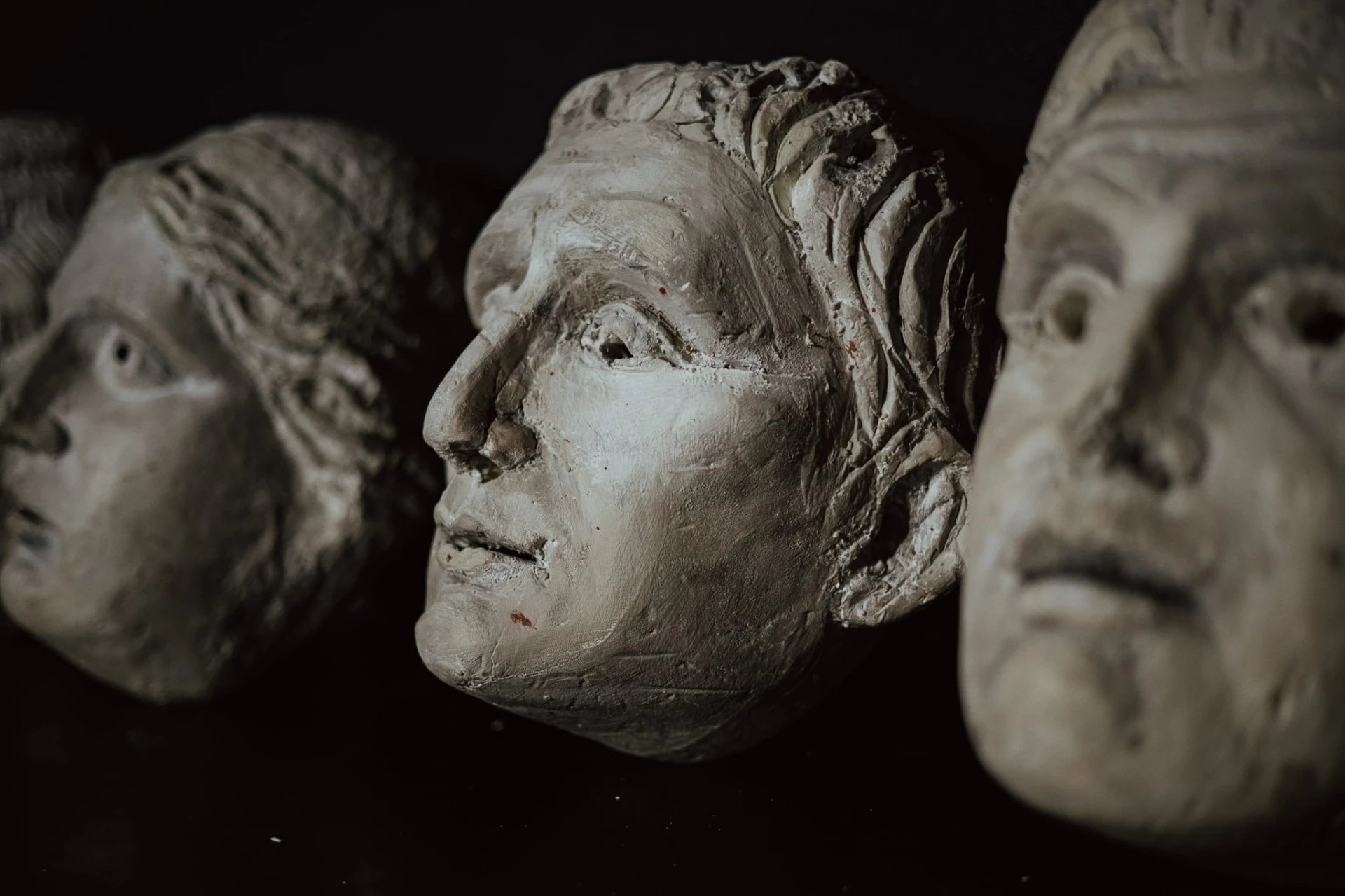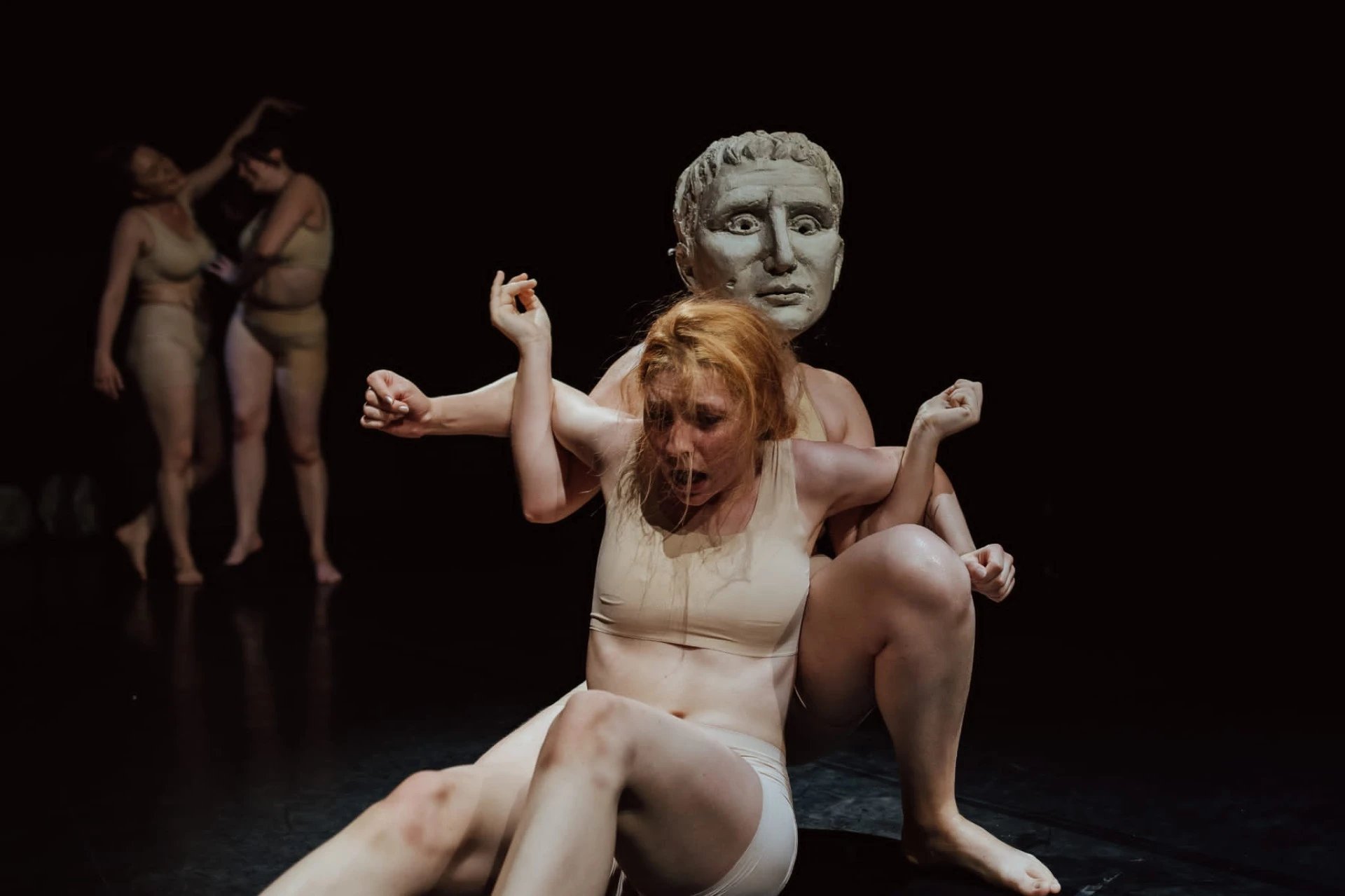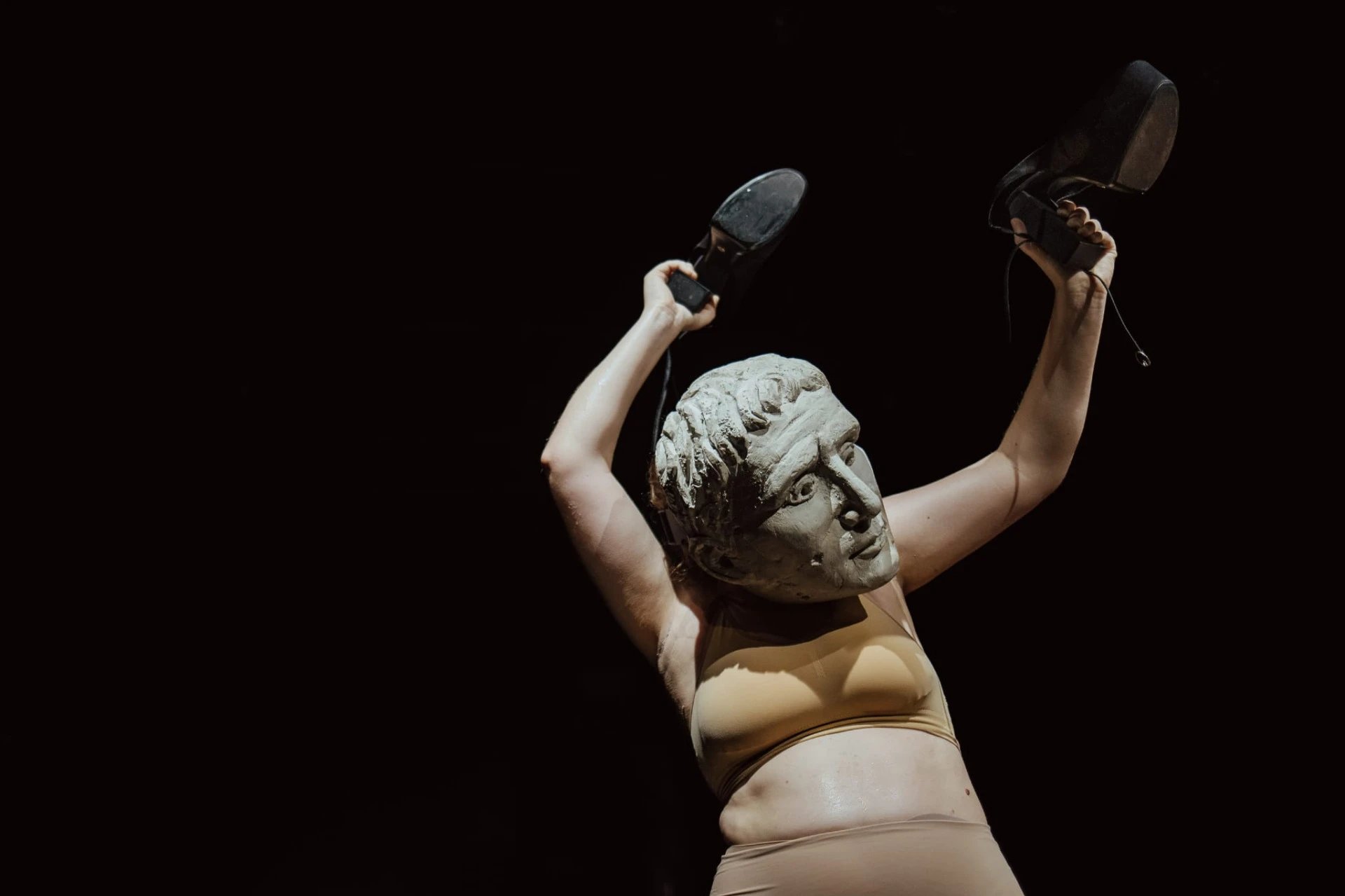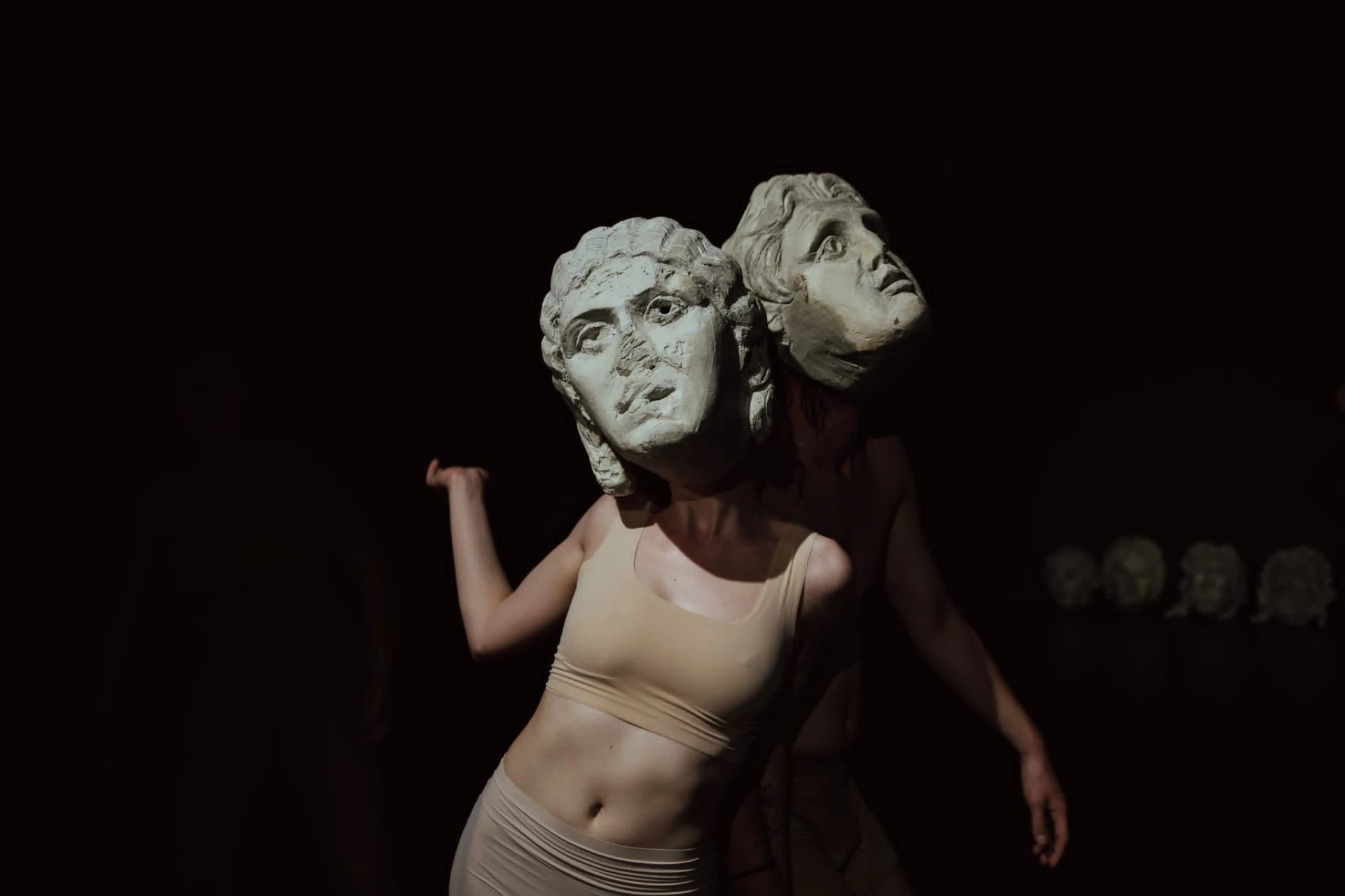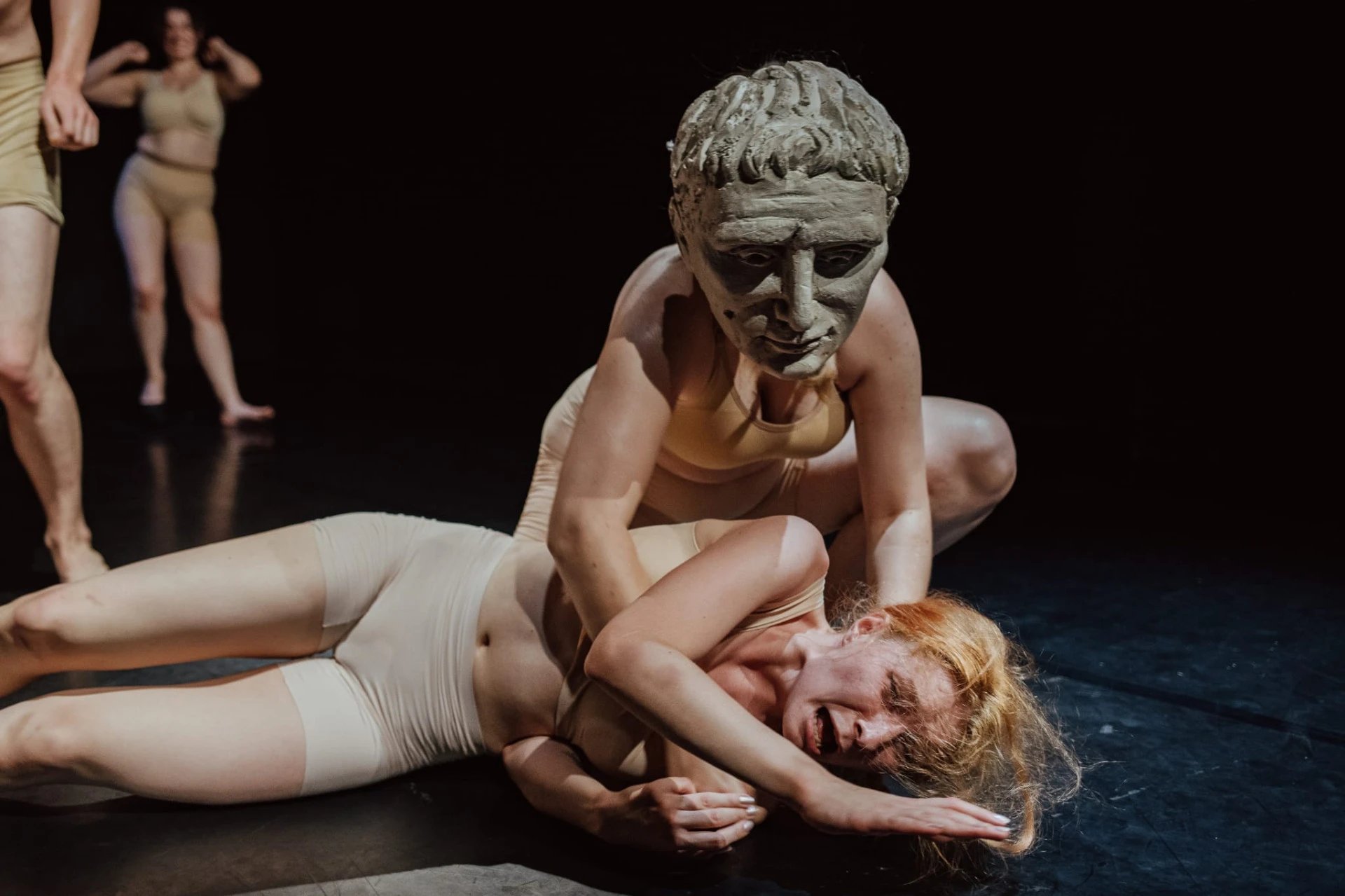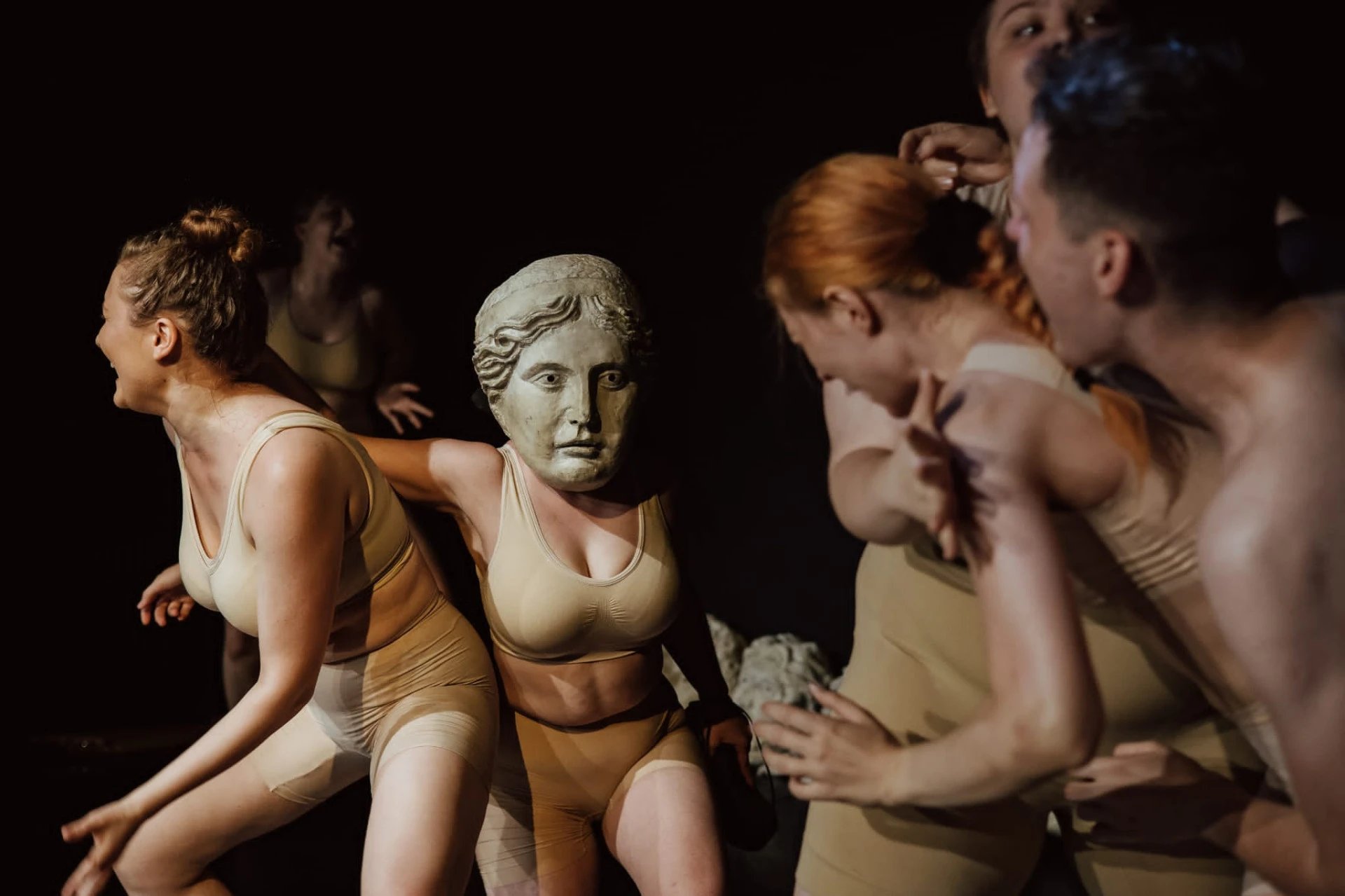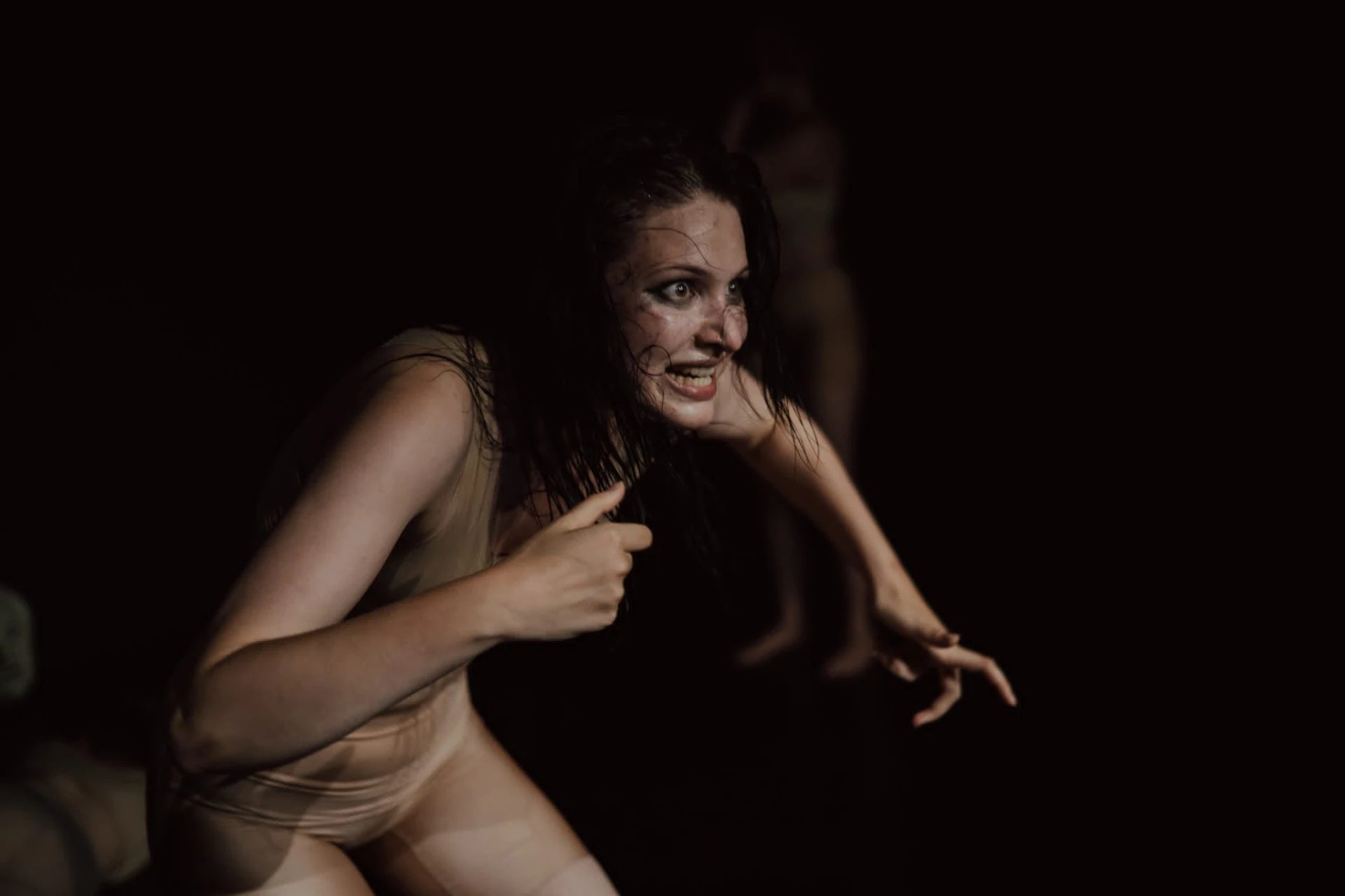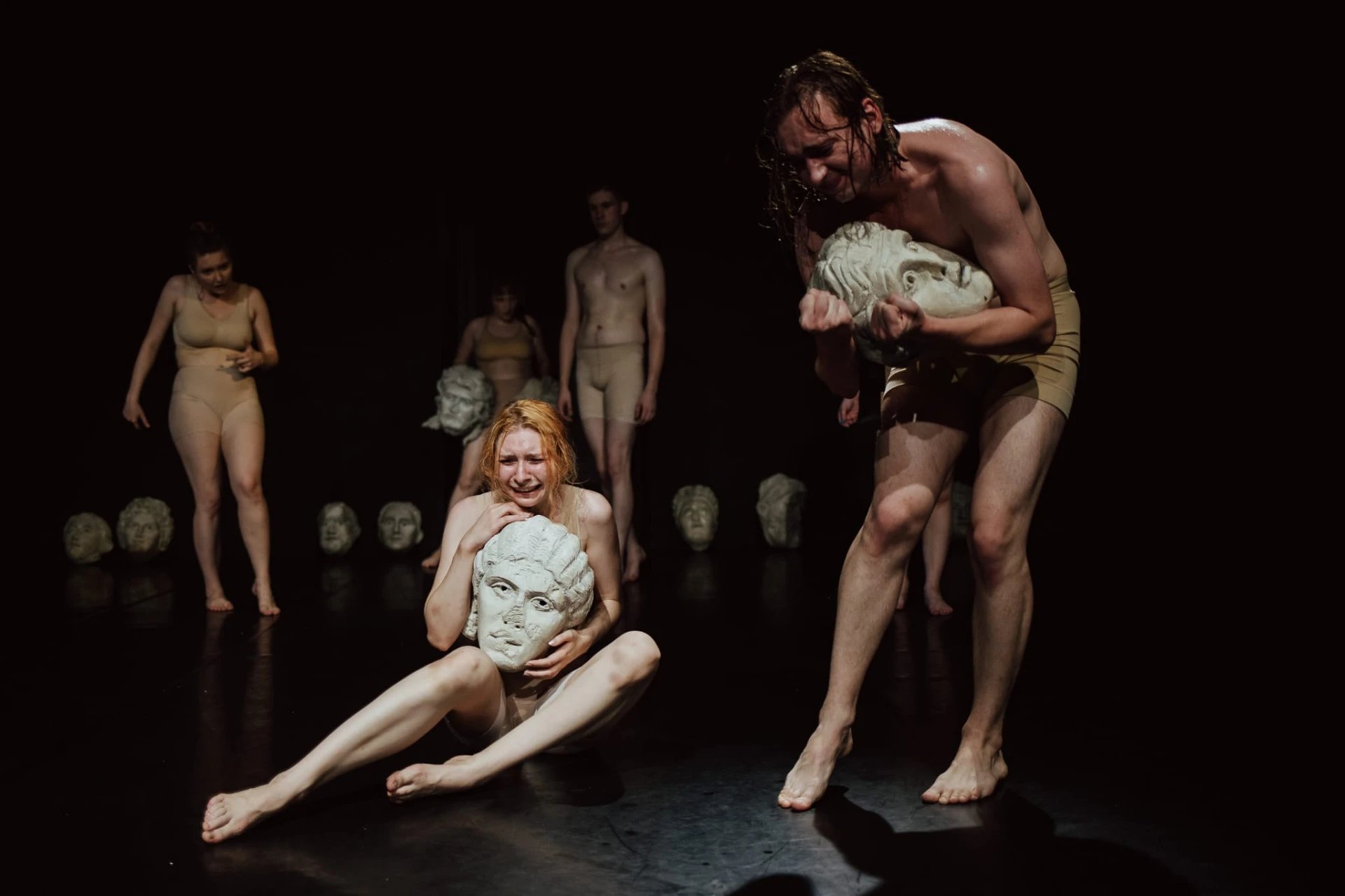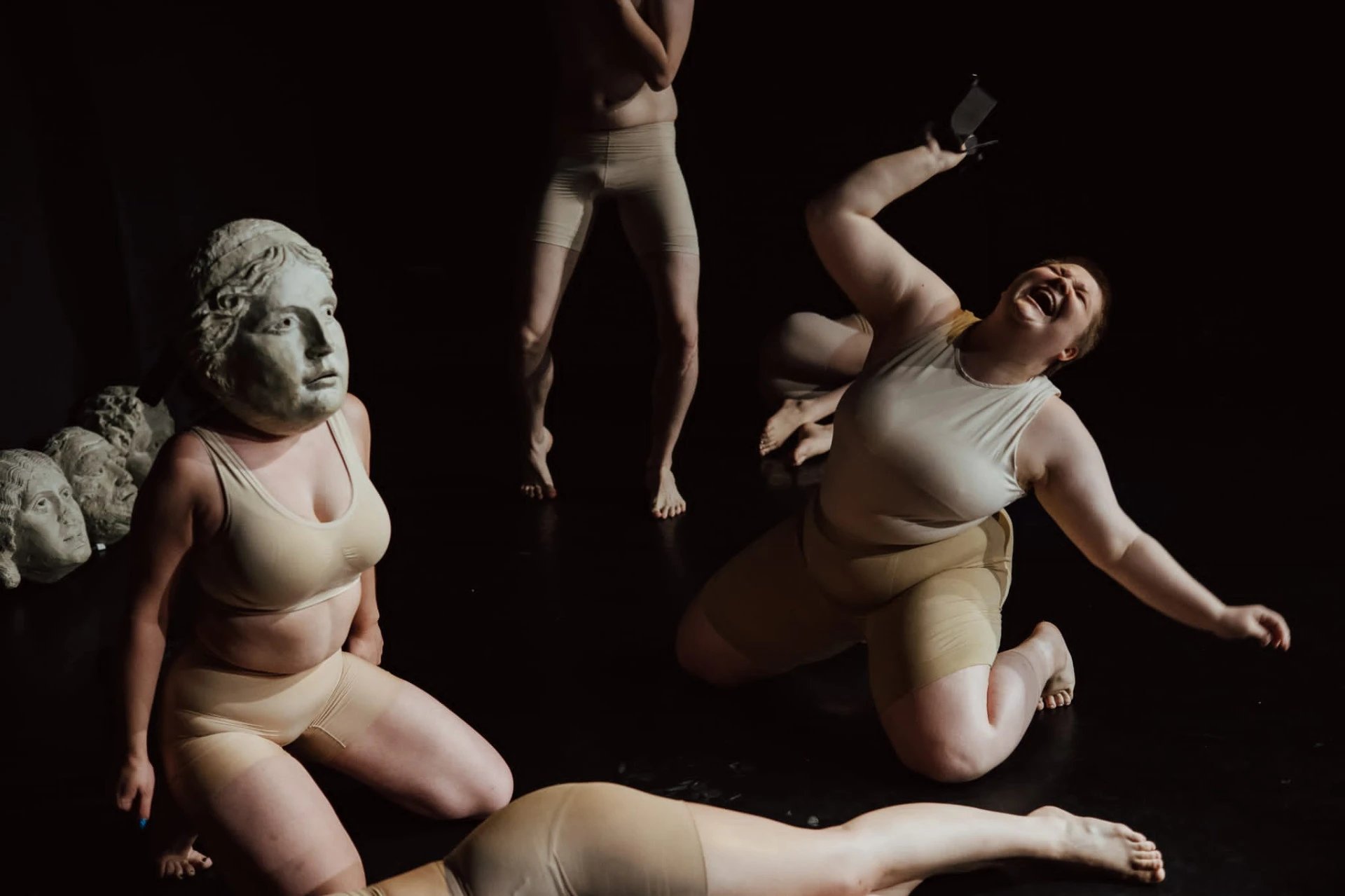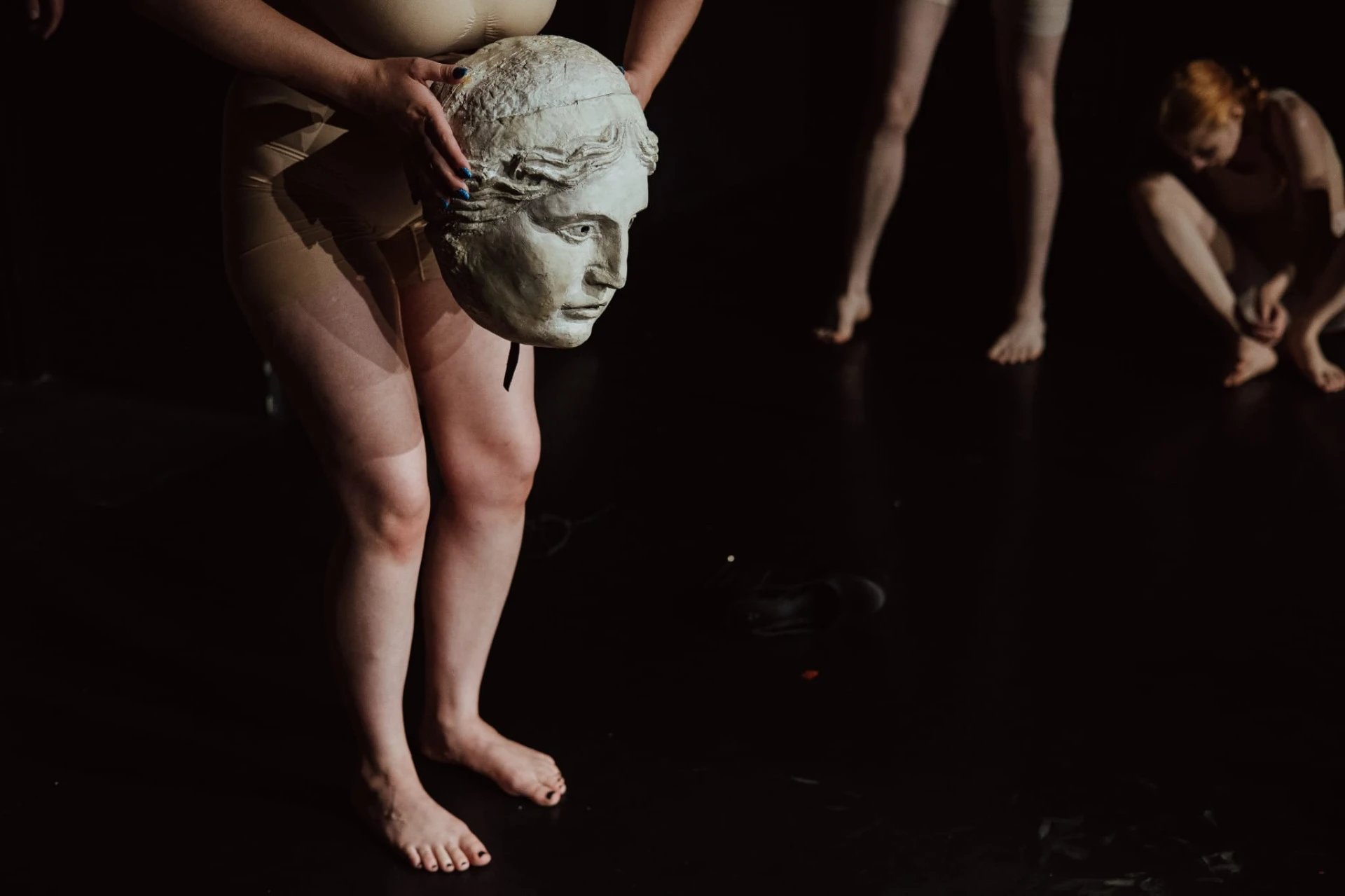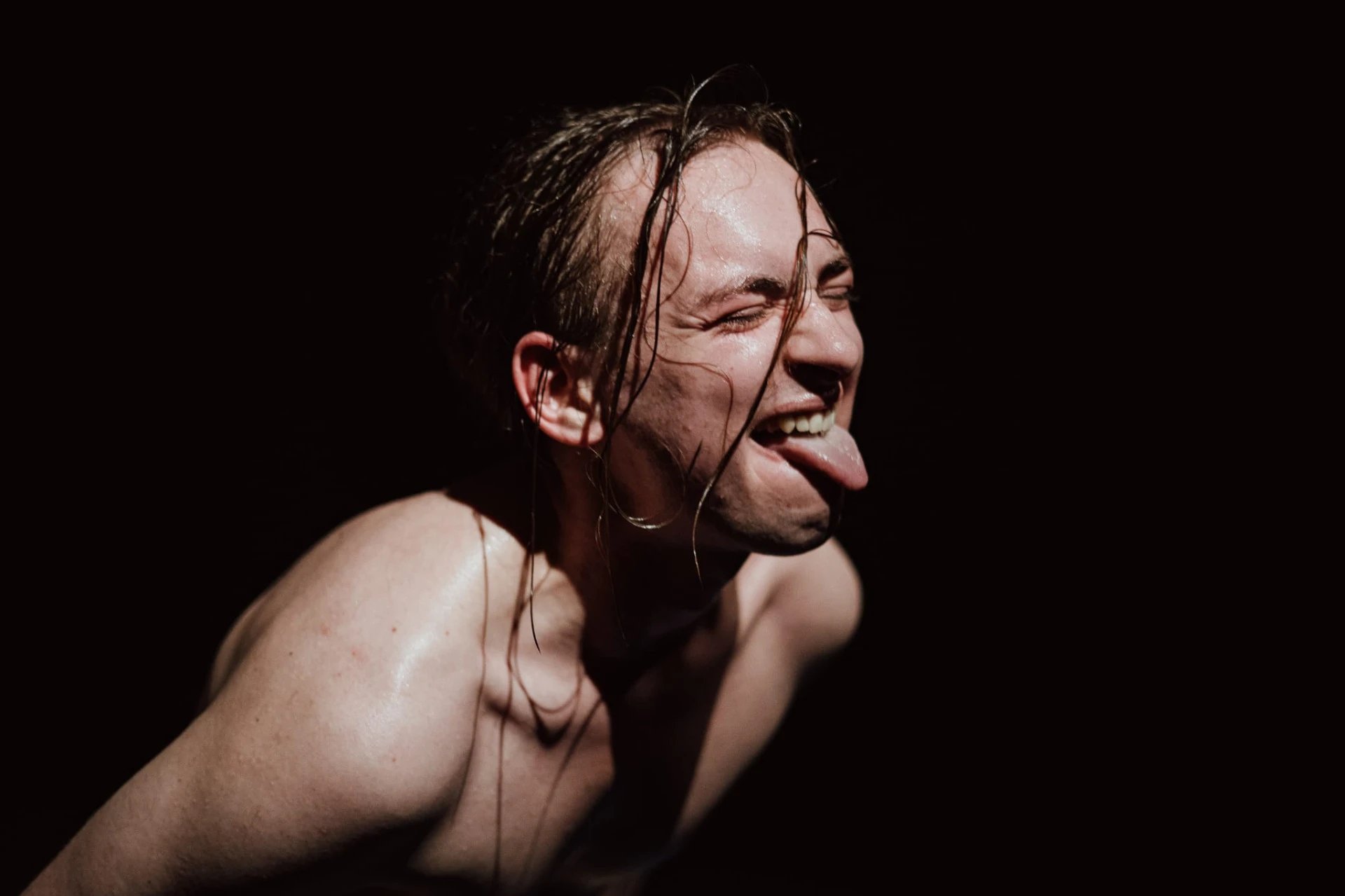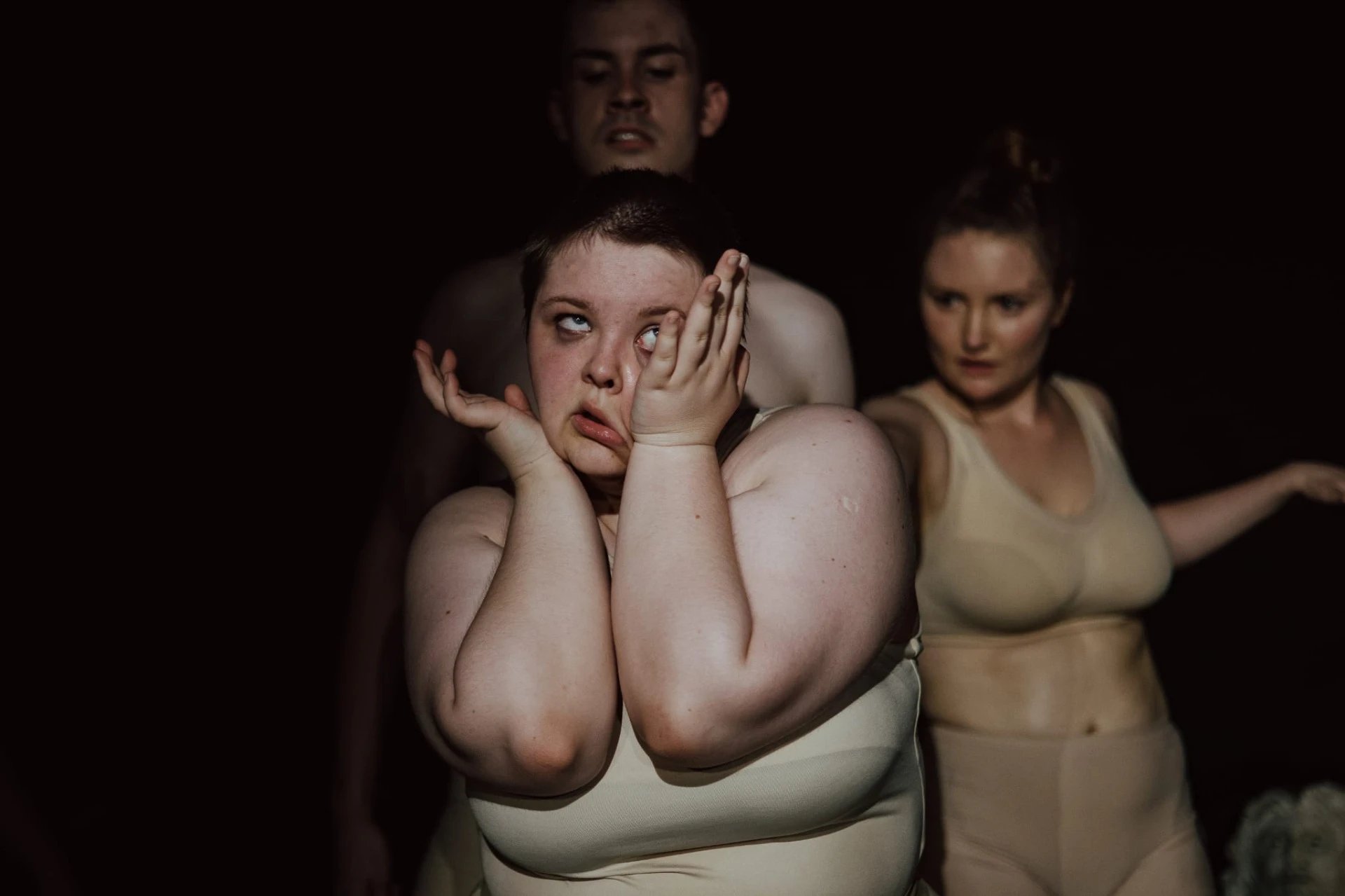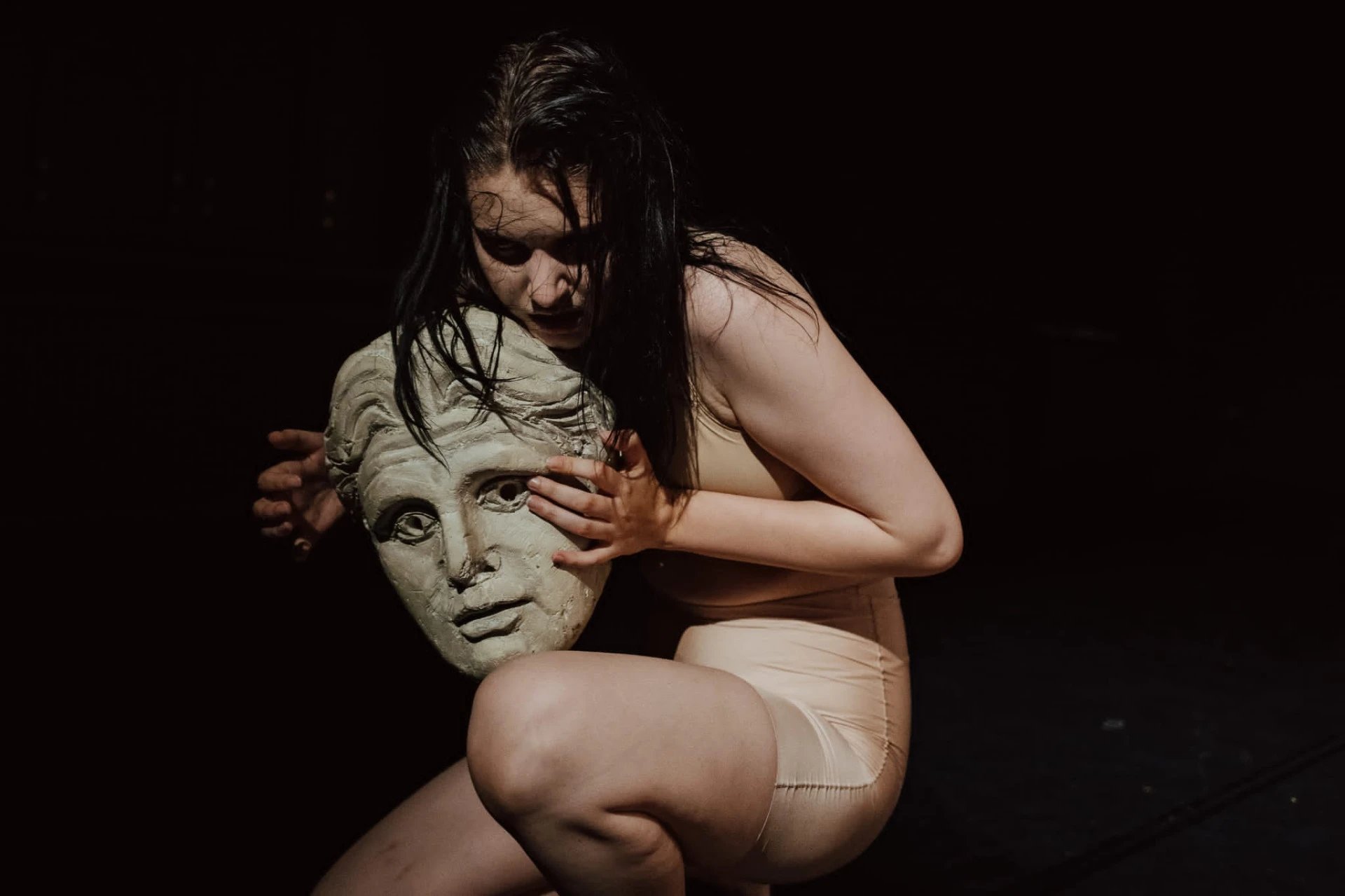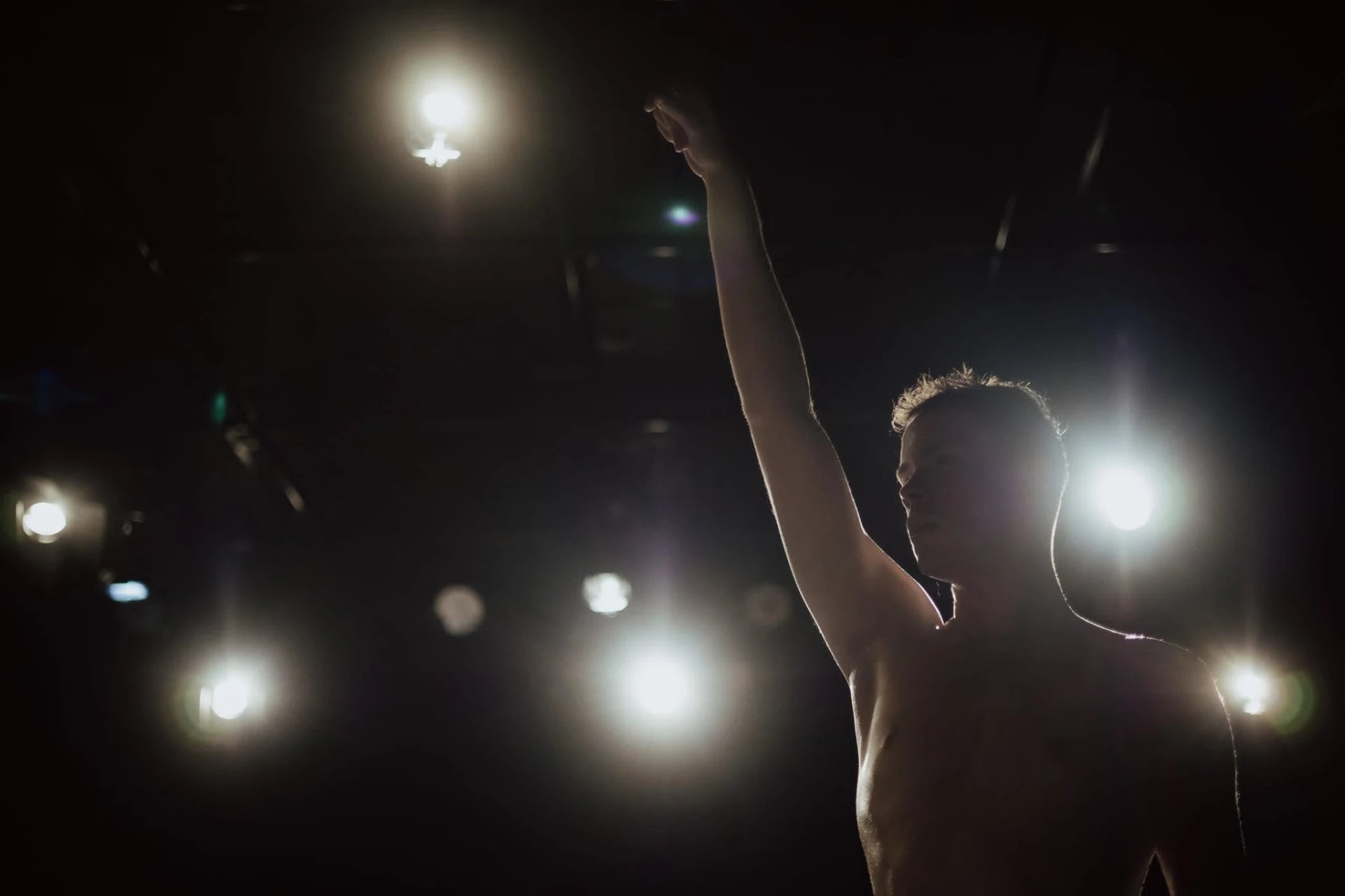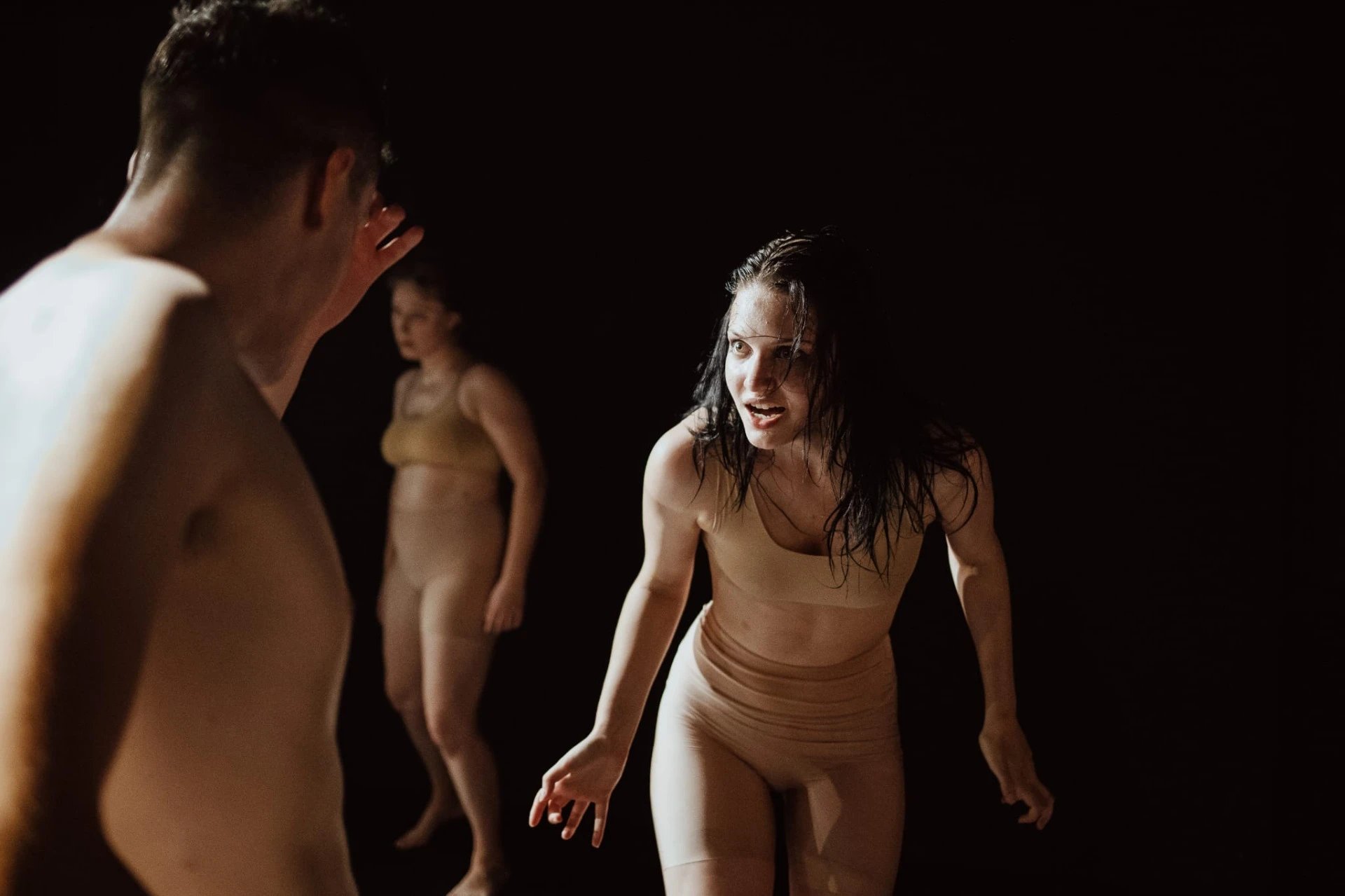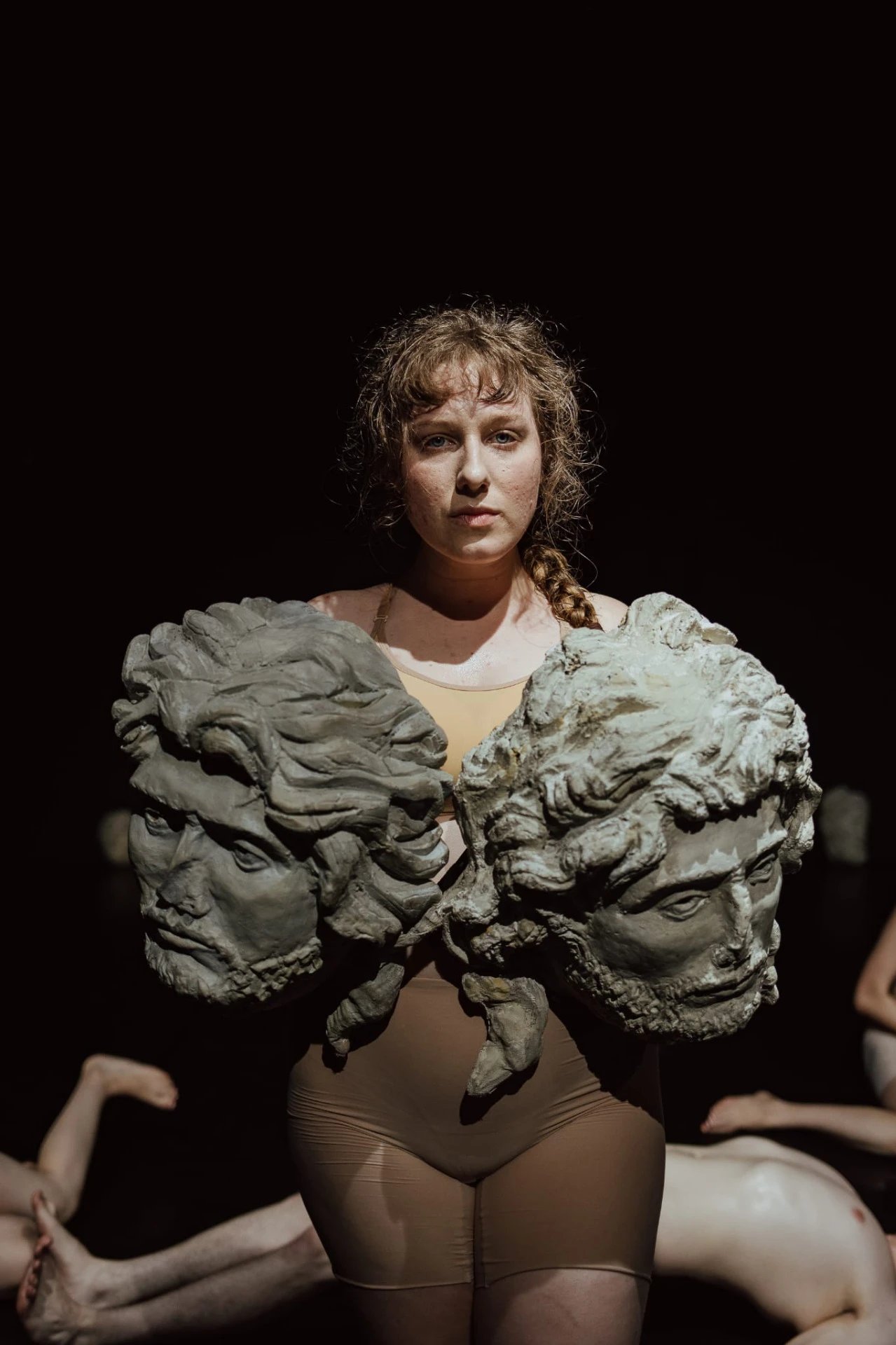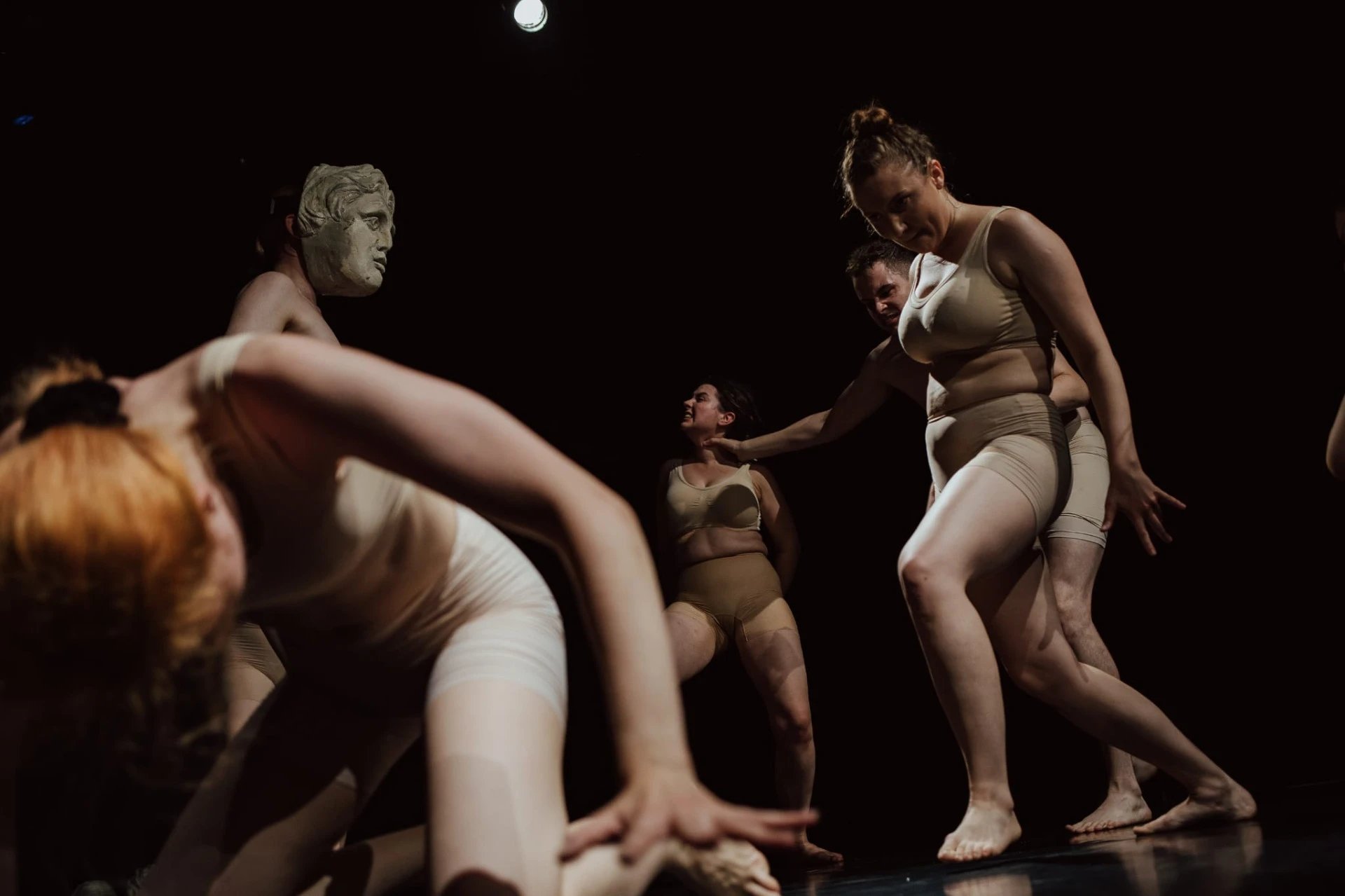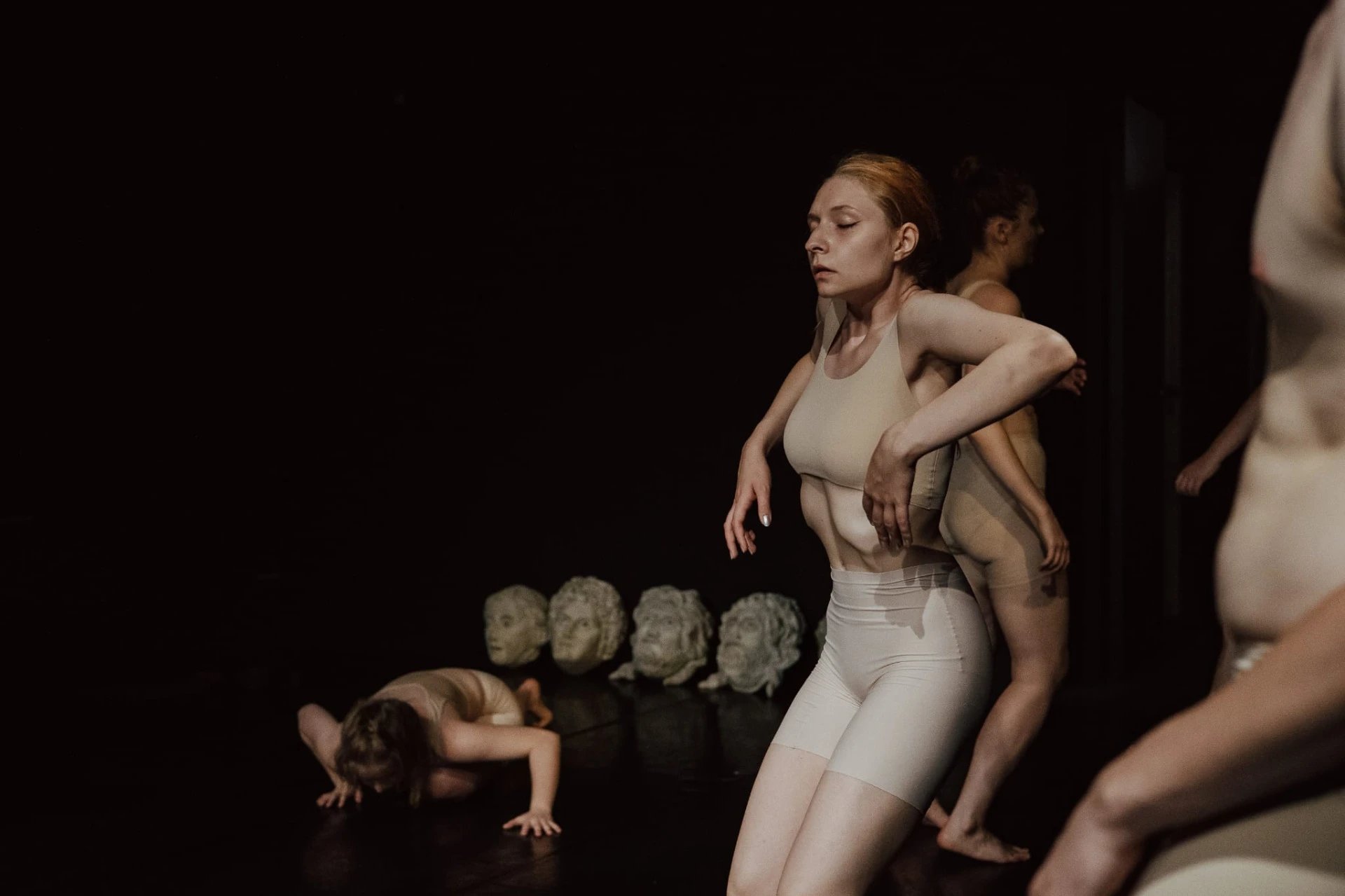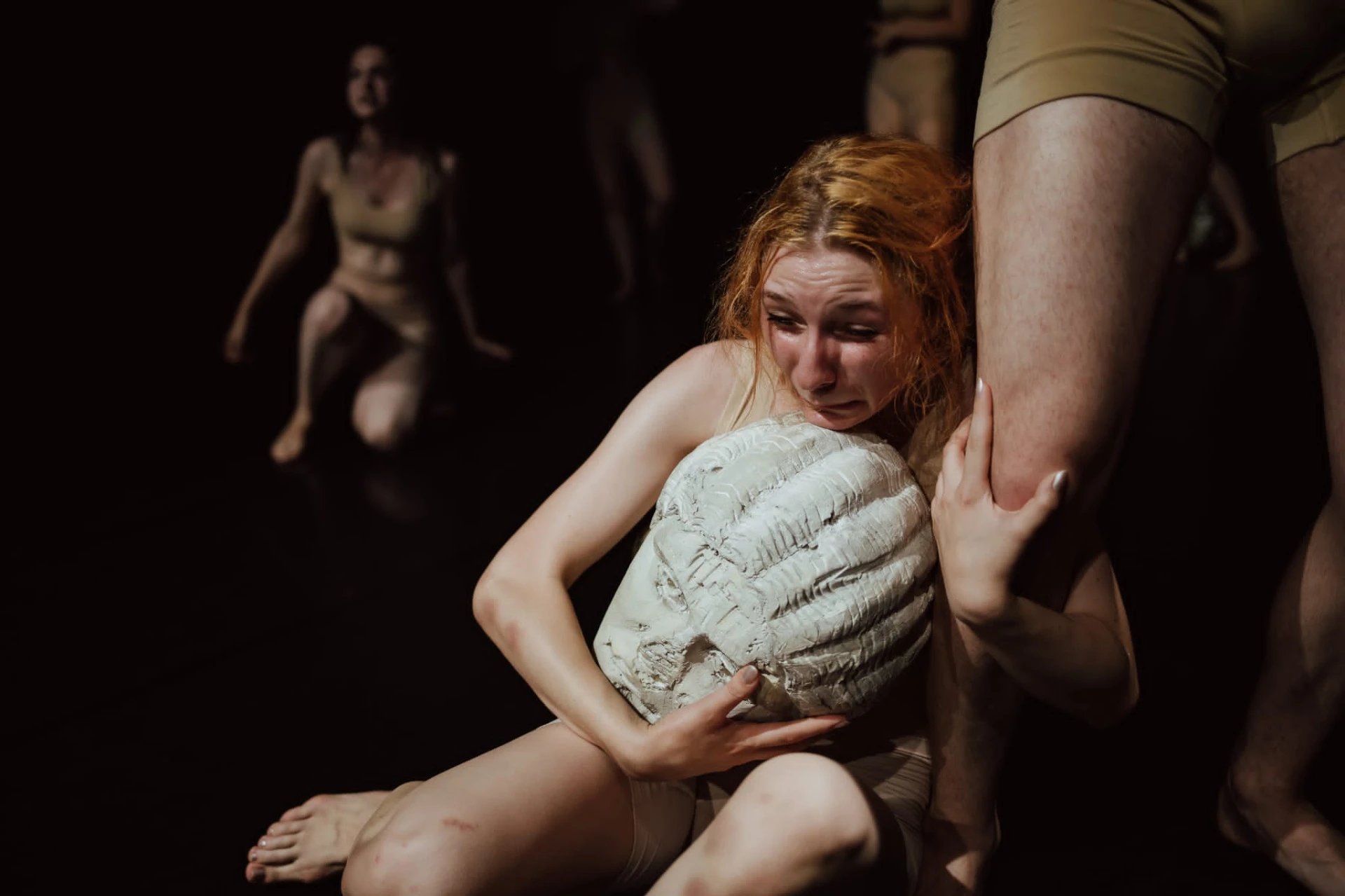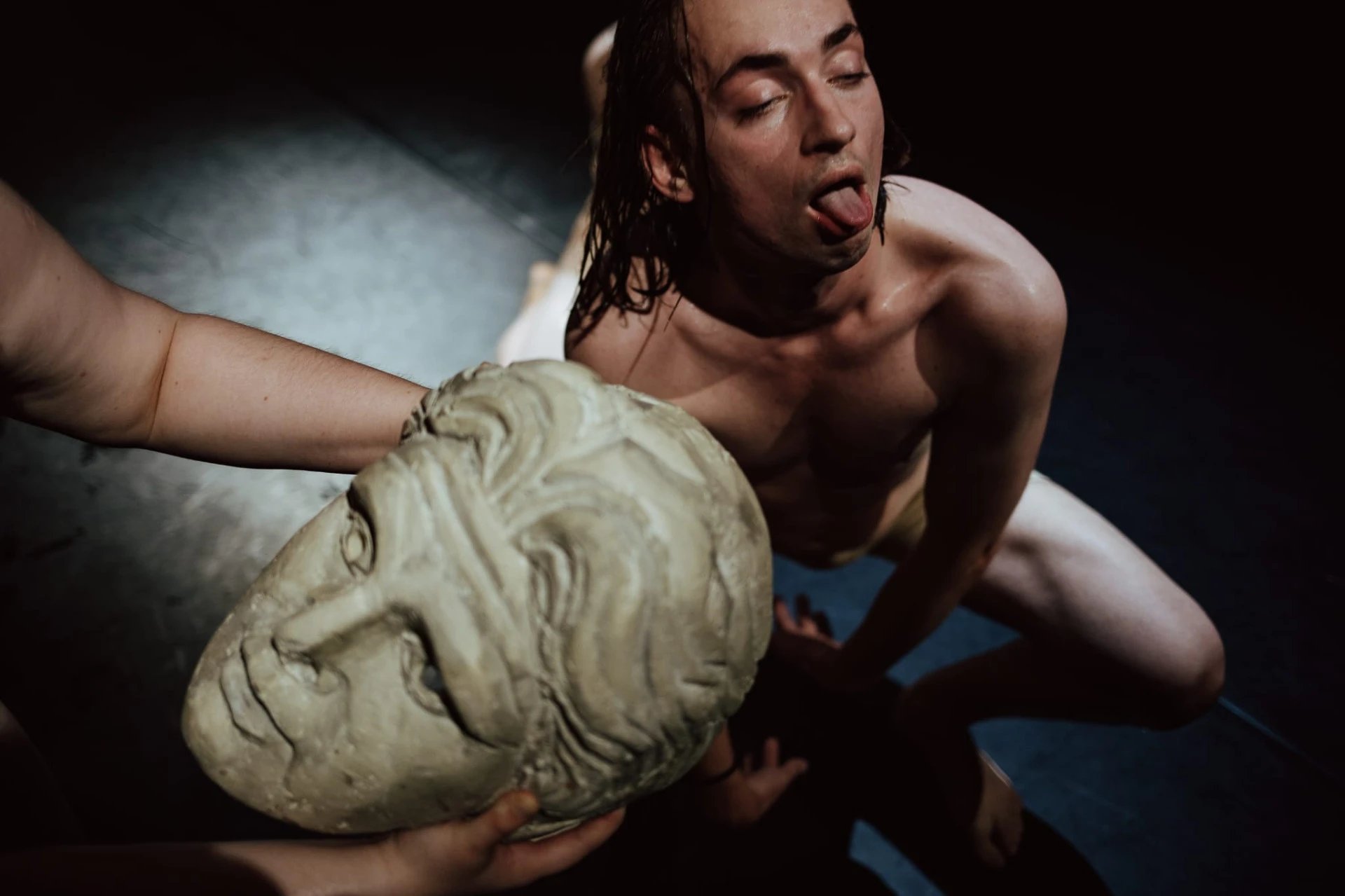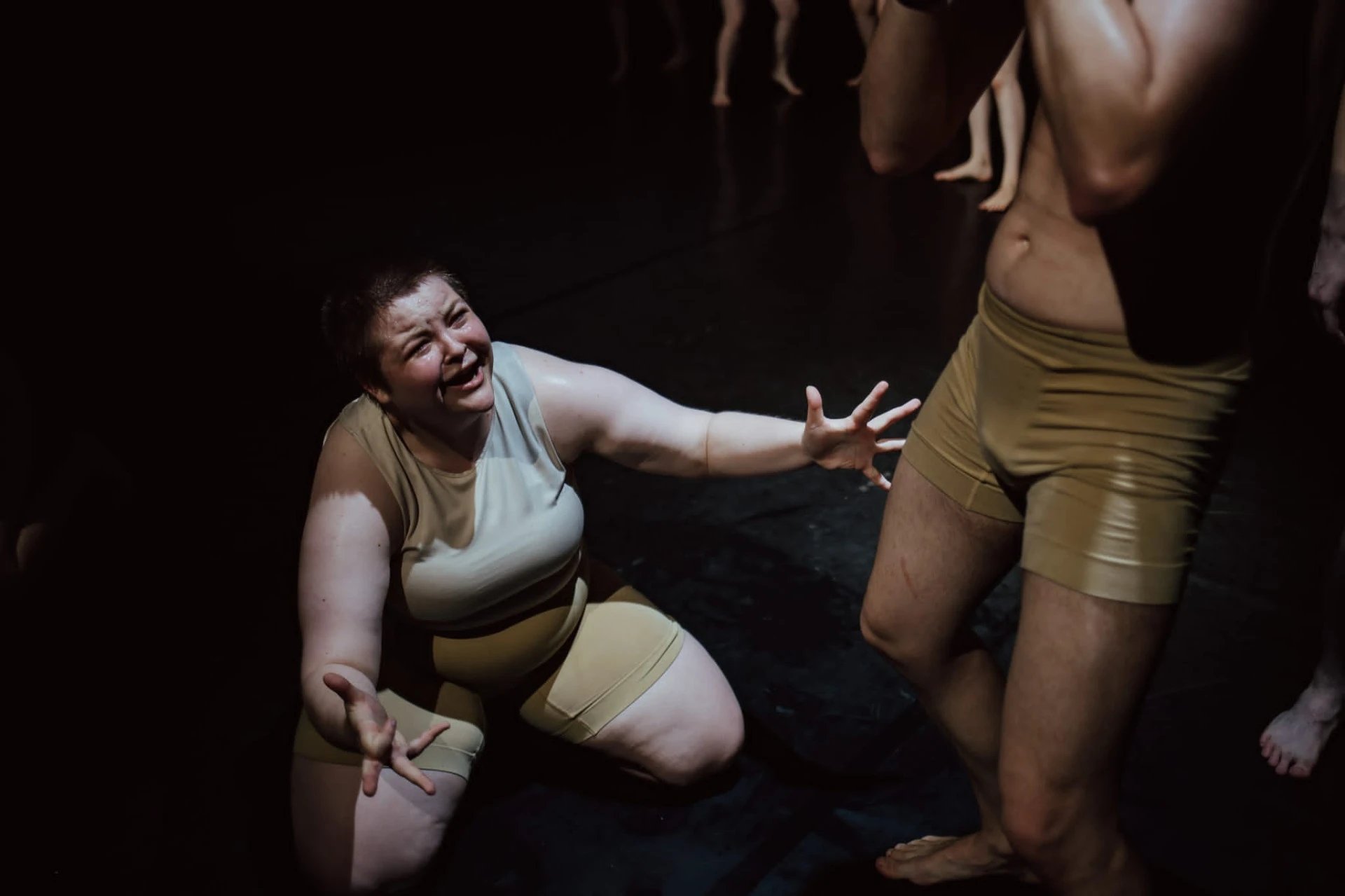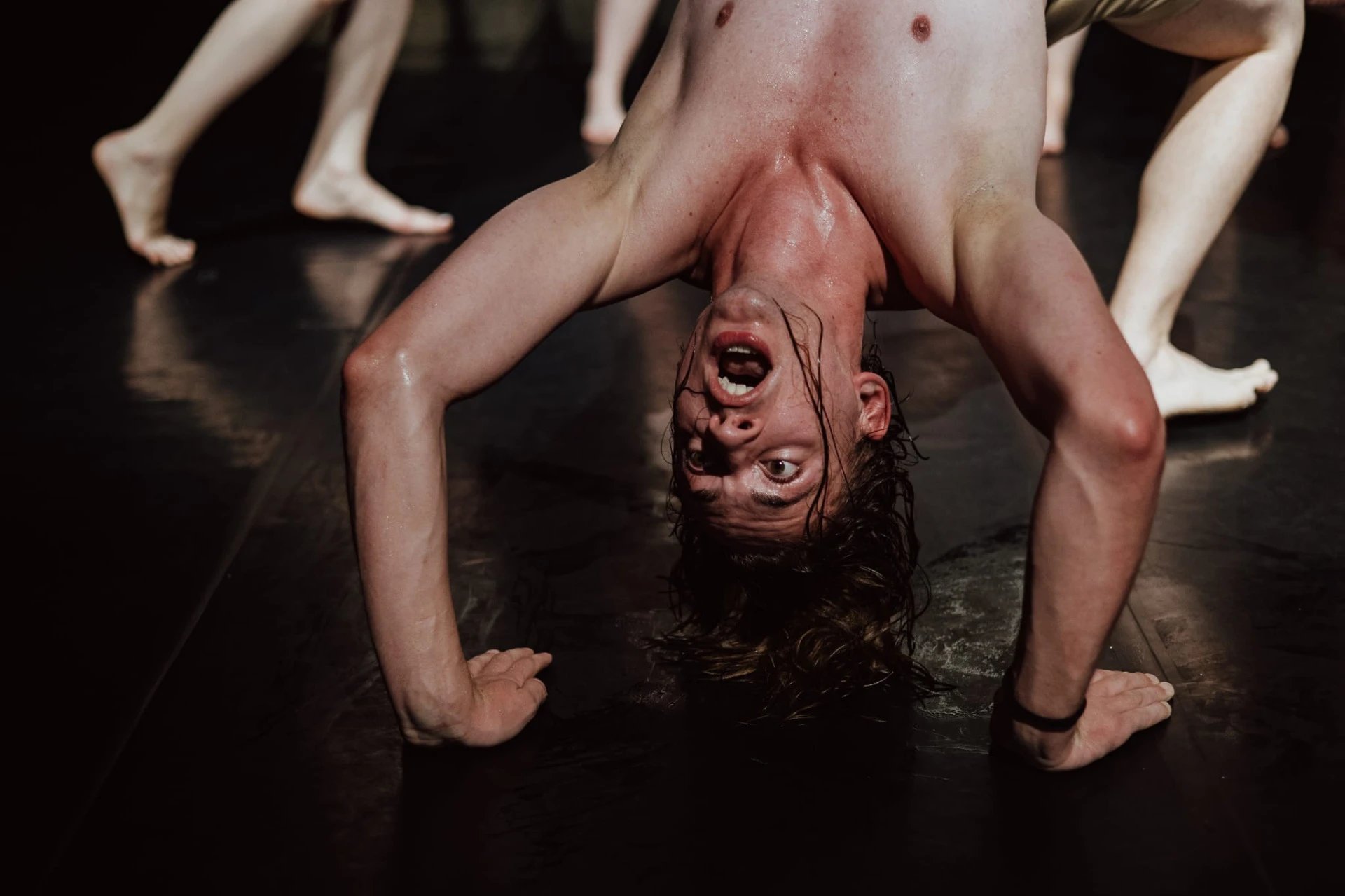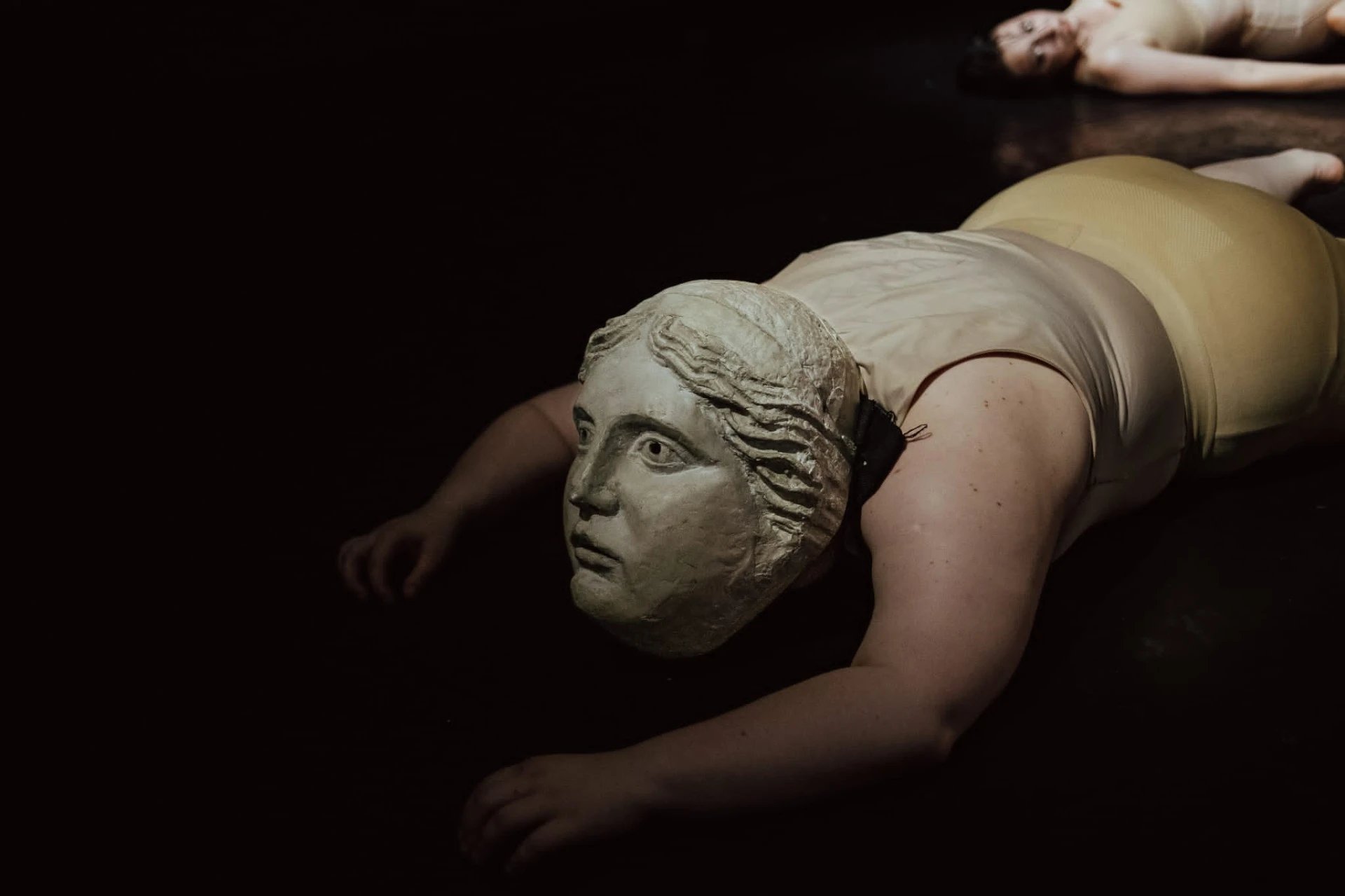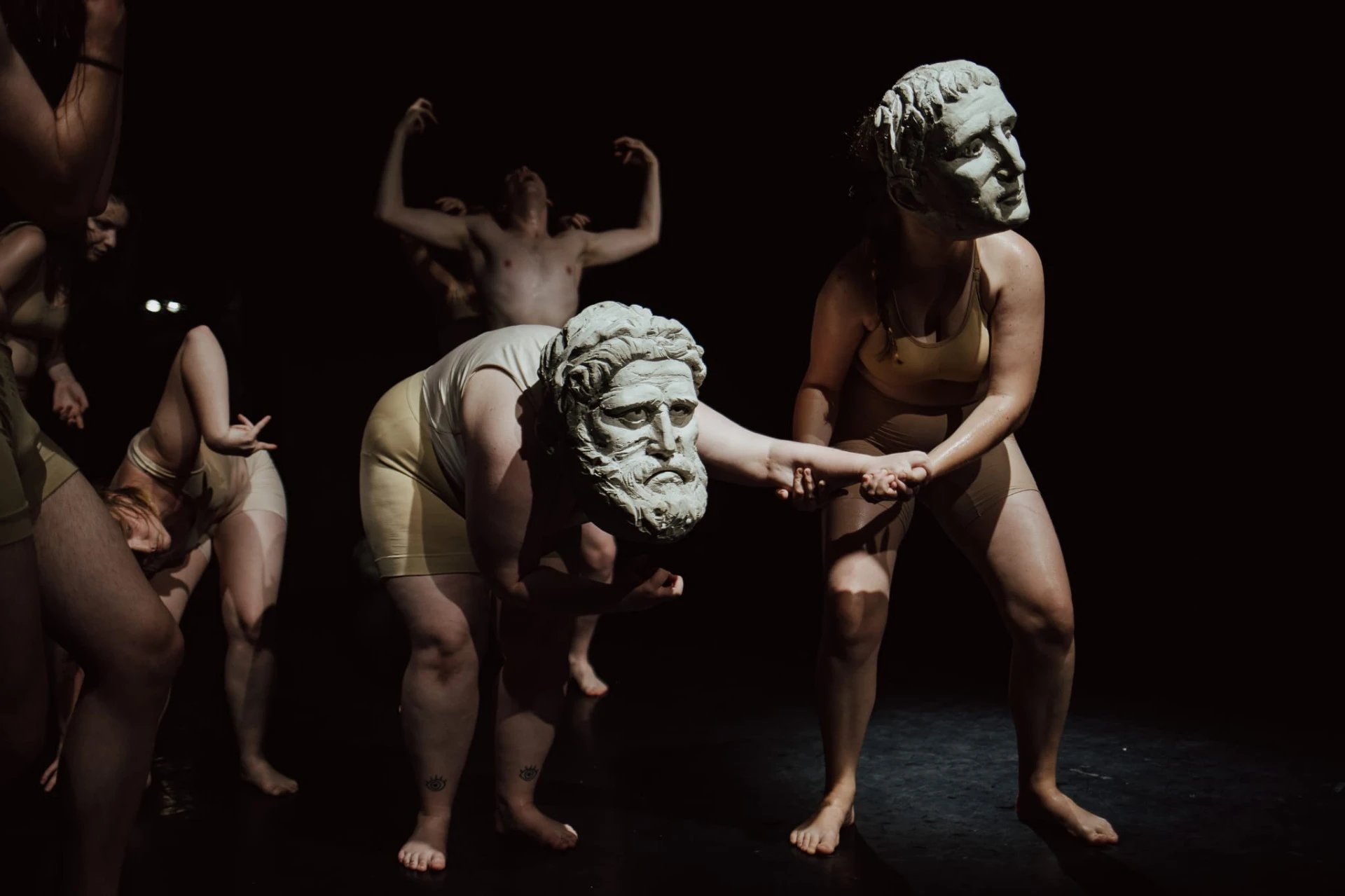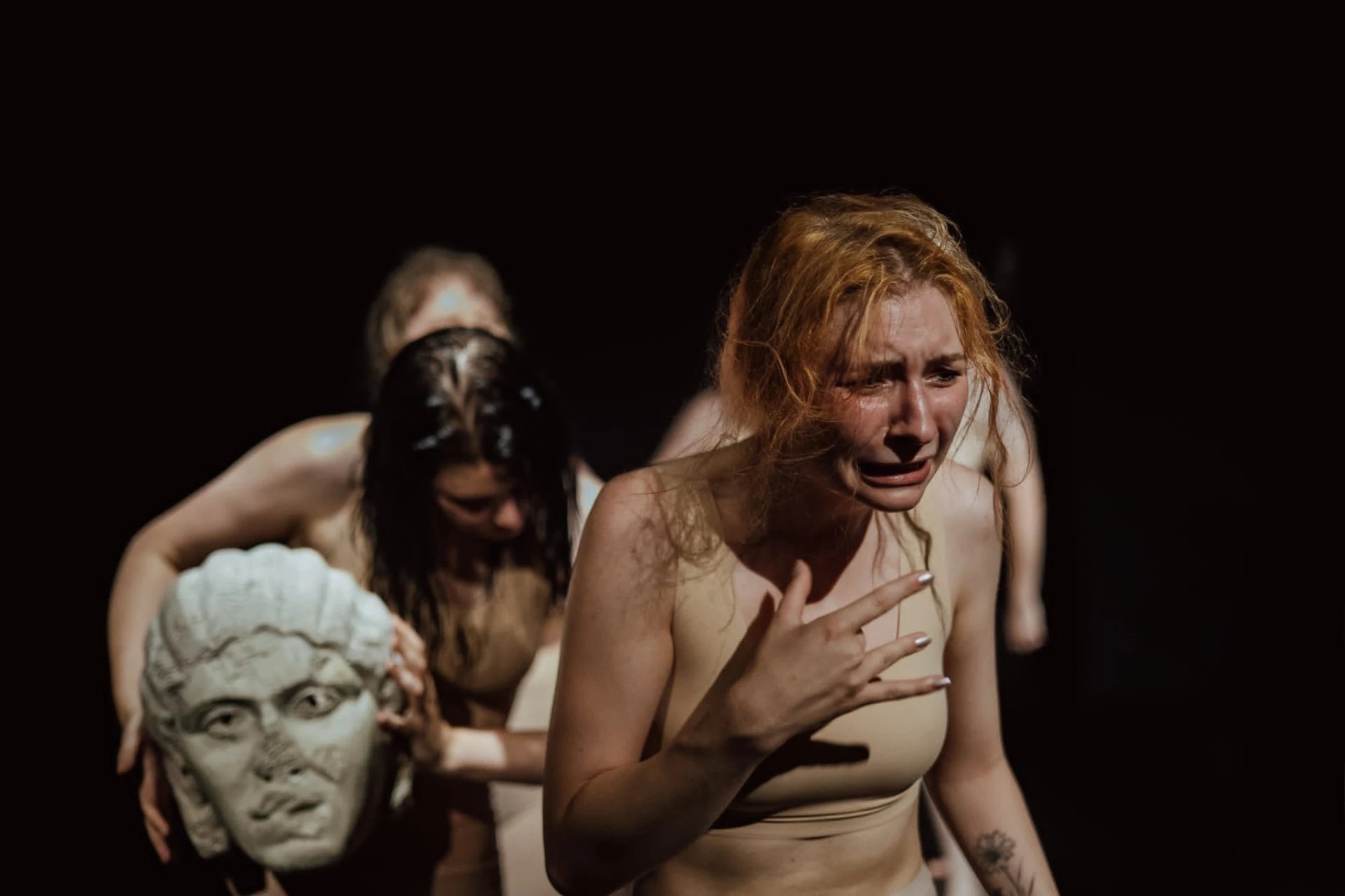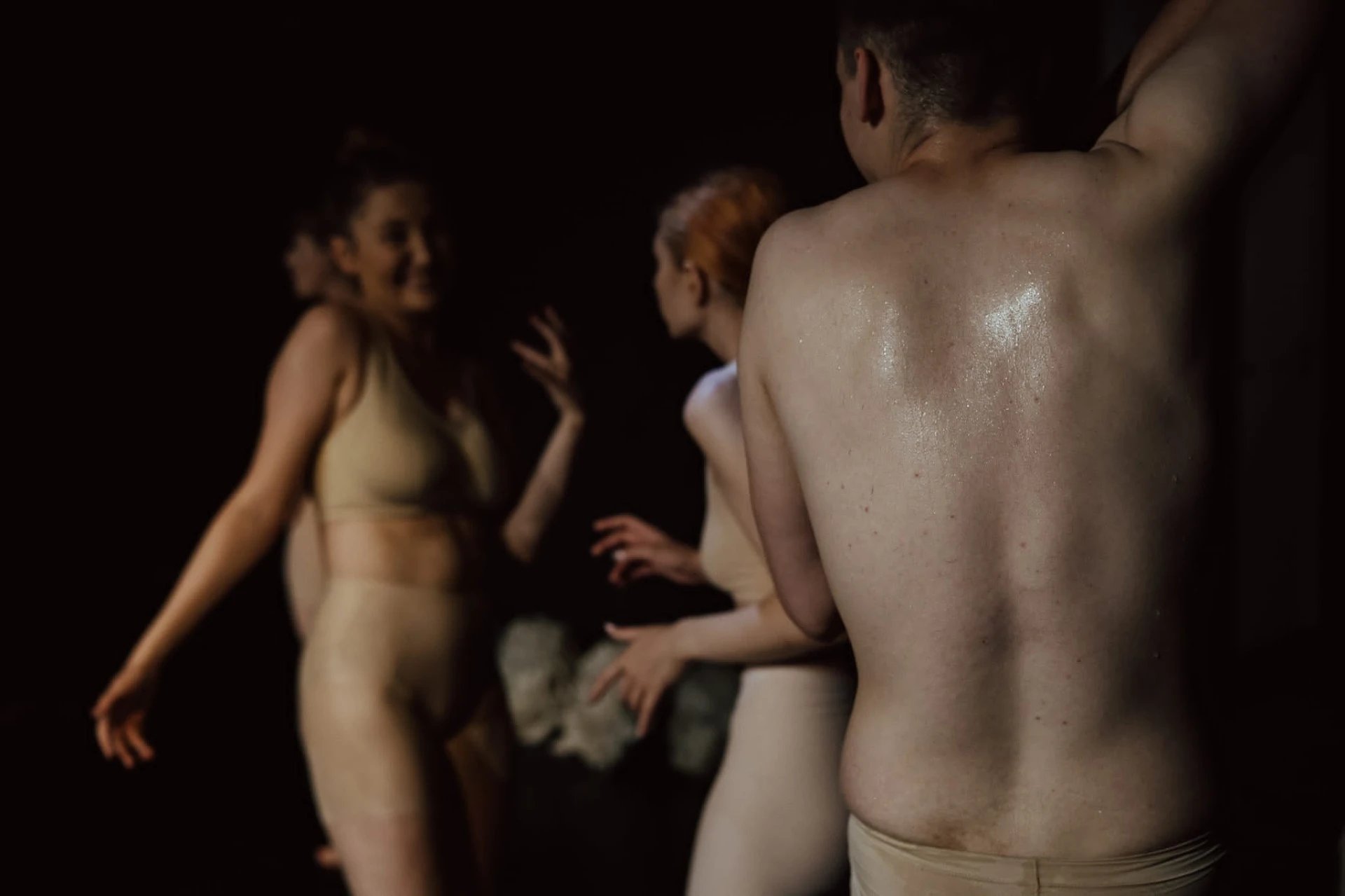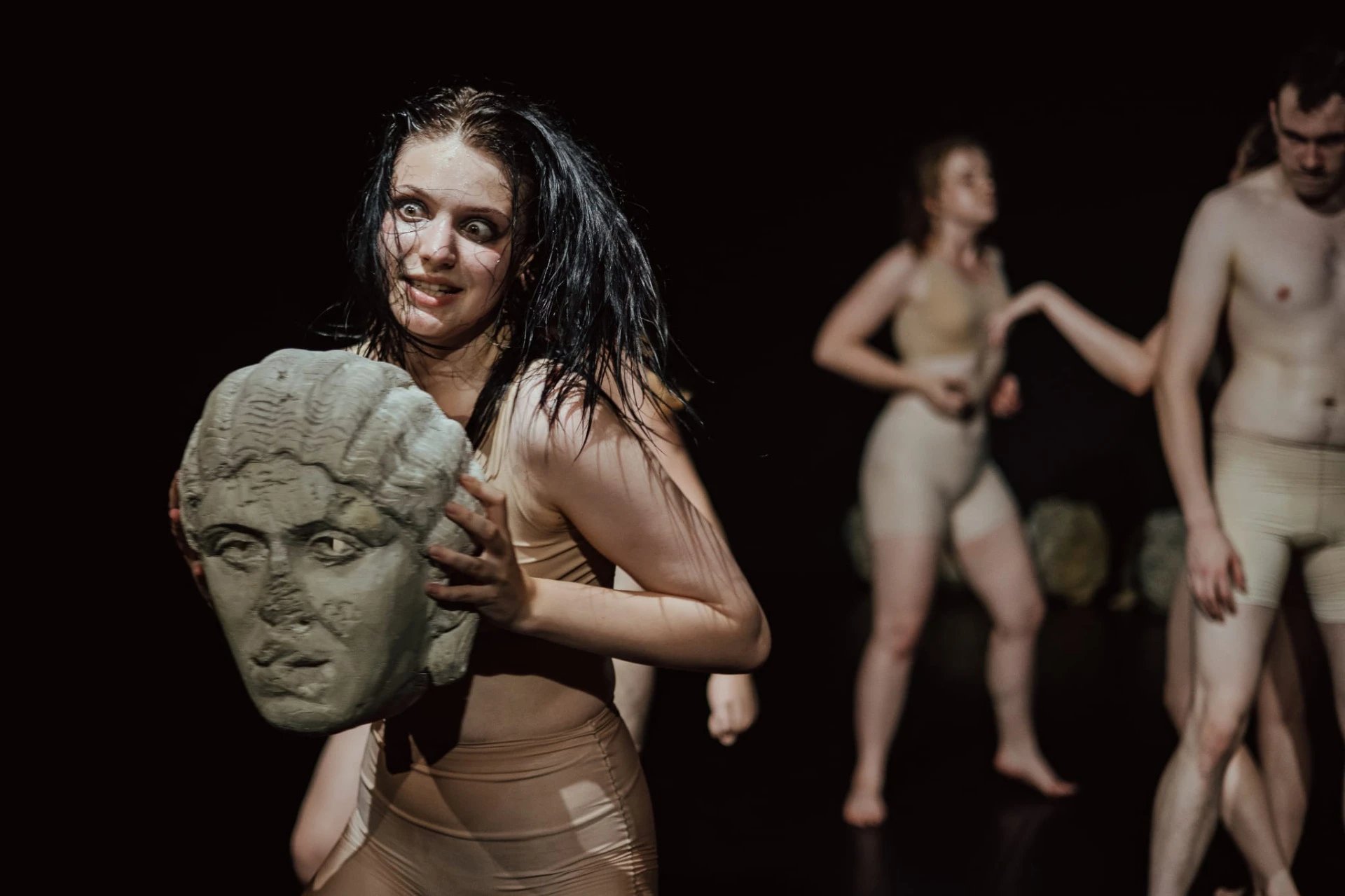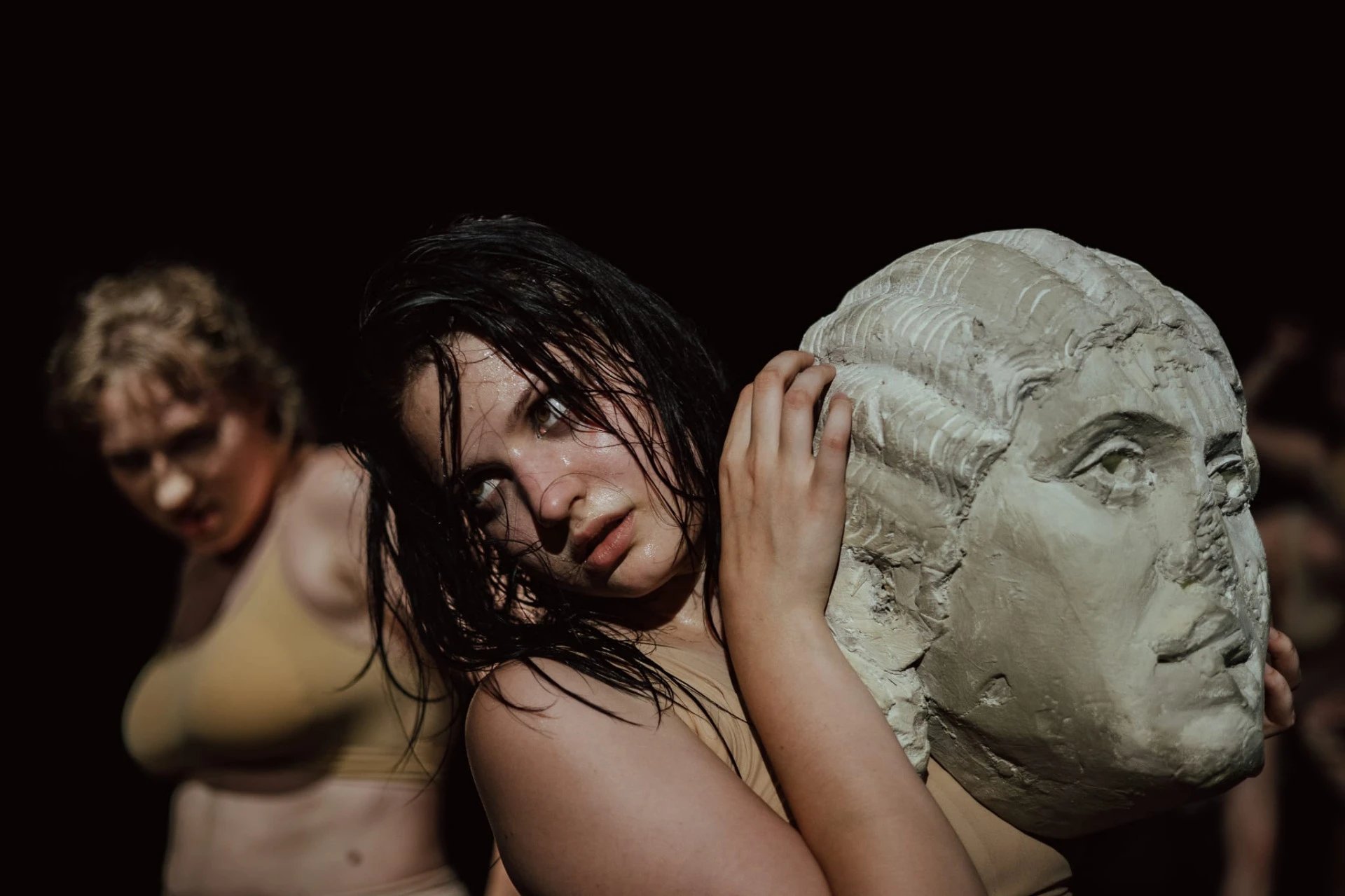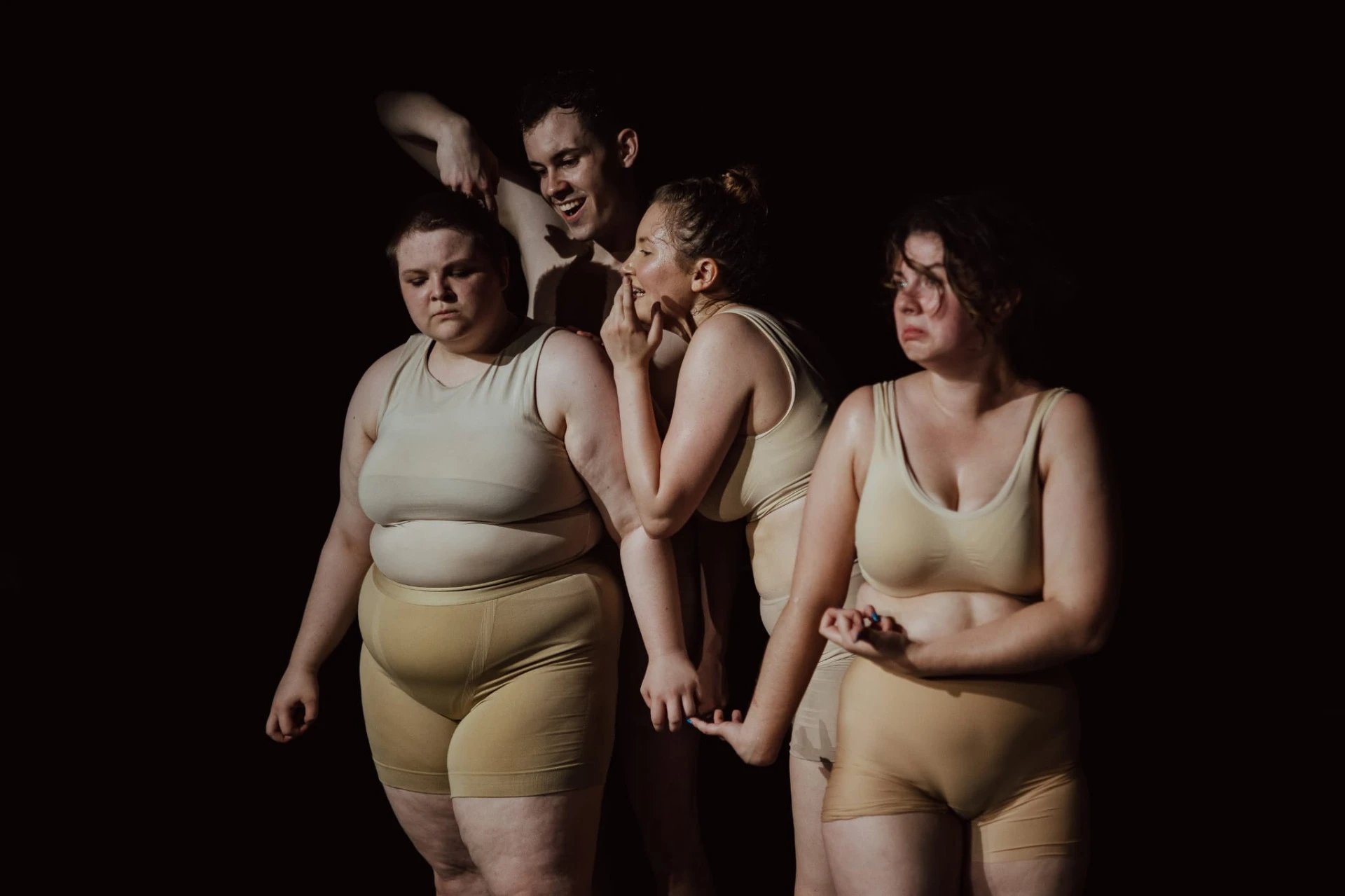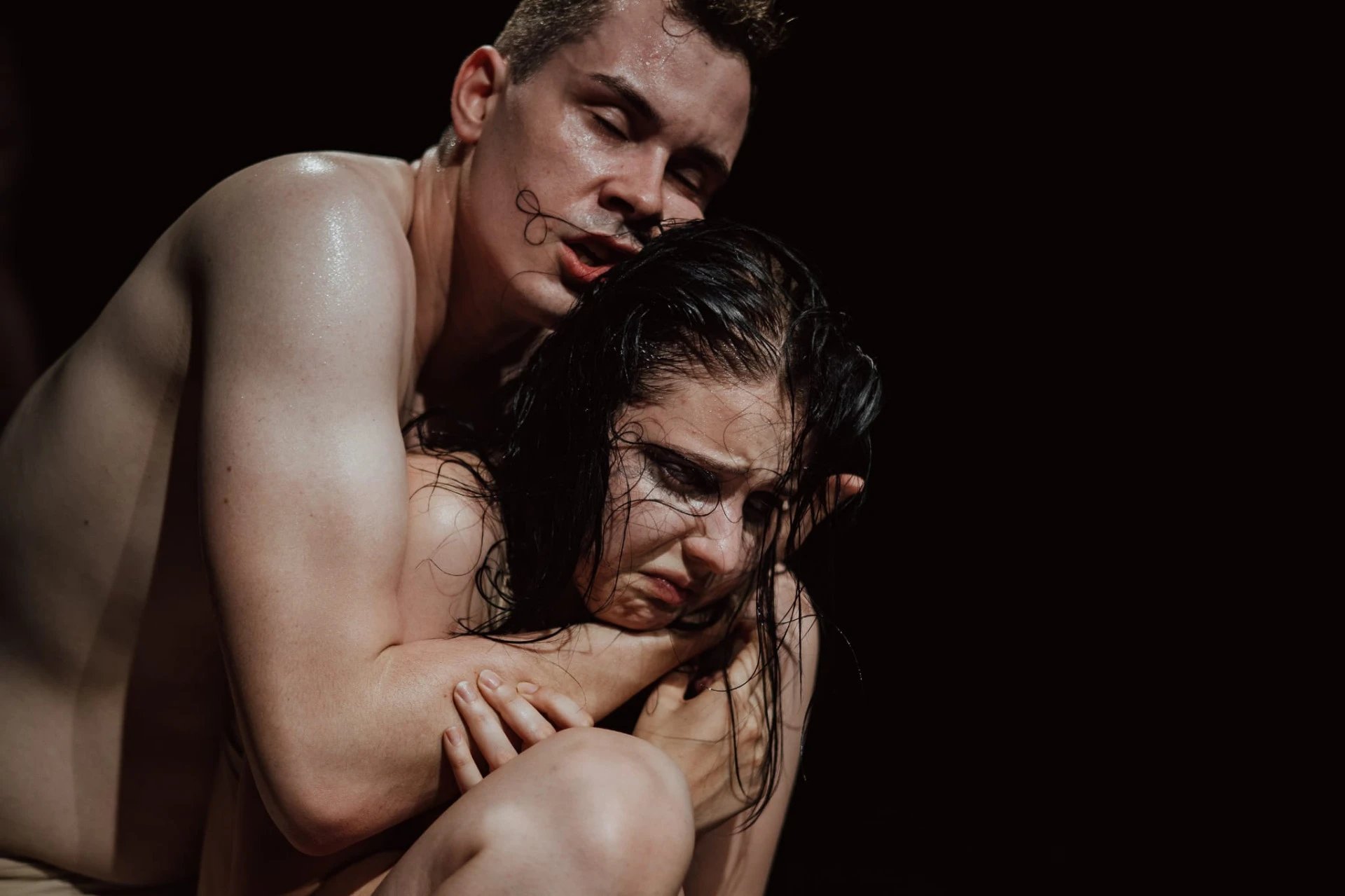
The experimental performance – Ash, presented by the Entheos group, is based on Euripides’ Iphigenia in Aulis, “Electra” and “Orestes” and is a part of the neTTheatre’s (Theatre in the Web) artistic research project Dynamics of Metamorphosis. The sacrifice of Iphigenia (the daughter of the chieftain Agamemnon) leads to a series of tragic events: the murder of the father by the mother, the murder of the mother by her son, the madness of the brother and the fall of the Atreides family – that’s how the gods like to play. Through the radical body and voice expression derived from ancient acting practices and Japanese butoh dance, the young theatre scholars push the boundaries of participant observation. Quoting the Hijikata himself: “You can’t understand anything until you start dancing”. In 2017, as part of the project ‘Dynamics of Metamorphosis’, we gave a graduation performance at the State Higher School of Theatre in Krakow, Wrocław branch, ‘Now All Souls Together’, where we filmed the rehearsals and the whole working process. The premiere of the film covering the methods of working in the actor’s profession will take place alongside the premiere of the student performance ‘Ash’. Every crime, violence, and wrongdoing leaves something behind—a splinter of suffering, a piece of darkness that will stay in our bloodstream forever. No matter how many transformations and changes one goes through, It never diminishes; instead, it grows with each successive transformation of souls and generations. We carry the crunching debris of the wrongs of our great-grandmothers and great-great-grandfathers at the bottom of our bodies, brought there by our Tantals and Cadmos, like Elektra, who carries the bodies of Clitaimestra’s dead children on her back, and the hands of the mother-killing Orestes already dirty with Iphigenia’s blood. The butoh dance is a search through the debris, a close examination of the darkness. Without any hope of cleansing it, without directing it towards the light. It is merely giving it space and a voice. The three ancient actors of Greek tragedy, carrying the metamorphoses of successive characters on their bodies, still feel the breath of the bloody sacrificial ritual on their necks, after which they took their places. Suffering, crime, and injustice are reflected in the infinite mirrors of the successive masks of the characters from the stories told repeatedly. The complexity of the human experiences makes it difficult to find a single source or answer to questions about suffering and evil. Agamemnon carries the curse of Tantalus, Clytemnestra marries the murderer of her own children, Iphigenia, with her soul slain by her father’s pride, makes bloody sacrifices of all the Greeks who come to her shores. Elektra kills her mother to free her life from Clitajmestra’s suffering, causing her darkness to grow rather than diminish. The infant watching her sister die at the bottom of Orestes’ raging body must get through everything from Agamemnon’s crime to Clitajmestra’s murder to Elektra’s and Erynia’s mother’s hatred. Apollo won’t be able to put out the burning fire of burned down Troy within him ever again. The machinery of ancient tragedy is airtight, and one cannot escape it. Despite going through various transformations and changes of the mask, the three actors always remain trapped within the tight cogs of the sacrificial ritual: the first to kill and hurt, the second to lament helplessly, and the third to be killed. The remaining residue of the ritualistic need to witness suffering, embedded in the most profound structure of tragedy, is a call from the depths of body and time. The essence of gazing into darkness for so long until it begins to stare back at us and invites us to dance.
The event is organised within the Art Spaces programme, financed by the Ministry of Culture and National Heritage and implemented by the National Institute of Music and Dance and the Zbigniew Raszewski Theatre Institute. The local operator of the programme Art Spaces Lublin is the Centre for Culture in Lublin. The performance was created in collaboration with the Centre for Theatre Practices “Gardzienice”.
- Director’s supervision: Aleksandra Konarska, Paweł Passini
- Duration: 320 min
- Iphigenia in Aulis:
- Actor 1 (Agnieszka Guz) Agamemnon, Achilles
- Actor 2 (Julia Tokarczyk) Menelaos, Kiltajmestra
- Actor 3 (Anna Szymczak) Older man, messenger, Iphigenia
- Elektra:
- Actor 1 (Tymoteusz Kurzyński) Orestes, Messenger
- Actor 2 (Alicja Stachulska) Elektra
- Actor 3 (Zofia Kowalska) Farmer, Old man, Clitajmestra, Dioscurus
- Orestes:
- Actor 1 (Bartosz Bednarczyk) Orestes, Messenger
- Actor 2 (Weronika Orawiec) Elektra, Menelaos
- Actor 3 (Kinga Cybul) Helena, Tyndareos, Pylades, Hermione, Phrygian, Apollo